The Secret Role of Steam in Achieving Perfect Bread Crusts
A perfect loaf of bread is defined by its crust - shiny, crisp, deeply golden, and beautifully blistered. But achieving that bakery-style exterior at home often feels elusive, and the secret is something surprisingly simple: steam. Understanding how steam transforms dough in the first minutes of baking is the key to elevating your homemade bread from good to truly artisan-level.
Steam might seem like a tiny detail in the bread-baking process, but it plays a surprisingly dramatic role - especially in producing that crisp, golden, bakery-style crust we all crave. If your homemade loaves come out pale, too hard, too soft, or lacking that signature crackle, steam is almost always the missing link. Understanding why steam matters and how to use it correctly can elevate even the simplest dough from “home-baked” to “artisan-level,” and the best part is that it doesn’t require fancy equipment or complicated techniques.
Achieving a perfect bread crust is really a story about timing. When dough first enters a hot oven, the yeast experiences a final burst of activity called oven spring. At this moment, the outer surface of the dough starts to dry and firm up - but if it dries too quickly, the loaf can’t expand gracefully. This is where steam becomes the hero. Steam keeps the outer layer of dough moist and flexible, delaying crust formation just long enough for the loaf to rise to its full potential. It’s a delicate balance: too little steam and the crust forms too soon, restricting expansion; too much steam and the crust stays soft rather than crisping properly.
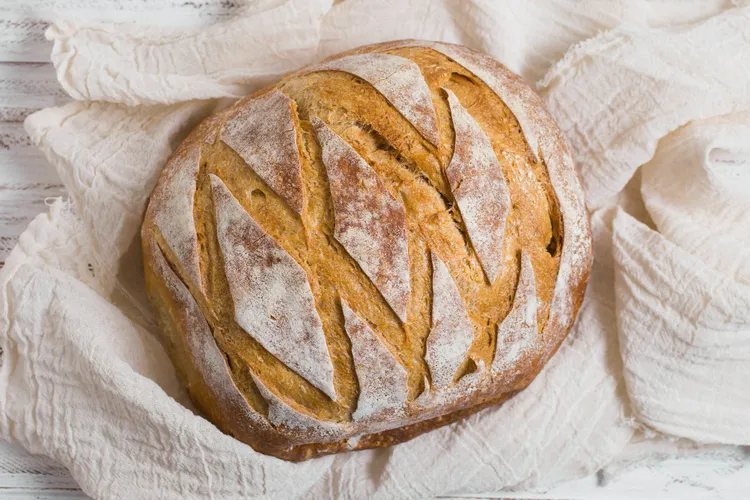
What steam also does - something many home bakers don’t realize - is create shine. That glossy, burnished exterior you see on bakery loaves is the result of starch gelatinizing on the surface of the dough. When moisture hits hot dough, starches swell, gel, and then set into a tight, crackly crust with beautiful color. Without steam, this transformation simply doesn’t happen. Instead, the crust can turn matte, dull, and unevenly browned. Steam acts like a conductor, coordinating browning, shine, and crispness into a single harmonious finish.
The type of bread you’re making can change how much steam you need. Rustic loaves like sourdough, bâtards, boules, and baguettes crave high steam in the early stages because they rely heavily on deep oven spring and a blistered, shattering crust. Enriched breads - like brioche or challah - contain butter, milk, or sugar, so they brown faster and need less steam to avoid over-darkening. Understanding these differences helps you tailor your steaming technique so you get the right texture every time.
You don’t need professional bakery equipment to harness the power of steam. One of the easiest home methods is using a preheated Dutch oven. The enclosed environment traps moisture released naturally by the dough, creating a self-generated steam chamber that mimics commercial steam-injected ovens. For freeform baking directly on a stone or sheet pan, adding a small tray of boiling water at the bottom of the oven works beautifully - just make sure to add the water after the dough goes in so you get immediate steam. Another trick is spraying the oven walls with water right after loading the dough, though this method requires caution and quick movement.
Even the way you score your loaf interacts with steam. Thoughtful scoring creates vents that guide expansion, and steam ensures those cuts bloom fully instead of sealing up prematurely. The result? Those gorgeous, ear-like flaps and dramatic patterns that give artisan breads their unmistakable personality. Steam essentially “opens the door” so the loaf can grow into the shape you intended.
As the bake progresses, the role of steam shifts. In the beginning, it is all about moisture, rise, and shine. But after the first 10-15 minutes, steam is no longer needed. In fact, continued steam would stop the crust from crisping. This is why bakers remove lids from Dutch ovens halfway through baking or briefly vent the oven to release excess moisture. Once the loaf has completed its expansion, dry heat takes over to build structure, deepen color, and create that satisfying crackle when you tap the crust.
What’s surprising is how transformative steam can be even when everything else stays the same. You could use the same recipe, same flour, same shaping technique - but add steam at the right moment, and suddenly the loaf looks like it came from a professional bakery. That’s the power of controlled moisture: it enhances texture, flavor, and appearance in ways that simply can’t be replicated by ingredients alone.
Mastering steam is really about paying attention to small habits. Preheat thoroughly so steam hits a blazing-hot surface. Introduce moisture quickly so the dough doesn’t begin to harden before expansion. Give the loaf space to rise. And know exactly when to transition from a humid environment to dry heat. It’s a simple, elegant rhythm that turns bread baking from guesswork into craftsmanship.
Once you understand this secret role of steam, your relationship to bread baking changes. Every loaf becomes an opportunity to fine-tune timing, texture, and technique. With just a tray of water or a Dutch oven, you’re suddenly capable of producing breads that crackle when they cool, that shine with a caramelized sheen, and that fill your kitchen with the warm aroma of true artisanal baking. Steam doesn’t just improve bread - it transforms it.
Latest