Toasting Grains Before Cooking - Why It Changes Everything
Toasting grains before cooking is one of those quiet kitchen secrets that instantly elevates even the simplest dishes. With just a few minutes of heat, everyday staples like rice, quinoa, and farro develop a deeper aroma, a nuttier flavor, and a more satisfying texture. It’s an effortless technique that delivers big, noticeable results in everything from pilafs to salads to cozy grain bowls.
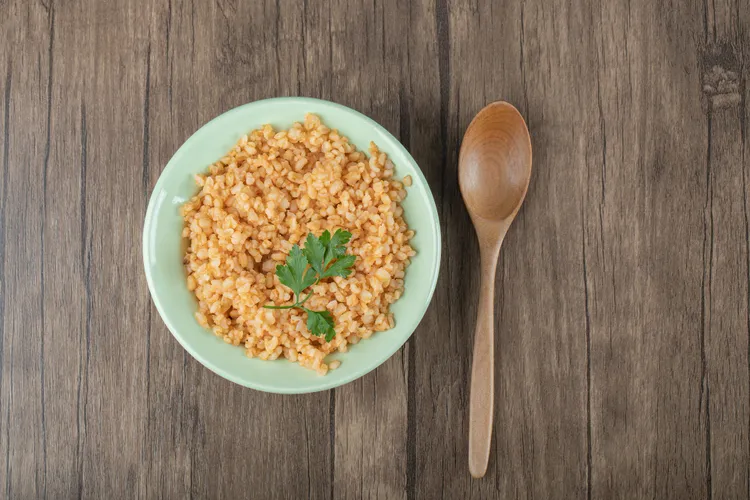
Toasting grains before cooking is one of those quiet, almost secret kitchen techniques that turns simple ingredients into deeply flavorful, aromatic dishes - yet many home cooks skip it without ever knowing what they’re missing. Whether you’re making rice, quinoa, couscous, farro, bulgur, barley, or even oats, toasting grains adds a layer of nutty richness that completely transforms their taste and texture. It’s a tiny step that takes just a few minutes, but the payoff is huge: more complex flavor, better aroma, improved structure, and a dish that tastes like it came straight from a restaurant kitchen. Once you try it, you’ll wonder how you ever cooked grains any other way.
The magic of toasting begins with one simple idea - dry heat unlocks flavor. Grains, like nuts and seeds, contain natural oils and starches that remain dormant when cooked straight from the bag. But when you warm them in a skillet or saucepan before adding liquid, you trigger the Maillard reaction, those flavorful browning changes that give food its savory complexity. Instead of tasting flat or plain, toasted grains develop warm, earthy notes: rice becomes nutty, quinoa smells gently roasted, and barley turns richer and fuller. Even instant couscous becomes more aromatic with a quick toast. This elevated flavor becomes the foundation for anything you build on top of it.
Toasting grains also enhances texture, which is why professional chefs swear by the technique. When grains heat up, their outer layers firm slightly, helping them stay separate and fluffy once cooked. This is especially true with long-grain varieties like basmati or jasmine rice. Toasting prevents the mushy, clumpy texture that often plagues home-cooked grains. Quinoa becomes lighter and less bitter, farro gains a pleasant chew, and bulgur becomes more fragrant. Instead of sticking together or turning gluey, each grain cooks evenly and retains its identity.
There are two primary ways to toast grains: dry toasting and fat toasting, and both have their own advantages. Dry toasting involves placing grains directly into a skillet or saucepan over medium heat without oil. You stir until they deepen in color and release a warm, nutty aroma - usually just three to five minutes. This method is ideal for dishes where you want to keep flavors clean and simple, like pilafs, grain salads, or lightly seasoned rice.
Fat toasting, on the other hand, uses oil, butter, or ghee to coat the grains before cooking. This technique is common in Middle Eastern, Indian, and Mediterranean cooking, where grains are often sautéed with aromatics. When fat coats each grain, it not only adds flavor but also creates a subtle barrier that helps maintain fluffiness. Think of it like starting a risotto or pilaf: by sautéing rice in olive oil or butter before adding broth, you deepen flavor and encourage the grains to absorb the cooking liquid more evenly. This method is perfect for dishes where richness matters - pilafs, herb rice, Persian-style grains, or anything meant to pair with roasted meats and vegetables.
Toasting grains also helps reduce bitterness, especially in quinoa. Quinoa naturally has a bitter coating called saponin, even after rinsing. Toasting burns off the lingering bitterness and enhances its floral, nutty qualities. Many people who dislike quinoa find they love it once it’s properly toasted.
Another benefit of toasting grains is how effortlessly it builds layers of flavor. When you toast grains alongside aromatics - like garlic, onion, shallots, whole spices, or herbs - you infuse the entire dish from the ground up. The grains absorb the flavor of whatever they touch in the pan, meaning your final dish tastes cohesive without needing lots of extra seasoning at the end. Toasting farro with olive oil and rosemary creates an herby, fragrant base for hearty salads. Toasting rice with butter and garlic gives it an irresistible aroma even before the broth goes in. Toasting couscous with a little turmeric builds a golden base for Mediterranean bowls.
Even the most basic grain dishes benefit from this technique. Steamed rice feels special. Quinoa bowls become more savory. Grain sides taste deeper with almost zero extra effort. If you want to take this technique even further, experiment with toasting the grains until lightly golden, which adds caramelized depth and gives pilafs or fried rice a more dynamic flavor profile.
Toasting grains before cooking isn’t just about taste - it’s about creating meals that feel intentional, layered, and satisfying. It turns everyday staples into standout dishes simply by waking up their natural oils and enhancing their structure. And best of all, it takes almost no time, no special tools, and no extra ingredients. Whether you’re cooking for yourself, your family, or guests, this tiny step has the power to elevate your cooking instantly.
Once you start toasting grains, you’ll notice the aroma first, then the depth of flavor, then the improved texture - and you’ll never go back to tossing grains straight into water again. It’s a small change that truly changes everything, giving every dish you make a warmer, richer, more delicious foundation from the very first step.
Latest