Why Measuring by Weight Beats Measuring by Cups Every Time
Measuring ingredients may seem simple, but the method you choose can make or break your bake. While cups are convenient, they leave far too much room for error - and that’s where weighing your ingredients changes everything. Once you switch to a kitchen scale, you’ll notice instant improvements in texture, consistency, and overall results, making your baking far more reliable and enjoyable.
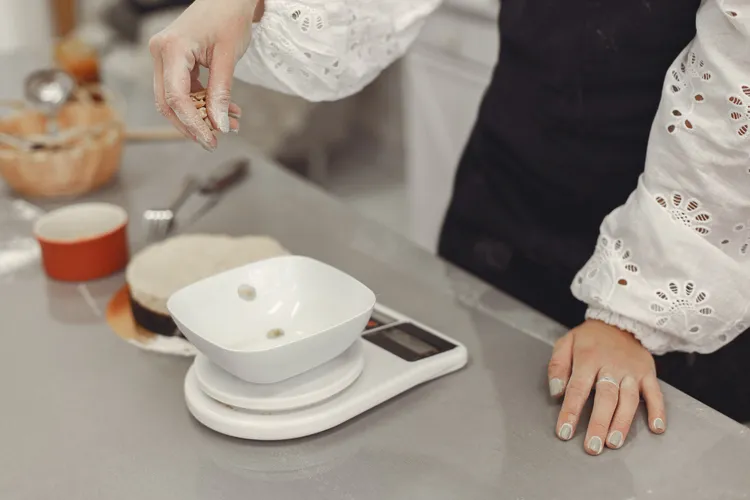
If you’ve ever followed a recipe exactly - or so you thought - only to end up with a dense cake, gummy cookies, or bread dough that feels nothing like what the recipe described, you’re not alone. The truth is simple: measuring by cups leaves too much room for error. Measuring by weight, on the other hand, is the secret to consistent, reliable, bakery-level results every single time. Whether you bake weekly or only when the mood strikes, switching to a kitchen scale will immediately make your cooking more accurate, more predictable, and far less stressful.
Measuring by weight is more precise because it relies on an exact number - grams - rather than a physical container that can be overfilled or underfilled depending on how you scoop. A cup of flour, for example, can vary wildly based on technique: dip your cup into the bag and you may compact the flour and end up with 140 grams; spoon it lightly into the cup and you might get just 115 grams. That kind of inconsistency can make baked goods too dry, too dense, or completely unbalanced. But when a recipe calls for 120 grams of flour and you use a scale, you get exactly that - no guesswork, no variability, no surprises.
This shift toward measuring ingredients by weight is why professional bakers insist on using a scale. Your butter is always 113 grams per stick. Your sugar weighs the same whether it's humid or dry. Even ingredients that compact or settle - like powdered sugar, brown sugar, or cocoa - become perfectly consistent when weighed. Using weight measurement also makes recipe scaling incredibly easy; doubling a recipe becomes as simple as doubling the numbers, rather than worrying about awkward fractions like ¾ cup becoming 1½ cups or guessing whether your measuring cup is truly accurate.
Beyond precision, measuring by weight makes the cooking experience smoother and cleaner. A scale allows you to add ingredients directly to the bowl - no need to dirty several measuring cups and spoons. For recipes that require several additions of dry and wet ingredients, you can zero out (or “tare”) the scale between each addition, keeping the process effortless. This reduces clutter on the counter and makes cleanup noticeably faster - especially helpful when baking with kids or prepping multiple recipes at once.
Using a scale is also invaluable when working with international recipes. Cups vary from country to country, and conversions can lead to major errors. But grams and milliliters? They’re universal. A kitchen scale ensures you can follow a recipe from London, Sydney, or Tokyo with the same level of accuracy as one from your own kitchen. It’s one of the simplest ways to expand your cooking skills globally while ensuring your results taste exactly as intended.
Accuracy also becomes essential in recipes where ratios matter, especially bread making, pastry, custards, or anything involving yeast. Hydration levels in dough depend on exact proportions of flour to water, not an approximate scoop. Pastry dough relies on precise amounts of butter for flakiness. Custard requires exact ratios to set properly. When you measure by weight, you get perfect, consistent ratios every time - making your results more professional with almost no extra effort.
Switching to weight measurement also eliminates the frustration of ingredients that don’t sit neatly in cups. Chopped nuts, shredded cheese, chocolate chips, and sticky ingredients like honey or peanut butter become easy to measure because you’re no longer trying to force unusual textures into uniform containers. A scale lets you weigh them as they are, giving both accuracy and ease. This alone is often enough to convince home cooks to never go back.
Even savory cooking benefits from weighing ingredients. While it’s true that savory recipes are more forgiving, accuracy still helps when making consistent sauces, doughs, brines, or spice blends. Measuring ingredients like rice, quinoa, or pasta by weight instead of relying on the “cup” method ensures your portions turn out exactly the same every time, reducing food waste and over-cooking mishaps.
The best part? A kitchen scale is inexpensive, compact, and incredibly simple to use. Once you adopt it, you’ll likely find yourself baking more confidently, troubleshooting less, and producing more reliable results. Your cookies will spread properly, your cakes will rise evenly, and your breads will hydrate exactly as intended. It’s a tiny tool with a huge impact - one that instantly elevates your cooking and baking with almost no learning curve.
In the end, measuring by weight isn’t just about precision - it’s about empowerment. Using grams brings your cooking closer to science, removing the guesswork that leads to disappointing results. Whether you’re a beginner baker or someone who just wants more consistent meals, learning to use a kitchen scale is one of the most transformative kitchen habits you can adopt. And once you experience how much better your recipes turn out, you’ll wonder how you ever cooked any other way.
Latest