Why Your Cookies Spread Too Much - and How to Control It
Few baking frustrations compare to pulling a tray of cookies from the oven only to find them melted into flat, crispy puddles. Even when you follow a recipe closely, small changes in ingredients, temperature, or technique can dramatically affect how much your cookies spread. Understanding what’s really happening in the dough is the key to taking control - and finally baking cookies that come out thick, chewy, and picture-perfect every time.
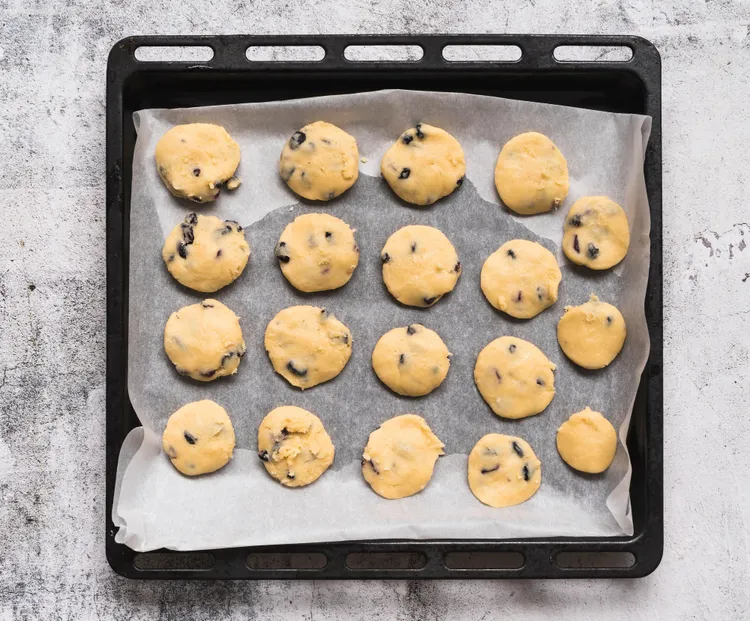
Cookie spread is one of the most common - and most frustrating - baking mysteries. You follow the recipe, measure everything carefully, and yet when you open the oven door, your cookies have melted into one big sheet. Instead of thick, chewy rounds, you get thin, flat puddles with crispy edges and barely any center. The good news? Cookie spread is completely predictable once you understand why it happens. Temperature, fat ratios, flour type, sugar levels, pan choice - every ingredient and variable affects how cookies behave in the oven. When you learn how to control these factors, you gain the power to decide exactly how your cookies turn out: thick or thin, chewy or crispy, perfectly round or intentionally rustic.
The first culprit behind excessive spread is almost always butter temperature. Softened butter is essential for creaming, but there's a difference between softened and melted. Butter that’s too warm - slippery, shiny, or greasy - acts like liquid fat the moment it hits the oven. As soon as the heat kicks in, the butter melts faster than the cookie can set, creating a rapid outward spread. Ideally, butter should be around 65-67°F (18-19°C): cool to the touch, still holding its shape, and easily indented with light pressure. If your butter is too soft, simply chill it for 10-15 minutes before mixing, or chill the dough afterward to restore structure.
Chilling the dough is one of the most effective ways to control spread, and it’s a bakery secret for a reason. In the fridge, fats solidify, gluten relaxes, and moisture redistributes, giving the dough more strength and stability. Even just 30 minutes of chilling can dramatically reduce spread, while overnight chilling develops deeper flavor and thicker, chewier cookies. If your cookies are consistently too thin, try shaping the dough into balls and refrigerating them before baking. Cold dough takes longer to melt, meaning it has more time to rise and set before spreading too far.
Another major factor is the ratio of fat to flour. Cookies with higher fat content - such as those with lots of butter, oil, or nut butter - naturally spread more. If your dough feels greasy or excessively soft, it may simply need a little more flour. Adding 1-2 tablespoons at a time strengthens the dough without altering flavor. Flour provides structure, absorbs moisture, and supports the cookie’s shape. Just make sure to measure your flour correctly; scooping directly from the bag can pack the flour and give you more than intended, while under-measuring leads to weak dough that collapses outward.
Sugar type plays a surprisingly large role too. White sugar encourages spread because it liquefies quickly in the oven, giving cookies that classic crispy edge. Brown sugar, however, contains molasses and more moisture, helping cookies stay thicker and chewier. If your cookies spread too much, replacing a portion of the white sugar with brown sugar can help. On the other hand, if you want a thinner, caramelized cookie, increasing the white sugar will take you there. Understanding sugar behavior gives you an easy way to adjust texture without changing the entire recipe.
Then there’s the issue of leaveners - baking soda and baking powder. Baking soda encourages spread because it raises the dough’s pH, weakening gluten structure and causing wider, thinner cookies. Baking powder, in contrast, encourages lift. Using too much baking soda or too little baking powder can lead to cookies that flatten dramatically. If your cookies always turn into pancakes, try reducing the baking soda slightly or switching to a combo of both leaveners for a more balanced rise.
Even the type of baking sheet you use can determine how much your cookies spread. Dark metal pans absorb heat quickly, causing butter to melt faster and cookies to flatten more. Nonstick pans also tend to produce thinner cookies because the dough slips outward more easily. A light-colored aluminum pan provides the most consistent results and reduces spread. Lining your pan with parchment paper also creates mild friction that allows dough to grip the surface and rise upward instead of sliding outward. Silicone mats, while convenient, often lead to wider, flatter cookies because of their insulation and slick surface.
Oven temperature is another key factor. If your oven runs cool - common in many home ovens - the cookies will melt before they set, leading to excessive spread. Baking at a slightly higher temperature (around 375°F or 190°C instead of 350°F/175°C) encourages faster puffing and setting, giving you thicker cookies with a soft center. A hotter oven gives the outside a quick start, reducing how far the dough can flow outward. On the flip side, if you want intentionally thin, crispy cookies, a slightly lower temperature encourages gradual spread and deep caramelization.
Even your mixing method can affect the final result. Over-creaming butter and sugar adds too much air, causing cookies to rise quickly and then collapse into flat disks. Under-creaming, however, leaves you with dense dough that spreads inconsistently. The sweet spot is mixing until the butter and sugar are light and slightly fluffy - usually about 2–3 minutes. Once you add flour, mix only until combined; overmixing activates gluten, making cookies tough and oddly flat.
And finally, the add-ins matter. Overloading your dough with chocolate chips, nuts, or fruit creates imbalance, causing cookies to spread irregularly. Large mix-ins trap heat and create weak points where the dough thins out. If your cookies are spreading unevenly, reduce the add-ins slightly or chop them into smaller pieces for better distribution.
Understanding why cookies spread - and how to control it - allows you to customize every batch with precision. If you want thick, bakery-style cookies, try chilling the dough, increasing flour slightly, and baking on a light aluminum sheet at a higher temperature. If you prefer thin, crispy cookies, use warm dough, a little extra butter or sugar, and a dark pan at moderate heat. Cookie spread is not a flaw - it’s a predictable reaction you can shape to match your ideal texture.
Once you get familiar with how ingredients and tools interact, you’ll stop guessing and start baking with confidence. No more accidental cookie puddles. No more surprise outcomes. Just perfect, intentional results every time - exactly the way you like them.
Latest