Butterscotch puddings
Butterscotch puddings are a creamy dessert featuring a rich, caramel-like flavor, made from butter, brown sugar, and eggs. This easy recipe guides you through creating a decadent homemade treat that's perfect for any occasion.
Cook time 15 min
Prep time 15 min
Ingredients:
2 tbsp butter3/4 cup brown sugar
2 tbsp all-purpose white wheat flour
2 eggs
2 cups milk (1% fat)
1/2 cup sugar
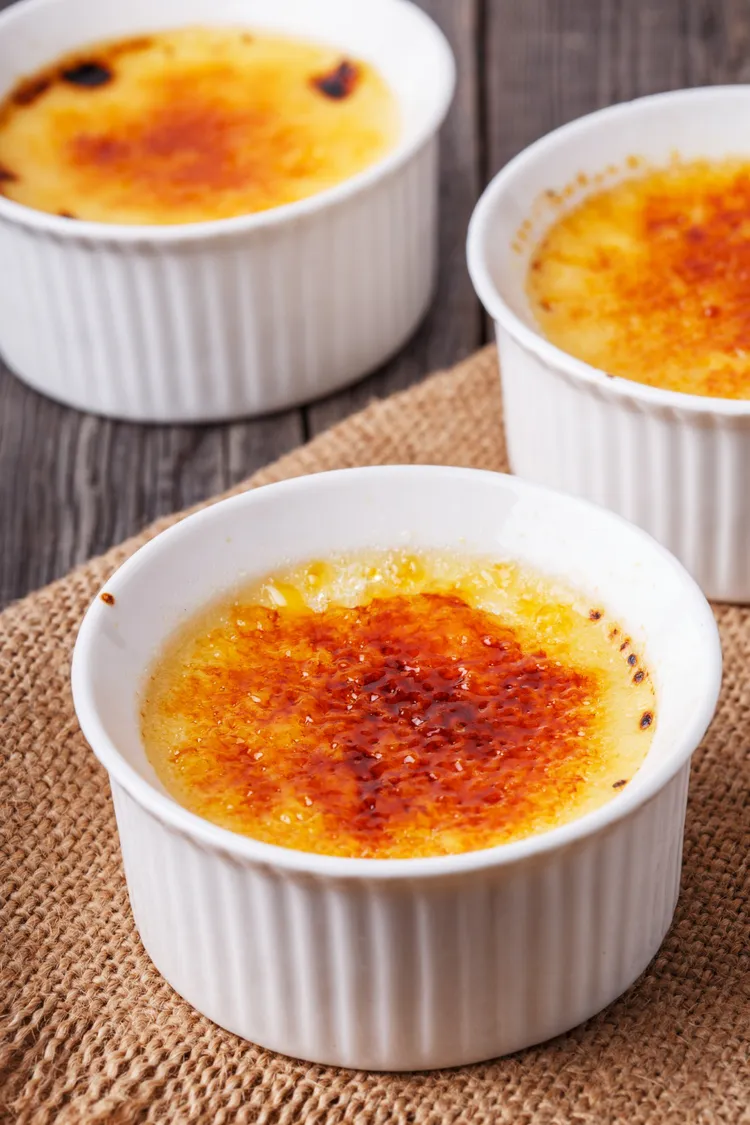
Butterscotch puddings are a delightful dessert that brings a perfect mix of creamy texture and rich, caramel-like flavor. They're surprisingly easy to make with just a few ingredients that you likely already have in your kitchen. Follow this recipe to create a delicious homemade butterscotch pudding that will impress your friends and family.
Instructions:
Butterscotch puddings are an exceptional treat that combines creamy richness with a deep caramel flavor. By following the guidelines and tips above, you can create a dessert that is as stunning to look at as it is to eat. Serve it chilled and enjoy a delightful end to any meal with these butterscotch puddings.
Butterscotch puddings FAQ:
This recipe is designed to be made in a medium saucepan for cooking the pudding. For chilling, individual serving bowls or ramekins are ideal and can vary in size, typically holding about 1/2 to 1 cup each.
The butterscotch pudding should be chilled in the refrigerator for at least 2 hours to set properly. It may take longer if you're using larger containers.
You can substitute the 1% milk with other milk alternatives like whole milk or oat milk, but this may slightly alter the creaminess. For a richer flavor, consider using light brown sugar instead of granulated sugar, but do not change the amount of butter and flour.
The pudding is done when it thickens and starts to bubble, which should take about 5-7 minutes of cooking over medium heat. It should also coat the back of a spoon.
If your pudding has lumps, you can strain it through a fine-mesh sieve into a bowl to achieve a smoother texture. This step is optional but recommended for the best results.
Cooking Tips:
- Ensure to use low heat when melting the butter and sugar to avoid burning.
- Whisk continuously when adding the flour to prevent lumps from forming.
- Temper the eggs by slowly adding a small amount of hot milk mixture to avoid curdling.
- Use a fine-mesh sieve when pouring the mixture into serving dishes for a silky-smooth texture.
- Cover the surface with plastic wrap when chilling to prevent a skin from forming.
Nutrition Facts
4 ServingsCalories 430kcal
Protein 8g
Carbohydrates 80g
Fiber 0.22g
Sugar 70g
Fat 10g
More recipes
Banana avocado protein power smoothie
A creamy, protein-rich banana avocado smoothie to fuel your day.
21 Apr 2026One-pan lemon and chicken potato bake
Easy one-pan lemon and chicken potato bake with vibrant flavours.
21 Apr 2026Low-carb sausage and zucchini casserole
A creamy, cheesy low-carb sausage and zucchini casserole.
21 Apr 2026Cinnamon oat apple peanut butter sandwich with raisins
A quick and nutritious cinnamon oat apple peanut butter sandwich.
21 Apr 2026