Traditional shortbread
This traditional shortbread recipe features a buttery, crumbly texture using simple ingredients like butter, sugar, and two types of flour. It's easy to make, perfect for any occasion, and yields cookies that melt in your mouth.
Cook time 40 min
Prep time 15 min
Ingredients:
1 cup butter1/2 cup sugar
2.50 cups all-purpose white wheat flour
1/2 cup white rice flour
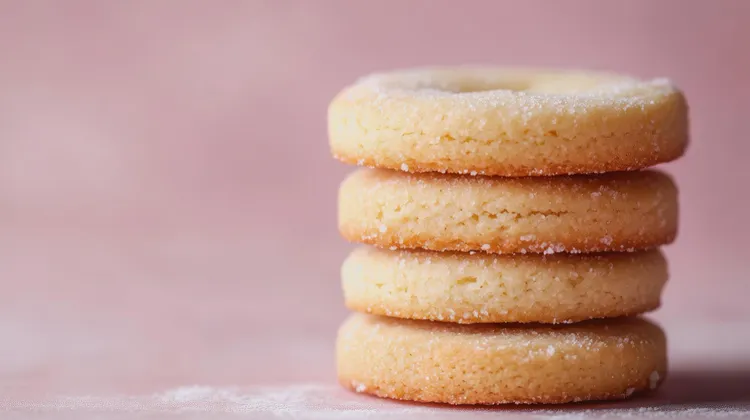
Shortbread is a classic Scottish treat known for its buttery and crumbly texture. This traditional shortbread recipe uses simple ingredients to create a rich and melt-in-your-mouth cookie that’s perfect for any occasion.
Instructions:
- Preheat your oven to 325°F (165°C). Line a baking sheet with parchment paper or lightly grease it.
- In a large mixing bowl, use an electric mixer to cream the butter until smooth and fluffy.
- Gradually add in the sugar. Continue to beat the mixture until it's light and well-creamed, which should take about 2-3 minutes.
- In a separate bowl, combine the all-purpose white wheat flour and the white rice flour. Mix them well to ensure an even distribution of the rice flour within the wheat flour.
- Gradually add the flour mixture to the butter and sugar mixture. You can do this in batches to avoid a flour cloud. Mix at low speed until the dough starts to come together. The dough will be crumbly at first, but it should start to form a cohesive dough as you mix it.
- Turn the dough out onto a lightly floured surface. Gently knead the dough until it comes together into a smooth ball. Be careful not to over-knead; you don’t want to develop the gluten in the wheat flour, which could make the shortbread tough.
- Roll the dough out to about 1/2-inch thickness. You can use a rolling pin and ensure an even thickness by using rolling pin guides or rolling between two spaced objects.
- Use a cookie cutter or a knife to cut the rolled dough into desired shapes. Traditional shortbread is often cut into rectangles or rounds.
- If the dough is too soft at this stage, you can place the cut cookies on the prepared baking sheet and chill them in the refrigerator for 15-20 minutes. This step can help the cookies maintain their shape during baking.
- Arrange the cut dough pieces on the prepared baking sheet, spacing them slightly apart.
- Bake in the preheated oven for 20-25 minutes, or until the edges just start to turn golden but not brown. Shortbread is known for its pale color, so avoid overbaking.
- Remove the baking sheet from the oven and allow the shortbread to cool on the sheet for about 5 minutes. Then, transfer the cookies to a wire rack to cool completely.
- Once the shortbread has cooled completely, it's ready to be enjoyed. Store any leftovers in an airtight container at room temperature.
By following this traditional shortbread recipe and incorporating these tips, you'll be able to create a delicious treat that captures the essence of classic Scottish baking. Perfect to enjoy with a cup of tea or coffee, or to share with friends and family, these shortbread cookies are sure to be a hit!
Traditional shortbread FAQ:
Bake the shortbread in a preheated oven at 325°F (165°C) for 20-25 minutes, until the edges are just starting to turn golden. Be careful not to overbake, as traditional shortbread should remain pale.
Shortbread is done when the edges are light golden and the center remains pale. It shouldn't be browned. Remove it from the oven as soon as it shows signs of color.
Yes, you can substitute white rice flour with other gluten-free flours like almond flour or oat flour, but this may alter the texture slightly. For a non-gluten-free option, you can use all-purpose flour instead.
Store leftover shortbread in an airtight container at room temperature. It will keep fresh for up to a week.
A standard baking sheet is ideal for shortbread. Ensure it's lined with parchment paper or lightly greased to prevent sticking.
Cooking Tips:
- Use high-quality butter for the best flavor and texture. Because butter is the primary flavor in shortbread, it's crucial to use a good one.
- Ensure the butter is at room temperature to make it easier to cream with the sugar and to achieve a better texture.
- Do not overmix the dough. Mixing too much will develop the gluten in the flour, making the shortbread tough rather than tender and crumbly.
- Chill the dough before baking. This helps the shortbread maintain its shape and prevents it from spreading too much in the oven.
- Use a sharp knife to cut the dough into pieces, or use a cookie cutter for uniform shapes.
- Bake until the edges are just beginning to turn golden. This will ensure a perfect, tender texture without over-baking.
Nutrition Facts
18 ServingsCalories 190kcal
Protein 2.53g
Carbohydrates 22g
Fiber 0.55g
Sugar 6g
Fat 10g
More recipes
Chocolate-drizzle coconut macaroons
Enjoy chewy coconut macaroons drizzled with dark chocolate.
21 Apr 2026Flourless chocolate and orange cake
A rich gluten-free chocolate and orange cake that's easy to make.
21 Apr 2026Steamed coconut puddings with caramelised bananas
Delightful steamed coconut puddings topped with caramelised bananas.
21 Apr 2026Maple-vanilla coconut milk delight
Enjoy a creamy, dairy-free Maple-Vanilla Coconut Milk Delight.
21 Apr 2026