Brown Butter Matcha Apple Cake: The Ultimate Fall Bake
The cake that answers the question nobody was asking - and then makes it impossible to ask anything else
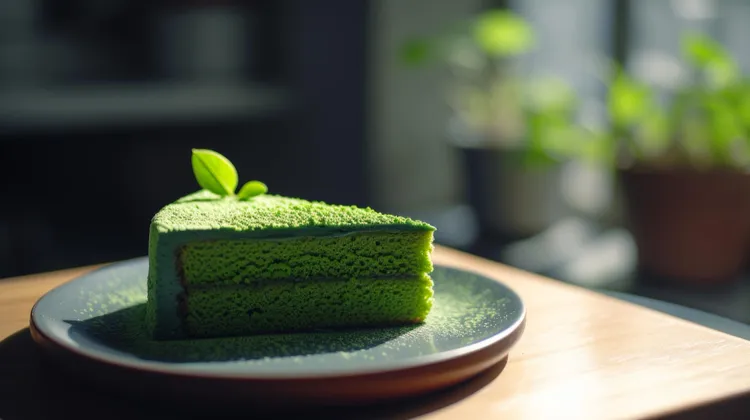
For a long time, matcha felt like a summer ingredient. Vivid and fresh, cold and bright - it belonged in iced lattes and sparkling lemonades and coconut ice cream. And then one October afternoon, someone in this kitchen browned butter, added matcha, and put both inside an apple cake - and that assumption ended completely.
Brown butter and matcha together produce something extraordinary. The nutty, caramelised depth of beurre noisette pulls out a warmth in matcha that cold preparations never reveal - a roasted, almost autumnal quality that sits completely at home alongside cinnamon, apples, and the smell of something baking in a warm kitchen on a cold day.
This cake is the result of that discovery: a deeply moist, warmly spiced apple cake enriched with brown butter and threaded through with matcha, finished with a matcha cream cheese frosting that is - we'll say it - the best frosting we've made. It keeps for five days. It gets better on day two. It is, without reservation, the fall bake.
📖 Grade note for this recipe: The brown butter and apple are assertive flavors - you need a matcha that can hold its own without being harsh. A good culinary grade or entry-level ceremonial is perfect here. Mid-grade ceremonial is slightly better if you want the matcha character to come through clearly against the spice. See Matcha 101: Why Not All Green Powders Are Created Equal.
The Case for Brown Butter in Matcha Baking
Brown butter is the technique that made Brown Butter Matcha Cookies the most popular recipe on this site. It appears again in Matcha Financiers. And it elevates this cake for the same fundamental reason it elevates everything it touches.
When butter is heated past the point of melting, the milk solids - the proteins and sugars suspended in the fat - undergo the Maillard reaction. The same browning chemistry that gives a perfectly seared steak its crust, or a piece of toast its depth, creates hundreds of new flavor compounds in the butter: nutty, caramelised, slightly toasty notes that transform an already good ingredient into something more complex and more interesting.
Against matcha, this works in a specific and remarkable way. Matcha's flavor compounds are largely fat-soluble - they express themselves most fully when carried in fat. Brown butter, with its Maillard-derived nuttiness, provides a richer, more complex fat base than regular butter, and the matcha's earthy depth integrates into that base and amplifies it rather than sitting on top. The result tastes like neither brown butter nor matcha alone - it tastes like both, inseparably.
Add cinnamon-spiced apples to this foundation and you have a cake that speaks to autumn the way matcha oat latte with cinnamon and honey speaks to a cold morning - completely, unmistakably, in a way that nothing else does.
Ingredients
Makes one 9×13 inch sheet cake or one 9-inch round two-layer cake (serves 12-14)
For the Brown Butter
- 250g unsalted butter - you will use 220g in the cake batter; the rest evaporates during browning
For the Apple Preparation
- 500g apples (about 3 medium apples) - a mix of sweet and tart works best; Granny Smith for structure and flavor, Braeburn or Cox for sweetness. Peeled, cored, and cut into 1cm cubes.
- 2 tsp ground cinnamon
- ½ tsp ground nutmeg
- ¼ tsp ground cardamom
- 2 tbsp light brown sugar
- Pinch of fine sea salt
For the Cake Batter
- 280g plain flour, sifted
- 18g culinary or entry-level ceremonial matcha (about 3.5 tsp), sifted
- 1½ tsp baking powder
- ½ tsp baking soda
- 1 tsp fine sea salt
- 220g brown butter (from above), slightly cooled
- 250g light brown sugar, packed
- 3 large eggs, room temperature
- 2 tsp vanilla extract
- 200g full-fat Greek yogurt, room temperature
- 60ml whole milk, room temperature
For the Matcha Cream Cheese Frosting
- 500g full-fat cream cheese, room temperature - must be room temperature; cold cream cheese lumps and cannot be smoothed
- 120g unsalted butter, softened
- 300g icing sugar, sifted
- 15g ceremonial or mid-grade matcha (about 3 tsp), sifted
- 1 tsp vanilla extract
- Pinch of fine sea salt
For the Finish
- 2 tbsp culinary matcha, for dusting
- Apple chips or thin dried apple rings (optional - for decoration)
- A few sprigs of fresh thyme or rosemary (optional - the herbal note is unexpected and wonderful)
Method
Step 1: Brown the Butter (10 minutes)
Cut the 250g of butter into pieces and melt in a light-colored saucepan over medium heat. Cook, stirring occasionally, as the butter melts, foams, and then begins to turn golden. Continue cooking and stirring more frequently as the foam subsides and the milk solids at the bottom begin to turn amber - you'll hear the bubbling quieten as the water evaporates.
When the butter is a deep golden-brown and smells intensely nutty - like hazelnuts and toffee - pour it immediately into a heatproof bowl. Do not leave it in the pan; residual heat will continue cooking it and it burns quickly. Allow to cool to room temperature - about 30 minutes - then measure out 220g for the cake batter.
The brown butter can be made up to a week ahead and refrigerated. It also works from solid if you gently melt it and allow it to cool back to liquid before using.
Step 2: Prepare the Apples (5 minutes)
Toss the apple cubes with cinnamon, nutmeg, cardamom, brown sugar, and salt in a bowl until evenly coated. Set aside. The sugar will draw out a little juice from the apples - that liquid goes into the cake and contributes to its moisture.
Step 3: Make the Batter (10 minutes)
Preheat oven to 175°C (350°F). Grease and line your chosen tin.
In a large bowl, whisk together sifted flour, matcha, baking powder, baking soda, and salt until completely combined and uniformly green with no pockets of unmixed matcha.
In a separate bowl, whisk the cooled brown butter and brown sugar together until combined - the mixture will look grainy at this stage, which is normal for a butter that's been browned and cooled rather than creamed from soft. Add eggs one at a time, whisking well after each. Add vanilla and whisk to combine. Stir in Greek yogurt and milk.
Pour the wet ingredients into the dry and fold together with a spatula until just combined - do not overmix. A few streaks of flour are fine; they'll incorporate fully when you fold in the apples.
Add the spiced apple cubes (including any juice that's accumulated) and fold through gently. The batter will be thick and fragrant.
Step 4: Bake
For a 9×13 inch sheet cake: Pour batter into the prepared tin, spread evenly, and bake for 35-40 minutes until a skewer inserted in the centre comes out clean and the top springs back lightly.
For a two-layer 9-inch round: Divide batter evenly between two lined 9-inch round cake tins and bake for 28-33 minutes.
Allow to cool in the tin for 15 minutes before turning out onto a wire rack to cool completely. Do not frost until completely cool.
Step 5: Make the Frosting
Beat softened cream cheese and butter together with an electric mixer on medium speed for 2–3 minutes until completely smooth and lump-free. This step must be thorough - any lumps now will remain in the finished frosting.
Sift in the icing sugar, matcha, and salt. Beat on low speed until the sugar is incorporated, then increase to medium and beat for a further 2 minutes until the frosting is smooth, pale green, and fluffy. Add vanilla and beat briefly to combine.
Taste: it should be lightly sweet, moderately tangy from the cream cheese, and clearly matcha-flavored. Adjust sweetness if needed.
Step 6: Frost and Finish
Sheet cake: Spread the frosting in an even layer over the cooled cake. Use a palette knife or offset spatula for a smooth surface, or the back of a spoon for a more rustic textured finish.
Layer cake: Place the first layer on a cake board or plate. Spread a generous layer of frosting over the top. Place the second layer and apply a thin crumb coat over the whole cake. Refrigerate for 20 minutes to set, then apply the final frosting layer.
Dust the top generously with matcha through a fine sieve - the vivid green matcha over the pale green frosting creates a depth of color that is visually beautiful. Arrange apple chips or dried apple rings over the surface if using. Add a few sprigs of fresh thyme if you want the herbal garnish - it looks distinctly autumnal and the faint herbal scent as you cut the cake is genuinely lovely.
The Flavor Profile
This is a cake where the flavors arrive in sequence.
The first forkful brings the warmth of cinnamon and the sweetness of the apple. The brown butter is underneath everything - you might not identify it immediately, but you feel its depth.
Mid-bite: The matcha arrives, earthy and complex, threading through the spice and the fruit. It doesn't dominate - it deepens. The cake without the matcha would be a good apple cake. With it, it becomes something you need to have a name for.
The frosting: Cool, tangy, sweet, and vividly matcha. The contrast between the warm spiced cake and the cold matcha frosting is the moment the cake fully reveals itself. They were made for each other.
The finish: The nuttiness of the brown butter, which has been present throughout, asserts itself most clearly in the last moment of each bite. It keeps you reaching for another piece to find it again.
Pro Tips
- Don't rush the brown butter. The temptation is to pull the pan when the butter first turns golden. Wait for the deep amber, the nutty smell, the quietening of the foam. This is where the flavor lives. Butter that's barely browned adds little; properly browned butter transforms.
- Room temperature everything. Cold eggs or yogurt added to cool brown butter can cause the mixture to seize. Take everything out of the fridge an hour before you start.
- Measure your brown butter after browning. Evaporation during browning reduces the volume. You need 220g for this recipe - start with 250g and weigh what remains after browning and cooling.
- Don't overmix after adding flour. Gluten development from overmixing makes the crumb tough. Fold - don't stir - and stop the moment the dry flour disappears.
- The cake is better cold. The flavors settle and deepen overnight. Made Thursday for Friday, this cake is at its absolute best. The frosting firms in the fridge, the apple flavor matures, and the matcha becomes more present and more integrated. This is a cake worth planning ahead for.
Common Mistake: Adding Hot Brown Butter to the Eggs If the brown butter is still warm when the eggs go in, you'll scramble the eggs rather than emulsify them into the batter. Allow the brown butter to cool until it is just warm to the touch - about 30 minutes at room temperature, or 10 minutes in the fridge. The batter will be much better for it.
Variations
Pear and Matcha Brown Butter Cake
Replace the apples with ripe but firm pears - Bosc or Conference hold their shape well in baking. Pears are sweeter and more delicate than apples, so reduce the cinnamon to 1 tsp and omit the cardamom. The pear-matcha combination is softer and more floral than apple-matcha - a beautiful variation for a dinner party rather than an everyday bake.
Matcha Apple Cake with Miso Caramel
Replace the cream cheese frosting with a miso caramel glaze: 100g caster sugar caramelised to amber, 100ml double cream added off heat, 1 tbsp white miso stirred in. Drizzle over the cooled cake rather than frosting. The miso adds a savory umami depth that bridges the matcha and the caramel in a way that's unexpected and completely wonderful. A Japanese-inspired take on a classic American cake flavor profile.
Single Layer Sheet Cake (No Frosting)
Bake in a 9×13 inch tin, dust generously with matcha and icing sugar mixed together (half and half), and serve warm from the oven in squares. The unfrosted version is the weekday cake - faster, simpler, and genuinely delicious warm with a cup of matcha oat latte or a cold brew matcha.
Matcha Apple Cake Loaf
Pour the batter into a lined 9×5 inch loaf tin and bake at 170°C for 55-65 minutes. The loaf format produces a denser, more portable cake - the loaf version of the Matcha Banana Bread idea: a bake you can slice, wrap individually, and take anywhere.
Gluten-Free Version
Replace the plain flour with a 1:1 gluten-free flour blend (one that includes xanthan gum) and use certified gluten-free oats if any oat-based elements are added. The result is slightly denser but still delicious - the brown butter and apple flavors carry through without issue.
Storing and Serving
Unfrosted cake: Room temperature, wrapped in cling film, for 3 days. Refrigerated for 5 days. Freezes well for up to 3 months (unfrosted only - freeze before adding frosting).
Frosted cake: Refrigerated, covered, for up to 5 days. The cream cheese frosting requires refrigeration. Remove from the fridge 30 minutes before serving to allow the frosting to soften - cold frosting has a denser, less pleasant texture than room-temperature frosting.
Serving temperature: Slightly warm (10 seconds in the microwave) for the sheet cake version. Room temperature for the layer cake. Never straight from the fridge - the cold dulls the flavor significantly.
What to Serve Alongside
This is an autumn cake that belongs in an autumn kitchen context:
The drinks pairing: A Warm Matcha Oat Latte with Cinnamon & Honey - the cinnamon in the drink echoes the spice in the cake. A Brown Sugar Cinnamon Iced Matcha Latte if you're making this for an autumn afternoon gathering.
As part of a fall spread: Alongside Matcha Banana Bread and Matcha Tahini Bliss Balls for a weekend baking table. The variety of textures - fluffy cake, dense loaf, chewy no-bake balls - with a unified matcha thread creates a table that feels genuinely considered.
As a celebration cake: With the two-layer version frosted carefully and decorated with dried apple and matcha dust, this is a birthday or autumn celebration cake that will be remembered. The visual - vivid green frosting, golden apple chips, matcha dusting - is unlike any other celebration cake.
FAQ
Q: Can I use store-bought apple sauce instead of fresh apples?
You can, but the texture and experience changes significantly. Fresh apple cubes create pockets of soft fruit within the cake - textural contrast that is part of what makes the cake interesting. Apple sauce distributes evenly and produces a moister, more uniform crumb with less apple character. If you use applesauce, reduce the milk to 30ml and omit the brown sugar from the apple preparation step. The result is a different (still good) cake.
Q: My cream cheese frosting is runny. What went wrong?
Almost always the cream cheese was too cold or, paradoxically, beaten too long on high speed (which breaks down the protein structure). Ensure the cream cheese is genuinely room temperature (not just out of the fridge for 10 minutes), beat initially on medium speed rather than high, and add the icing sugar gradually. If it's already runny, refrigerate the frosting for 30 minutes and beat gently again.
Q: Can I make this cake a day or two in advance?
Yes - and it's better for it. Bake the cake, cool completely, wrap tightly (unfrosted) in cling film, and store at room temperature. Make and refrigerate the frosting separately. Frost the day of serving, or at most the night before. The flavors in the cake deepen overnight.
Q: What apples work best?
A mix of sweet and tart is ideal. Granny Smith provides structure (they hold their shape when baked) and sharp apple flavor. Cox, Braeburn, or Pink Lady add sweetness and a more aromatic apple character. If you have only one type: Granny Smith for a sharper, firmer result; Gala or Fuji for a sweeter, softer one.
Q: Is the matcha flavor strong in this cake?
Moderate - the brown butter, apple, and spices are assertive flavors that the matcha shares the stage with rather than dominating. The matcha character is most present in the frosting, where it is more clearly expressed. If you want a stronger matcha presence in the cake itself, increase to 22g (about 4.5 tsp) and reduce the cinnamon slightly to let the matcha come forward.
🔗 Continue Exploring
- Brown Butter Matcha Cookies - the original brown butter matcha classic
- Matcha Financiers - another brown butter masterpiece
- Matcha Banana Bread - the other autumn matcha loaf
- Matcha White Chocolate Cake - the spring and summer layer cake
- Matcha Tahini Bliss Balls - serve alongside as part of an autumn spread
- Warm Matcha Oat Latte with Cinnamon & Honey - the perfect pairing
- Cold Brew Matcha: How to Make It Perfectly at Home
- 10 Best Matcha Baking Recipes
- Matcha 101: Grades Explained
- Why Does My Matcha Taste Bitter?
- The Ultimate Matcha Guide
Latest