We Tested 6 Matcha Brands So You Don't Have To
A blind taste test with scores, surprises, and one clear winner
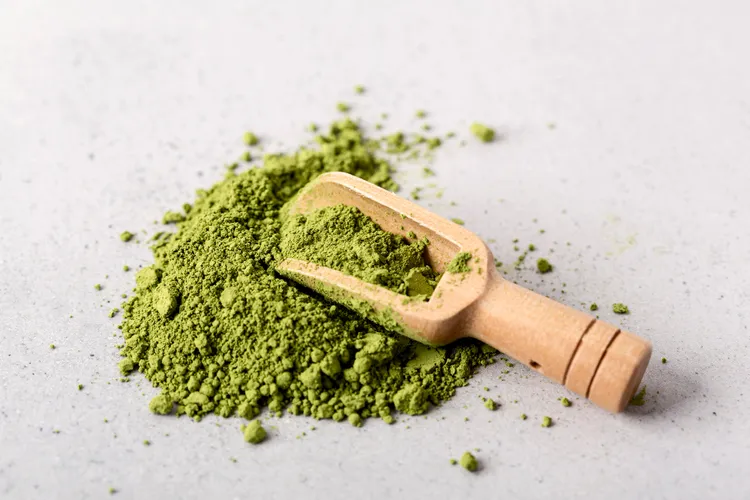
There are hundreds of matcha brands on the market. Some cost $10. Some cost $60. Most of them claim to be "ceremonial grade," "premium," or "the finest from Uji." Almost none of them give you enough information to know what you're actually buying.
So we did what any self-respecting matcha obsessive would do: we bought six popular brands, removed all labels, and tasted them blind. This is what we found.
Before reading this: Our Matcha 101 Guide explains what ceremonial and culinary grades actually mean - essential context for understanding these results. And see How to Read a Matcha Label to know what to look for when you buy.
Our Testing Method
We evaluated each matcha on four criteria, scored out of 10:
- Color - vibrancy, depth of green, absence of olive/yellow tones
- Aroma - freshness, complexity, characteristic "sweet grass" note
- Texture - fineness of powder, how it feels between fingers and in the cup
- Flavor - sweetness, umami, bitterness balance, finish length
Each matcha was prepared identically: 1.5g powder sifted into a warmed bowl, 70ml water at 75°C, whisked with a bamboo chasen for 30 seconds using a W-motion. Tasted blind by three tasters, scores averaged.
We're not naming brands by their marketing names - we're describing their profile characteristics so you can use this to evaluate whatever you're buying.
The Results
Brand A - Uji Ceremonial, ~$38 for 30g
Color: 9.5 | Aroma: 9 | Texture: 9.5 | Flavor: 9 | Total: 37/40
The standout of the test. An almost luminescent green with a texture so fine it practically dissolves in water before whisking. The aroma alone - sweet, complex, faintly marine - was enough to stop conversation. In the cup: rich umami sweetness, no bitterness whatsoever, with a finish that lingered for minutes. If you want to understand what ceremonial matcha is supposed to taste like, this is it. Worth every penny for drinking straight. Not for baking - see our matcha baking recipes for better culinary options.
Brand B - Nishio Ceremonial, ~$26 for 30g
Color: 8.5 | Aroma: 8.5 | Texture: 8.5 | Flavor: 8.5 | Total: 34/40
Excellent value. Slightly less intense in color than Brand A, but the flavor profile was genuinely impressive - cleaner and slightly sweeter, with a very approachable umami. One taster preferred it to Brand A for lattes, arguing it integrated better with milk. This is our top recommendation for everyday ceremonial drinking. Read more about Nishio as a region to understand why it consistently punches above its price point.
Brand C - "Premium" (origin unlisted), ~$18 for 30g
Color: 6 | Aroma: 6.5 | Texture: 6 | Flavor: 6 | Total: 24.5/40
This is the cautionary tale. Marketed aggressively as "ceremonial grade," it has no origin listed - just "sourced from Japan." The powder was noticeably coarser, the color more olive than green, and the flavor flat with a lingering astringency. Not terrible in a latte with milk and sweetener, but nowhere near what "ceremonial" implies. Exactly the kind of vague labeling we warn about in our buying guide.
Brand D - Kagoshima Culinary, ~$14 for 30g
Color: 7 | Aroma: 7 | Texture: 7 | Flavor: 7 | Total: 28/40
Evaluated as a culinary grade, this was excellent. Bold, assertive, slightly grassy - exactly what you want in matcha baked goods. The color in baked items was vivid and held up well to heat. Our go-to recommendation for anyone who bakes with matcha regularly.
Brand E - Uji Ceremonial, ~$45 for 30g
Color: 9 | Aroma: 8.5 | Texture: 9 | Flavor: 8.5 | Total: 35/40
Very close to Brand A. The texture was exceptional - powder this fine is the result of genuine slow stone-grinding. Where it fell slightly short was in flavor complexity - beautiful, but slightly one-note compared to Brand A's more layered finish. At this price, Brand B offers better value. Still, an outstanding product that any matcha enthusiast would love.
Brand F - "Organic Matcha," ~$22 for 30g
Color: 7.5 | Aroma: 7.5 | Texture: 7.5 | Flavor: 7 | Total: 29.5/40
Solid mid-range. The "organic" certification is reassuring but doesn't automatically mean better flavor - and here it didn't. This performed well in smoothies and matcha energy balls but felt slightly underwhelming as a straight drink. A reliable everyday option at a fair price.
The Verdict
| Category | Our Pick |
|---|---|
| Best ceremonial (premium) | Brand A (Uji, ~$38) |
| Best ceremonial (value) | Brand B (Nishio, ~$26) |
| Best culinary grade | Brand D (Kagoshima, ~$14) |
| Best for lattes | Brand B |
| Best for baking | Brand D |
| Avoid | Brand C (unlisted origin) |
What This Test Taught Us
- Origin matters enormously - the correlation between listed Japanese regional origin and quality was near-perfect in our test
- Price doesn't always predict quality - Brand B at $26 outperformed Brand E at $45
- "Ceremonial grade" labeling means nothing without origin - Brand C's claims were not reflected in the cup
- The right grade for the right use - don't waste ceremonial matcha in baking; culinary grade performs better and costs less
For the full breakdown of how to evaluate any matcha before you buy, see our Complete Matcha Tasting Guide and How to Read a Matcha Label.
🔗 Continue Exploring
Latest