Thai Pad Thai: The Street Stall Recipe, Made at Home
The most searched Thai dish in the world - made properly, for once
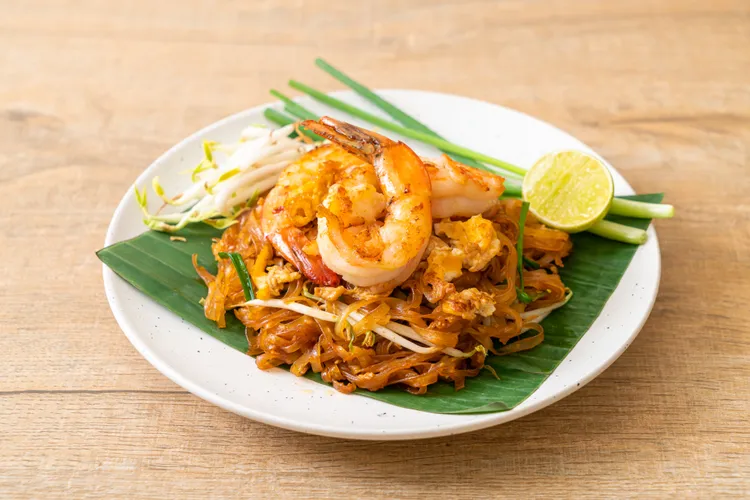
There is a version of pad thai that most people know. It arrives in a takeaway container, or on a restaurant plate, or assembled at home from a packet sauce. It is sweet - sometimes very sweet. It is dense. The noodles are soft and slightly clumped. There is a handful of bean sprouts and some crushed peanuts on top. It is fine. It is recognisably pad thai. It is not, in any meaningful sense, the dish.
The dish is what happens at a street stall in Bangkok at 10pm, where a cook with a screaming wok and thirty years of muscle memory tosses rice noodles in a tamarind sauce that is simultaneously sweet, sour, salty, and umami, folds in egg with a practiced hand, adds bean sprouts and spring onion at the last second so they retain their crunch, and presents the whole thing in forty-five seconds with a small plate of condiments: sugar, chili flakes, fish sauce, and roasted peanuts, so you can calibrate every bite to your own preference.
That version is achievable at home. Not identical - you will not have a wok burner producing 50,000 BTU of heat, and the cook's thirty years of daily practice are not something a recipe can give you. But the flavor, the texture, the balance, and the specific character of a genuinely good pad thai - those are entirely within reach, with the right understanding of what the dish is and what it requires.
This guide gives you that understanding.
📖 Before you cook: Pad thai requires three specialist ingredients - tamarind paste, fish sauce, and palm sugar - that are non-negotiable for the correct flavor. All three are covered in The Essential Asian Street Food Pantry. Source them before you start.
The Pad Thai Origin Story (and Why It Matters for Cooking)
Pad thai is not an ancient dish. It is not a recipe passed down through centuries of Thai culinary tradition. It was invented - or more precisely, engineered - in the 1930s and 1940s by the Thai government of Field Marshal Plaek Phibunsongkhram as part of a nationalist campaign to create a unified national identity and reduce rice consumption during wartime food shortages.
Noodles (cheaper than rice), a simple sauce (accessible to all income levels), and a fast cooking method (a single wok, minimal fuel) were the design specifications. The dish was actively promoted through government campaigns, sold from state-sponsored carts, and taught in schools. Within a generation it had become genuinely beloved - one of the great examples of a deliberately manufactured tradition becoming, through time and repetition and the genuine skill of millions of cooks, authentically and completely Thai.
Why this matters for cooking: Pad thai was designed to be simple, fast, and scalable. It has very few ingredients. The technique is not complex. What it requires is correct ingredients and the right understanding of balance - the sauce especially. Once you have those, the dish is straightforward.
The Sauce: Where Everything Begins
The pad thai sauce is the dish. The noodles are a vehicle. The protein and vegetables are texture and substance. But the sauce - the tamarind-fish sauce-palm sugar combination - is the flavor that makes pad thai pad thai, and getting it right is the only technical challenge the recipe presents.
The three components and what they do:
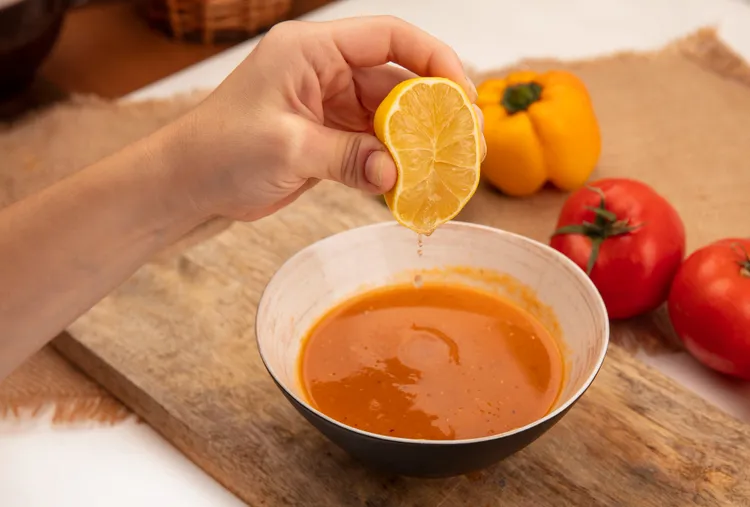
Tamarind paste provides the acid backbone - the sour, fruity depth that is the defining flavor of authentic pad thai. It is not interchangeable with lemon or lime juice, which provide a sharper, more one-dimensional acidity without the fruity complexity of tamarind. A pad thai made with lime juice instead of tamarind tastes like a Thai-flavored noodle dish. A pad thai made with tamarind tastes like pad thai.
Fish sauce provides the salt and the umami. It seasons the dish in a way that table salt cannot - the fermented fish depth adds a savory quality that makes the other flavors more present and more complex.
Palm sugar (or light brown sugar as a substitute) provides the sweetness that rounds the acidity and balances the salt. Pad thai should be sweet - but the sweetness should be balanced, a background note rather than the dominant flavor. If your pad thai tastes primarily sweet, the balance is off.
The correct ratio:
| Ingredient | Quantity (per 2 servings) | Function |
|---|---|---|
| Tamarind paste | 3 tbsp | Acid, fruitiness |
| Fish sauce | 2 tbsp | Salt, umami |
| Palm sugar | 1.5 tbsp | Sweetness, balance |
| Water | 2 tbsp | Dilution to correct consistency |
Mix these together and taste before cooking. The sauce should be simultaneously sour, salty, and sweet - with no single element dominating. Adjust at this stage, not during cooking when everything is moving quickly.
Ingredients
Serves 2 | Ready in 25 minutes (plus 30 minutes noodle soaking)
The Sauce (Make First)
- 3 tbsp tamarind paste - not concentrate (use half the quantity if using concentrate)
- 2 tbsp fish sauce - Three Crabs or Tiparos preferred
- 1.5 tbsp palm sugar or light brown sugar
- 2 tbsp warm water
The Noodles
- 200g dried flat rice noodles, 3-5mm wide - sen lek or banh pho noodles. Do not use rice vermicelli (too thin) or pad thai "noodles" from a kit (often pre-cooked and too soft)
The Protein (Choose One or Combine)
- 200g large raw prawns, peeled and deveined - the most traditional choice
- 200g firm tofu, pressed and cut into 1.5cm cubes - for the vegan version
- 200g chicken breast or thigh, thinly sliced - a common variation
- 200g combination of tofu and prawns - the classic street stall version uses both
The Aromatics and Eggs
- 3 cloves garlic, finely minced
- 2 shallots, finely sliced
- 2 large eggs - room temperature
- 3 tbsp vegetable or peanut oil - neutral, high smoke point
The Vegetables
- 150g fresh bean sprouts - added at the very end; they must retain crunch
- 4 spring onions, cut into 3cm lengths - the green parts only, added with the bean sprouts
- 30g dried shrimp (optional but authentic) - small, intensely savory; available at Asian grocery stores
The Toppings (Served Separately - This Is Important)
- 60g roasted unsalted peanuts, roughly crushed - not blended to dust; chunky texture
- 2 limes, cut into wedges
- 2 tsp white sugar
- 2 tsp chili flakes (prik bon) or fresh sliced red chili
- Extra fish sauce in a small dish
- Bean sprouts, extra, raw on the side
- Fresh coriander and banana blossom (optional - the traditional garnish)
The Noodle Preparation
This step happens before you touch the wok and is the single most commonly skipped instruction in pad thai recipes - and the single most common cause of clumped, broken, overcooked noodles.
Soak, do not boil. Place the dried rice noodles in a large bowl. Cover with cold water and soak for 30 minutes until pliable and white but still firm - they should bend without breaking but offer clear resistance when bitten. They will look undercooked. They are not undercooked. They will finish cooking in the wok.
Why cold soaking rather than boiling: Boiled rice noodles are fully cooked before they go into the wok. In the 45-90 seconds of wok cooking, they overcook and become mushy. Cold-soaked noodles are partially hydrated but structurally intact - they finish cooking in the wok in the sauce, absorbing flavor as they cook, and arrive at the correct texture at exactly the moment everything else is ready.
Drain thoroughly before cooking. Wet noodles entering a hot wok cause steam that reduces the wok temperature and prevents the Maillard browning that gives the noodles their characteristic slightly charred, toasted edges.
The Wok Technique: Home Kitchen Edition
This is the section where honesty is required.
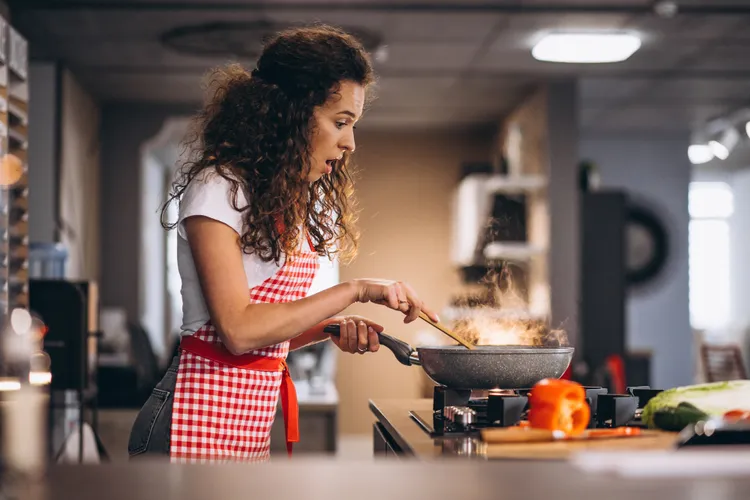
Authentic street pad thai is made in a wok over a burner producing 50,000-100,000 BTU of heat - roughly 10-20 times the output of a standard home gas burner. This heat produces wok hei - the smoky, slightly charred character created when food is tossed above the flame into intensely hot air. You cannot fully replicate wok hei on a home cooker.
What you can do is get as close as possible with the right approach - and produce pad thai that, while not identical to the street version, is genuinely excellent.
The home wok technique:
- Use a carbon steel wok, not non-stick (non-stick cannot handle the necessary heat)
- Preheat the wok over maximum heat for 2-3 minutes until it begins to smoke lightly
- Work in single servings - cooking for one person at a time, then repeating. Two portions in the wok simultaneously drops the temperature too far
- Never stir continuously - allow food to sit in contact with the hot surface for 20-30 seconds at a time to develop char at the edges
- Keep everything ready before you start - pad thai moves fast. There is no time to chop or measure once the wok is hot
No wok? Use a large cast iron skillet over maximum heat. It retains heat better than a thin stainless steel pan and produces better results than a non-stick pan. The result is slightly different from a wok but genuinely good.
Method
Step 1: Make and taste the sauce
Combine tamarind paste, fish sauce, palm sugar, and water. Whisk until the sugar dissolves. Taste - it should be the flavor you want to end up with in the dish. Adjust now. Set aside.
Step 2: Prepare everything before the wok is lit
Pad thai is a 4-minute cook from the moment the oil goes in. Every ingredient must be ready, portioned, and within reach before you start.
- Noodles: soaked, drained, ready in a bowl
- Protein: prepared and ready
- Eggs: cracked into a small bowl
- Aromatics: minced garlic and sliced shallots ready
- Sauce: made and tasted
- Toppings: arranged on a small plate for the table
Step 3: Cook the protein
Heat the wok over maximum heat until lightly smoking. Add 2 tbsp of oil. Add the protein - prawns, tofu, or chicken - in a single layer. Do not stir immediately. Let it sit for 30-45 seconds to develop color and a slight crust. Toss once and cook for a further 30 seconds. Remove from the wok and set aside. The protein will finish cooking when it returns to the wok later.
Step 4: Cook the aromatics
Add 1 tbsp of oil to the wok. Add garlic and shallots. Stir-fry for 30 seconds - they should soften and become fragrant without burning. If using dried shrimp, add them now and stir for 15 seconds.
Step 5: Add the noodles and sauce
Add the drained noodles to the wok. Immediately pour the sauce over the noodles. Toss everything together - the noodles will absorb the sauce rapidly. Cook for 60-90 seconds, tossing frequently, until the noodles are fully cooked and the sauce has been absorbed. The noodles should look slightly glazed and have a few charred edges.
Step 6: The egg
Push the noodles to one side of the wok, creating a clear space. Crack the eggs into that space and scramble briefly - 20-30 seconds, until just setting but still slightly wet. Fold the noodles back over the egg immediately and toss together, breaking the egg into pieces as you go. The egg should be in small fragments distributed through the noodles, not a flat omelette on top.
Step 7: Return the protein and add the vegetables
Return the cooked protein to the wok. Add the bean sprouts and spring onion lengths. Toss everything together for 30 seconds - just long enough to warm the sprouts without wilting them. They should retain most of their crunch.
Step 8: Plate and serve
Slide immediately onto a warm plate. The pad thai should be slightly mounded, glossy, and fragrant. The toppings plate - peanuts, lime wedges, sugar, chili, fish sauce - is served separately. This is not optional: the condiment table is how Thai street food diners calibrate every dish to their personal preference, and it is fundamental to the experience.
The Condiment Table: Why It Matters
Every pad thai street stall in Thailand sets out four condiments:
- Nam tan (white sugar): for adding sweetness
- Prik pon (dried chili flakes): for heat
- Nam pla (fish sauce): for salt
- Nam som (rice vinegar or lime): for sourness
The dish arrives pre-seasoned but not pre-calibrated - the cook has made a balanced version, but balance is personal. Some diners add a full teaspoon of sugar; some add nothing. Some drown theirs in fish sauce; others don't touch the condiments at all.
Serving these condiments at the table is the correct way to present pad thai at home. It signals that the dish is authentic, it gives guests agency over their own plate, and - practically - it means the pad thai can be slightly underseasoned from the wok (easier to add than to remove).
The Vegan Version
Pad thai adapts naturally and completely to a vegan preparation. The changes are minimal and the flavor loss is negligible with the right substitutions.
Replace fish sauce with: Soy sauce (equal quantity) + a few drops of rice vinegar + a pinch of seaweed flakes steeped briefly in warm water. This approximates the umami depth and oceanic quality of fish sauce. Mushroom-based fish sauce alternatives (increasingly available in Asian grocery stores) are an even closer substitute.
Replace prawns and chicken with: Extra-firm tofu (pressed for at least 30 minutes to remove moisture, then cubed and fried until golden before adding to the wok) and/or king oyster mushrooms torn into strips - they have a satisfying chew that works well as a protein substitute.
Replace dried shrimp with: A small handful of finely crumbled nori for the oceanic umami note.
Omit the egg or replace with: A mixture of silken tofu scrambled in the wok (it doesn't behave exactly like egg but provides a similar soft, protein-rich element).
Variations
Rose Tteokbokki-Style Pad Thai
Add 2 tbsp of coconut cream to the sauce - it produces a creamier, slightly sweeter pad thai with a pale pink tinge. Popular in modern Thai cooking and in the Korean-Thai fusion currently trending across Asian food culture.
Pad Thai with Black Bean Sauce
Replace 1 tbsp of the tamarind with 1 tbsp of Chinese black bean sauce. The fermented black beans add a different umami register - less fruity, more earthy. A variation that is not traditional but produces a genuinely interesting result.
Pad See Ew (Wide Noodle Version)
Use wide flat rice noodles (3cm+) instead of the standard sen lek noodles, replace the tamarind sauce with dark soy sauce and oyster sauce, and fold in Chinese broccoli (gai lan) instead of bean sprouts. Pad see ew is a different dish - darker, sweeter, with a more prominent char - but uses identical technique and the same wok approach.
Troubleshooting
The noodles are mushy and clumped. Either the noodles were boiled (not soaked), or they were soaked too long (over 45 minutes), or too much sauce was added and the noodles continued absorbing liquid after leaving the heat. Next time: cold soak for 30 minutes, drain well, and work quickly.
The dish is too sweet. The palm sugar quantity is too high, or the tamarind was too mild (different brands vary). Add fish sauce or a squeeze of lime to the finished dish to rebalance. Adjust the sauce ratio next time.
The protein is rubbery. Overcooked - either too long in the initial cook or returned to the wok too early and cooked through twice. Remove protein while still slightly underdone in step 3; it will finish cooking when it returns in step 7.
There's no wok hei - the dish tastes flat. The wok wasn't hot enough. Preheat for a full 3 minutes on maximum heat. Cook one portion at a time. And accept that some wok hei is simply not achievable on a home cooker - add a very small amount of smoked oil (smoked sesame or smoked rapeseed) as a garnish to approximate the smoky character.
The egg is in one flat piece, not distributed. The egg was fully cooked before the noodles were folded in. Scramble the egg only until just setting - still very wet - before folding the noodles over it immediately.
Pro Tips
- Single portions only. Every experienced pad thai cook will tell you: cook one serving at a time. The wok simply cannot maintain the temperature needed for two portions simultaneously at home burner output. Make the first portion, plate it, then cook the second. The two-minute wait for the second plate is worth the quality difference.
- Taste the sauce before it goes anywhere near the wok. The sauce is the dish. If it doesn't taste right cold, it won't taste right hot. Adjust cold, cook hot.
- The noodles should be slightly underdone when you add them. They continue absorbing sauce in the wok. Perfectly soft noodles added to a hot wok become overcooked noodles.
- High heat, short time. Pad thai is a 4-minute cook. Every extra minute on the heat degrades the texture. Have everything ready and move fast.
- Don't skimp on the lime. A generous squeeze of fresh lime at the table - not in the cooking - lifts the whole dish. The acidity of fresh lime is different from the cooked tamarind acidity in the sauce. Both are needed.
The Most Common Mistake: Using Ketchup or Sweet Chili Sauce Instead of Tamarind Many home recipes and kit sauces use ketchup or sweet chili sauce as the acid-sweet component of pad thai. The result tastes nothing like the dish. The specific fruity sourness of tamarind is not replaceable. It is available at every Asian grocery store and online. Buy it once and you have it for months. This is the single most impactful quality upgrade you can make.
FAQ
Q: Can I make the sauce in advance?
Yes - the sauce keeps refrigerated in a sealed jar for 2 weeks. Making it in advance means the dish takes 10 minutes from wok to plate on weeknights. The sauce is the only component that benefits from advance preparation; everything else must be made fresh.
Q: What's the best rice noodle brand for pad thai?
Erawan (green packet) and Cock brand are widely available and reliable. The width should be 3-5mm - look for "rice stick noodles medium" or "sen lek." Avoid anything labeled "pad thai noodles" in kit packaging - these are typically pre-cooked and produce inferior results.
Q: Can I use a non-stick pan instead of a wok?
You can, but the result is significantly inferior - non-stick coatings degrade at the temperatures needed for proper pad thai and prevent the Maillard browning that gives the noodles their characteristic slightly charred edges. A large cast iron skillet is a much better substitute than non-stick.
Q: How do I press tofu properly for the vegan version?
Wrap the tofu block in a clean tea towel and place a heavy chopping board (or a few heavy books) on top for at least 30 minutes. The towel absorbs the expelled moisture. Pressed tofu browns and crisps in the wok; unpressed tofu steams in its own water and stays pale and soft.
Q: Is pad thai gluten-free?
Rice noodles and most pad thai ingredients are naturally gluten-free. However: soy sauce contains wheat (use tamari for a gluten-free version), some oyster sauce brands contain wheat flour (check the label or use a GF certified brand), and dried shrimp occasionally have wheat-based additives (check the packaging).
🔗 Continue Exploring
- The Street Food Sauce Bible: 15 Sauces from 15 Countries - Nam Jim Jaew
- The Essential Asian Street Food Pantry
- Korean Tteokbokki: The Spicy Rice Cake Dish Taking Over the World
- Vietnamese Bánh Mì: Building the Perfect Sandwich at Home
- Japanese Takoyaki: Osaka's Favourite Street Food at Home
- How to Fry Like a Street Food Vendor: The Complete Home Guide
- 10 Street Food Dishes You Can Make in 30 Minutes or Less
- Global Street Food at Home: The Ultimate Guide
Latest