Vietnamese Bánh Mì: Building the Perfect Sandwich at Home
The world's greatest fusion sandwich - and how to make it properly
The bánh mì is one of the great culinary accidents of history.
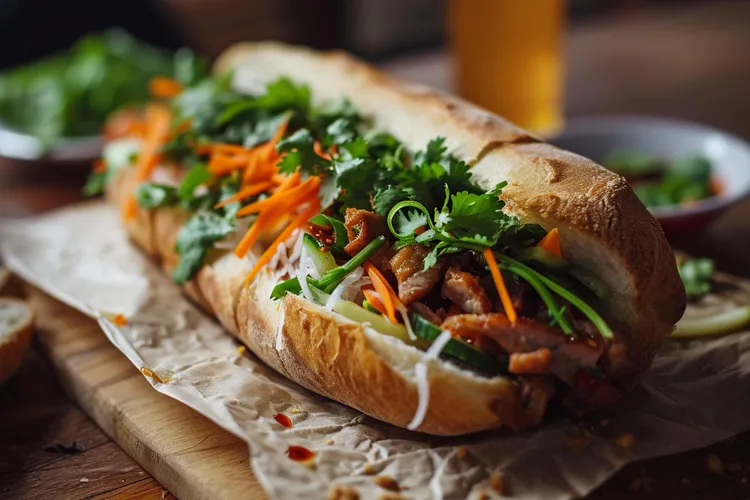
In the mid-19th century, French colonisers arrived in Vietnam and brought with them the baguette. The Vietnamese adopted the bread, adapted it - making it lighter, crispier, with a thinner, more shattering crust and an airier crumb than its French ancestor - and then filled it with ingredients that no Parisian baker would have recognised: pâté, pickled daikon and carrot, fresh coriander, sliced jalapeño, Maggi seasoning, and a swipe of mayo made pungent with fish sauce. The result was a sandwich that was neither French nor Vietnamese, and completely, unmistakably both.
The bánh mì stall is one of the democratic institutions of Vietnamese street food - open early, open late, affordable to everyone, found in every city and town. A good bánh mì costs next to nothing and tastes like the best sandwich you've ever had: the shattering crust giving way to the soft interior, the richness of the pâté cut by the sharp pickle, the freshness of the herbs running through every bite, the Maggi mayo binding it all into a coherent whole.
This recipe builds the perfect bánh mì from every component. The pickled vegetables - the single most important element. The bread - what to look for and what to avoid. Three fillings: the classic pâté and charcuterie, a lemongrass chicken thigh version, and a completely plant-based lemongrass tofu version. And the assembly - the sequence that makes everything stay together and taste right.
📖 The Maggi seasoning and fish sauce are non-negotiable. They are the flavors that make the mayo taste like bánh mì mayo rather than like regular mayo with stuff added. Both are available at large supermarkets and Asian grocery stores. See The Essential Asian Street Food Pantry for sourcing notes.
The History: Colonialism's Most Delicious Accident
The French introduced the baguette to Vietnam via their colonial bakeries, but the Vietnamese transformed it almost immediately. The French baguette is made with high-protein wheat flour and has a thick, chewy crust and a dense, tight crumb. The Vietnamese bánh mì baguette uses a combination of wheat and rice flour, producing a bread that is dramatically lighter - the crumb is almost cotton-soft - with a crust that is thinner and more fragile, shattering rather than tearing when bitten.
This modification was not cosmetic. The lighter crumb means the bread compresses without pushing the fillings out. The shattering crust creates audible, tactile pleasure with every bite. The rice flour reduces the yeast flavor slightly, making the bread a more neutral vehicle for the fillings. The Vietnamese didn't simply adopt the French baguette - they improved it for the specific purpose they needed it to serve.
The fillings evolved through the 20th century from primarily French-influenced (pâté, cold cuts, butter) to a distinctly Vietnamese profile (pickled vegetables, fresh herbs, Maggi, chili) that absorbed and transformed the colonial ingredients into something entirely new. By the time the bánh mì became internationally known - partly through the Vietnamese diaspora communities established after 1975 - it was already a fully formed culinary tradition, not a fusion experiment.
The sandwich you make from this recipe is the product of that history. Every layer carries it.
Component 1: The Đồ Chua (Quick-Pickled Vegetables)
The đồ chua - pickled daikon and carrot - is the most important element of the bánh mì. Not the bread. Not the protein. The pickle.
Without it, the sandwich is rich, fatty, and heavy - the pâté and mayo and meat without contrast. With it, every other element is sharpened and clarified. The acidity of the pickle cuts through fat. The crunch provides textural contrast to the soft bread. The faint sweetness of the carrot balances the vinegar. And the characteristic pink-orange color of the mixed pickle, visible at the edge of the sandwich, is the visual signal that the bánh mì was made properly.
The đồ chua must be made at least 30 minutes in advance. It keeps for 2 weeks and gets better over the first few days. Make a large batch and keep it in the fridge - it transforms everything from fried rice to grilled chicken, not just bánh mì.
Ingredients (Makes enough for 6-8 bánh mì)
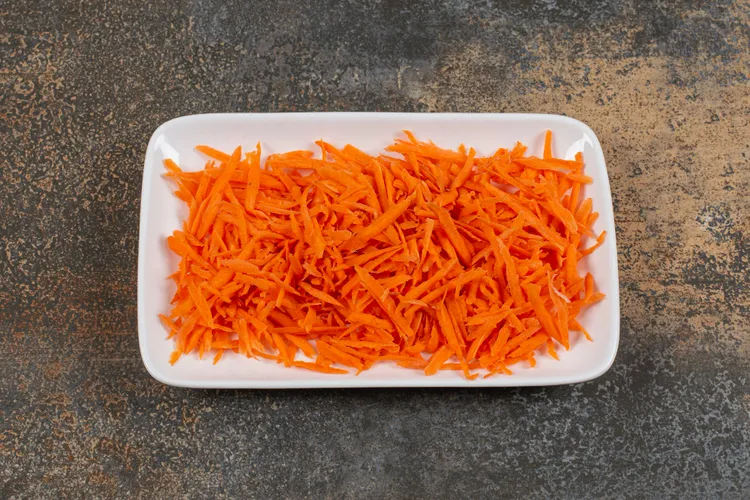
- 200g daikon radish, peeled and cut into fine matchsticks - or coarsely grated for a quicker result
- 200g carrots, peeled and cut into fine matchsticks - or coarsely grated
- 1 tsp fine sea salt
- 3 tbsp white sugar
- 120ml rice vinegar - the mild, slightly sweet acidity of rice vinegar is correct; white wine vinegar is a functional substitute
- 120ml warm water
Method
Step 1: Salt and press. Toss the cut daikon and carrot with 1 tsp of salt and 1 tbsp of the sugar. Massage gently and leave for 10 minutes. The vegetables will release water and soften slightly. Squeeze out as much liquid as possible - this removes the raw edge from the daikon (which can be quite pungent) and makes the vegetables more receptive to the pickling liquid.
Step 2: Make the pickling brine. Combine remaining sugar, rice vinegar, and warm water. Stir until sugar dissolves completely.
Step 3: Pickle. Pack the squeezed vegetables into a clean jar. Pour the brine over to cover completely. Press down to submerge. Close the jar and leave at room temperature for at least 30 minutes before using. After 24 hours in the fridge the flavor deepens considerably.
Storage: Refrigerated, 2 weeks. The vegetables become more sour over time - the first week is the sweet spot between fresh and fully pickled.
Component 2: The Bread
The ideal bánh mì baguette is Vietnamese-style - rice flour in the mix, thin shattering crust, very light crumb. Outside of Vietnam and areas with large Vietnamese communities, it is difficult to find.
What to use:
- Vietnamese-style bánh mì rolls from a Vietnamese bakery or Asian grocery store - perfect, if available
- Light French baguette - the closest widely available substitute. Look for a baguette with a thin, crackling crust rather than a thick, chewy one. Supermarket baguettes that are meant to be crisped in the oven work better than artisan sourdough baguettes for this purpose.
- Light ciabatta rolls - the open crumb and thin crust make a reasonable substitute in the absence of a proper baguette
- Avoid: Dense sourdough, thick-crusted artisan bread, soft sandwich rolls. These change the texture balance of the sandwich completely.
Preparation: Cut the roll open lengthways, leaving one edge attached like a hinge. Warm in a 180°C oven for 3-4 minutes just before assembly - a warm, slightly crisp baguette is significantly better than a cold or soft one. Do not toast fully - the bread should be warm and crisp on the outside, still soft inside.
Individual portions: Each bánh mì is made with a 20-22cm section of baguette or a single roll. Street stalls in Vietnam use smaller rolls (15-18cm) because the filling is balanced for a specific bread-to-filling ratio. Larger bread overpowers the fillings.
Component 3: The Maggi Mayo
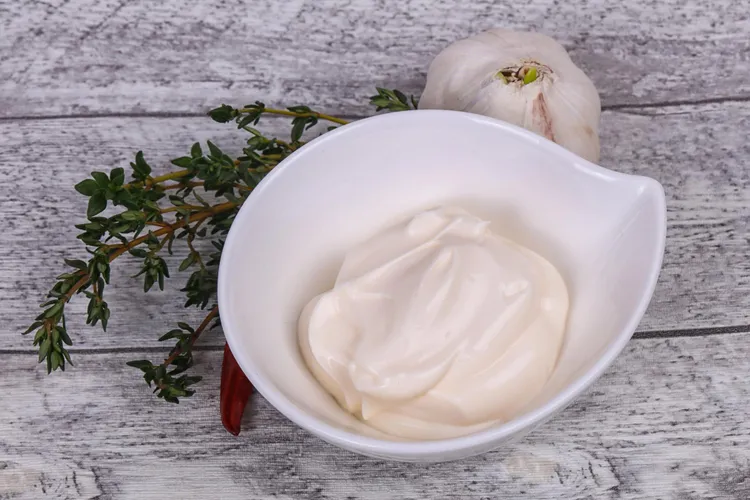
The mayo is the binding element - it provides richness, holds the other fillings in place, and carries the Maggi seasoning that gives bánh mì its specific savory, slightly soy-like flavor note that distinguishes it from any Western sandwich.
Ingredients (Makes enough for 6 bánh mì)
- 6 tbsp good quality mayonnaise (Japanese mayo/Kewpie is ideal - its richness and slight sweetness are particularly well-suited)
- 1 tbsp Maggi seasoning sauce
- 1 tsp fish sauce - adjust to taste
- ½ tsp white sugar
- Optional: ½ tsp sriracha for a very mild background heat in the mayo itself
Method
Whisk all ingredients together. Taste - it should be savory, slightly umami-forward, and distinctly not like regular mayo. The Maggi is the dominant note; the fish sauce adds depth. Adjust with more Maggi (more savory), more sugar (rounder), or fish sauce (more umami depth). Store in a sealed jar in the fridge for up to 1 week.
Vegan version: Use vegan mayo (Hellmann's Vegan or similar). Omit fish sauce; add an extra ½ tsp Maggi and ¼ tsp soy sauce to compensate.
Component 4: The Fillings
Filling 1: Classic Pâté and Charcuterie (Bánh Mì Thịt Nguội)
The original filling - the most direct descendant of the French influence, now entirely Vietnamese in character.
Ingredients (per 2 bánh mì):
- 60g smooth pork or chicken liver pâté - any good quality pâté works; the spreadable kind is easiest to apply
- 4 slices chả lụa (Vietnamese pork roll, from Asian grocery stores) - or substitute ham, mortadella, or any mild cold cut. Chả lụa has a springy, dense texture and mild pork flavor that is specific to Vietnamese charcuterie; it is worth sourcing.
- 2 slices headcheese (thịt đầu heo) - optional, adds gelatin and rich flavor
- Maggi mayo - 1.5 tbsp per bánh mì
- Pickled vegetables - generous portion
- Fresh coriander - large handful, stems removed
- Fresh jalapeño or bird's eye chili, thinly sliced - as much as heat tolerance allows
- Cucumber, thin slices - optional but common
Assembly: Spread pâté on one cut side of the warmed bread. Spread Maggi mayo on the other. Layer cold cuts, add a generous amount of pickled vegetables, cucumber if using, fresh coriander, and chili. Press gently to compress slightly and serve immediately.
Filling 2: Lemongrass Chicken Thigh
The grilled or pan-seared version - fragrant, caramelised, and particularly good for home cooking because the lemongrass marinade produces a filling that smells extraordinary while cooking.
Ingredients (per 2 bánh mì):
- 2 boneless, skinless chicken thighs - thighs over breast; the fat content keeps them moist and they have more flavor
- 2 stalks lemongrass, bottom 10cm only, outer leaves removed, very finely minced
- 2 cloves garlic, minced
- 1 shallot, finely minced
- 1 tbsp fish sauce
- 1 tsp soy sauce
- 1 tsp sugar
- 1 tsp sesame oil
- ½ tsp turmeric - provides the yellow color and a faint earthy warmth
Method: Combine all marinade ingredients. Coat the chicken thighs thoroughly and marinate for at least 30 minutes (overnight is better - the lemongrass flavor permeates deeply with time).
Heat a cast iron pan over medium-high heat with a thin film of oil. Cook the chicken thighs for 5-6 minutes per side until deeply golden, caramelised at the edges, and cooked through (internal temperature 74°C). Rest for 3 minutes, then slice thinly against the grain.
Assembly: Spread Maggi mayo on both sides of the bread. Layer sliced lemongrass chicken, pickled vegetables, fresh coriander, sliced chili, and a squeeze of lime. The lime brightens the lemongrass character and is not optional.
Filling 3: Lemongrass Tofu (Vegan)
The same marinade as the chicken version, applied to pressed tofu - the result is deeply flavored, caramelised on the outside, and satisfying in a way that genuine street food vegan options often aren't.
Ingredients (per 2 bánh mì):
- 200g extra-firm tofu, pressed for 30 minutes and sliced into 1cm planks
- Same marinade as lemongrass chicken - replace fish sauce with soy sauce + a small amount of rice vinegar
- 1 tbsp vegetable oil for cooking
Method: Press the tofu thoroughly - unpressed tofu does not develop the caramelised crust that makes this filling work. Marinate for 30 minutes minimum. Pan-fry over medium-high heat for 4 minutes per side until deeply golden and slightly charred at the edges. The marinade caramelises in the pan and creates a sticky, fragrant crust. Slice and assemble as per the chicken version.
The Assembly: Sequence Matters
The order in which a bánh mì is assembled is not arbitrary. The wrong sequence produces a sandwich where the bread becomes soggy before it's finished, or where the fillings slide out, or where the fresh herbs are crushed and lose their fragrance.
The correct sequence:
- Warm the bread (180°C, 3-4 minutes). Assemble while still warm.
- Open the bread lengthways, cut side up on the board.
- Spread pâté on the bottom half (or additional mayo if not using pâté). The fat in the pâté creates a moisture barrier that slows soaking.
- Spread Maggi mayo on the top half. The mayo on the top prevents the bread from soaking in moisture from above.
- Lay cold cuts or protein on the bottom half - over the pâté.
- Add pickled vegetables - a generous, heaped amount. This is not garnish; it is half the sandwich.
- Add cucumber slices if using.
- Add fresh coriander - a generous handful, stems removed. Lay it on top of the vegetables so it's not crushed by the bread.
- Add sliced chili - directly on the coriander.
- Squeeze lime directly over the filling.
- Close the sandwich and press gently - just enough to compress slightly without crushing. Serve immediately.
The critical rule: Eat within 5 minutes of assembly. The crust softens from the moisture of the filling within 10 minutes. A bánh mì is not a make-ahead sandwich - it is a make-and-eat-immediately sandwich.
Variations
Bánh Mì Chay (Vegan)
The fully plant-based version - lemongrass tofu filling, vegan Maggi mayo, and đồ chua as written (already vegan). Add extra vegetables: sliced avocado, thin strips of roasted red pepper, or shredded seasoned jackfruit for additional body.
Bánh Mì Trứng (Egg Bánh Mì)
The breakfast version and one of the most popular everyday variations. Fry two eggs in a pan with a small amount of oil, breaking the yolk slightly so it sets without becoming rubbery. Season with Maggi seasoning directly in the pan. Layer in the sandwich with mayo, pickled vegetables, and coriander. Quick, cheap, extraordinary.
Bánh Mì Cá (Fish Bánh Mì)
Replace the meat filling with pan-seared salmon or tuna marinated briefly in soy sauce, sesame oil, and ginger. The fish version is lighter than the pork version and pairs particularly well with sliced avocado added to the filling.
Bánh Mì with Lemongrass Prawns
Marinate large raw prawns in the lemongrass marinade (5 minutes only - prawns don't need longer). Pan-sear for 90 seconds per side until pink and slightly caramelised. Three or four prawns per sandwich. The fastest filling option in this collection.
Pro Tips
- The đồ chua is the make-ahead hero. Make a large jar on Sunday - it keeps for 2 weeks and means bánh mì is a 10-minute assembly on any weeknight. Without pre-made đồ chua, the sandwich takes 45 minutes minimum. With it, 10.
- Squeeze out the đồ chua before adding it. Excess brine dripping onto the bread is the primary cause of a soggy bánh mì. Pick up a small handful of pickled vegetables, squeeze gently over the jar, and then add to the sandwich. This one step keeps the bread crisp for longer.
- Don't skip the coriander. The fresh coriander is not decoration - it provides the herbal freshness that lifts all the rich, fatty, pickled elements into a coherent whole. A bánh mì without coriander is noticeably diminished.
- The chili is structural. The heat of the fresh chili runs through every bite and prevents the richness of the filling from becoming cloying. Adjust quantity to preference, but don't omit - even a few slices of mild jalapeño make a difference.
- Buy Kewpie mayo once and don't go back. The richness and slight sweetness of Japanese mayo produces a noticeably better Maggi mayo than standard Western mayo. It is now available in most large supermarkets.
Common Mistake: Too Much Filling, Too Little Pickle The instinct is to load the sandwich with protein and treat the pickled vegetables as a supporting garnish. The opposite is correct: a modest, well-distributed protein layer and a generous, heaped portion of đồ chua. The pickle is not supporting the filling - it is equal to it. When the ratio is right, every bite has both richness and brightness. When the pickle is insufficient, the sandwich is heavy and one-dimensional.
FAQ
Q: Can I make the bread at home?
Yes - a bánh mì roll can be made at home using a 70% wheat flour, 30% rice flour blend with standard bread yeast. The rice flour produces the characteristic lighter crumb and thinner crust. The process is similar to making a standard baguette. However: good bánh mì rolls from a Vietnamese bakery are inexpensive and genuinely excellent, and sourcing them is the higher-leverage use of your time compared to bread-making.
Q: Where do I find chả lụa (Vietnamese pork roll)?
Vietnamese grocery stores and some Asian supermarkets carry it in the deli or refrigerated section - sometimes labeled "Vietnamese pork sausage" or "gio lua." If unavailable: good quality mortadella or mild ham makes a reasonable substitute in texture and flavor, though the springy character of chả lụa is distinctive.
Q: Can I prepare everything in advance for a party?
Yes - with one exception. Make the đồ chua up to 2 weeks ahead. Make the Maggi mayo up to 1 week ahead. Cook and slice the chicken or prepare the tofu filling up to 2 days ahead. Assemble the sandwiches no more than 5 minutes before serving - the bread softens quickly once filled.
Q: My pickled vegetables taste too pungent/sour. What happened?
Raw daikon has a strong sulfurous smell that mellows dramatically after pickling - but the salting and pressing step removes much of this. If your đồ chua tastes too pungent after the first day, give it another day in the fridge: the flavor softens and becomes more mellow after 48 hours. If too sour, it has been pickling too long - use within the first week for the best balance.
Q: Is there a substitute for rice vinegar in the pickle?
White wine vinegar (use in the same quantity) produces a slightly sharper pickle - functional and good. Apple cider vinegar produces a slightly fruitier pickle with a different but not unpleasant flavor profile. Avoid malt vinegar (too assertive) and balsamic (wrong flavor entirely).
🔗 Continue Exploring
- The Essential Asian Street Food Pantry
- The Street Food Sauce Bible: 15 Sauces from 15 Countries - Nuoc Cham
- Thai Pad Thai: The Street Stall Recipe, Made at Home
- Korean Tteokbokki: The Spicy Rice Cake Dish Taking Over the World
- Japanese Takoyaki: Osaka's Favourite Street Food at Home
- Greek Souvlaki at Home: The Complete Guide
- 10 Street Food Dishes You Can Make in 30 Minutes or Less
- Global Street Food at Home: The Ultimate Guide
Latest