The Ingredient Your Fridge Already Has That Professional Chefs Can't Cook Without
You've been using yogurt wrong - not because you're doing anything bad with it, but because you're only using it for about 20% of what it's actually capable of. The other 80% happens in savory cooking, and once you see it, you can't unsee it.
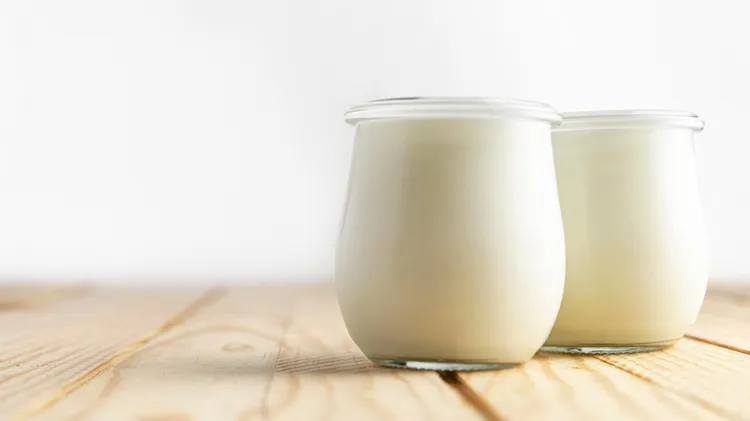
Plain yogurt is one of the most versatile savory cooking ingredients available in any kitchen. Its natural acidity tenderizes meat, its fat content carries flavor, its thickness creates creamy sauces without cream, and its live cultures add a complex tangy depth that no other dairy product replicates. Used correctly, it works as a marinade, a sauce base, a meat tenderizer, a soup enricher, and a finishing drizzle - in cuisines from the Middle East to South Asia to Eastern Europe, and increasingly in modern Western restaurant kitchens.
Most home cooks keep yogurt firmly in the breakfast category - spooned over granola, blended into smoothies, or eaten with fruit. That's fine. But in professional kitchens across the world, plain yogurt occupies a completely different role: it's a workhorse ingredient that adds acidity, creaminess, and depth to savory dishes with minimal effort and maximum return.
The reason it's underused in Western home cooking is largely cultural, not culinary. Cuisines that have worked with yogurt for thousands of years - Persian, Turkish, Indian, Greek, Lebanese - treat it the way French cooking treats cream: as a fundamental building block, not a breakfast topping.
Why Yogurt Works in Savory Cooking
Acidity That Tenderizes Without Toughening
Yogurt contains lactic acid - a mild, slow-acting acid produced during fermentation. This is crucial. Strong acids like lemon juice or vinegar tenderize meat quickly but can also denature surface proteins too aggressively, creating a mushy or tough exterior if left too long.
Lactic acid works more slowly and gently. It penetrates deeper into muscle fibers before the surface proteins tighten, resulting in meat that is tender throughout - not just on the outside. This is why yogurt marinades are particularly forgiving. Chicken marinated in yogurt for 24 hours will be more tender and juicy than chicken marinated in a citrus-based marinade for the same time.
Fat That Carries Flavor Into the Meat
Full-fat yogurt contains enough fat to act as a flavor carrier. When you mix spices, garlic, herbs, or aromatics into a yogurt marinade, the fat molecules bind with fat-soluble flavor compounds and carry them into the meat as it marinates. You get deeper, more even spice penetration than a water-based or acidic marinade alone can deliver.
Heat Behavior - The Critical Thing to Know
Here's the one piece of food science that separates cooks who use yogurt successfully from those who end up with a broken, grainy sauce: yogurt curdles if heated too quickly or at too high a temperature.
The proteins in yogurt - primarily casein - coagulate and separate from the whey when exposed to high heat without stabilization. The fix is simple:
- Temper it: Add a spoonful of the hot liquid to the yogurt first, stir, then add the warmed yogurt back to the dish.
- Stabilize it: Mix 1 teaspoon of cornstarch per cup of yogurt before adding it to a hot dish.
- Use full-fat: Full-fat yogurt is significantly more heat-stable than low-fat or non-fat versions.
- Keep heat low: Stir yogurt into dishes off the heat, or over the lowest possible flame.
"Yogurt in hot dishes is not difficult - it just requires the same respect you'd give cream. Low heat, gentle handling, and it rewards you every time."
What Most Home Cooks Get Wrong About Yogurt in Savory Cooking
Common Mistakes
- Using flavored or sweetened yogurt. This seems obvious but is easy to overlook when grabbing from the fridge. Any sweetener or flavoring added to yogurt will fight against savory dishes. Always use plain, unflavored yogurt.
- Using low-fat or non-fat yogurt in cooked applications. Fat stabilizes yogurt under heat. Low-fat versions split more easily, taste thinner, and carry less flavor. Full-fat is not negotiable for hot applications.
- Adding yogurt directly to a boiling dish. This is the most common cause of curdling. Always temper or reduce heat before incorporating.
- Confusing Greek yogurt and regular yogurt interchangeably. Greek yogurt is strained - it's thicker, tangier, higher in protein, and more concentrated. Regular yogurt is thinner and milder. Both work in savory cooking but produce different textures and intensities.
- Skipping yogurt in marinades because they "look messy." Yogurt marinades look chunky and uneven before cooking. They cook into beautifully caramelized, spiced crusts. Trust the process.
- Only thinking of it as a topping. A yogurt drizzle on finished food is just the beginning. Its most powerful applications happen during cooking, not after.
Which Yogurt Should You Use? A Quick Comparison
| Type | Fat Content | Best Savory Uses |
|---|---|---|
| Full-Fat Plain Yogurt | ~3.5-5% | Marinades, hot sauces, soups, baking, all-purpose savory cooking |
| Greek Yogurt (Full-Fat) | ~5-10% | Dips, dressings, finishing sauces, tzatziki, dolloping on dishes |
| Labneh (strained yogurt) | High | Spread on flatbreads, used like soft cheese, served with olive oil |
| Low-Fat Plain Yogurt | ~1-2% | Cold applications only - dressings, dips, cold sauces |
| Non-Fat Yogurt | ~0% | Not recommended for savory cooking - splits easily, thin flavor |
For most savory cooking purposes, full-fat plain yogurt is the most versatile choice. Greek yogurt works better where thickness and intensity are needed. Labneh is for when you want something closer to a soft cheese in behavior.
Practical Cooking Tips: Where and How to Use Yogurt
As a Meat Marinade
This is yogurt's single most powerful savory application. Mix full-fat plain yogurt with spices, garlic, and a little oil, coat your meat generously, and refrigerate for at least 2 hours - ideally overnight. Works brilliantly with:
- Chicken (thighs and drumsticks especially - the yogurt's acidity penetrates the fat-rich meat perfectly)
- Lamb (chops, leg, or shoulder - yogurt is the classic marinade base for shawarma and Persian kebabs)
- Pork tenderloin (leaner cuts benefit most from yogurt's tenderizing gentleness)
The yogurt chars beautifully under high heat, creating a flavorful, slightly caramelized crust that a plain acidic marinade simply can't produce.
As a Sauce Base
Stir a few tablespoons of full-fat yogurt into pan drippings or a finished braise - off the heat - and you have an instant creamy sauce. It adds richness without the heaviness of cream and brings a subtle tang that lifts the entire dish.
Works particularly well with: roasted lamb, spiced meatballs, grilled eggplant, and roasted root vegetables.
In Soups
Adding yogurt to soups at the finish - always off the heat, always tempered - adds a silky, slightly tangy creaminess that chicken stock or cream alone can't replicate. It's fundamental to Persian and Turkish soup traditions for good reason.
Try it stirred into: lentil soup, roasted tomato soup, cucumber gazpacho (cold), or any spiced vegetable soup.
As a Dip or Spread Base
Full-fat or Greek yogurt beaten with garlic, lemon juice, olive oil, and salt is the foundation of tzatziki, cacık, and dozens of other Eastern Mediterranean dips. It's faster than making mayonnaise and more nutritionally complete. The same base can be seasoned with roasted cumin and coriander for an Indian-leaning dip, or with tahini and lemon for a Middle Eastern one.
As a Flatbread and Dough Ingredient
This is the most underused application in home kitchens. Yogurt added to flatbread or pizza dough acts as a natural leavener (the acidity reacts with baking soda or powder) and a tenderizer. The result is dough that's softer, more pliable, and slightly tangy - significantly better than plain flour-and-water versions.
A simple 2-ingredient flatbread made with self-rising flour and Greek yogurt takes 15 minutes and tastes far better than it has any right to.
As a Finishing Drizzle
A spoonful of cold, full-fat yogurt on a hot dish - roasted vegetables, spiced lentils, lamb meatballs, grilled fish - does what sour cream does but with more acidity, less fat, and more complexity. It also provides temperature contrast that makes each bite more interesting.
Chef's Kitchen Insight
In restaurant kitchens that draw from Middle Eastern, South Asian, or Eastern European traditions, yogurt is used the way stocks and pan sauces are used in French cooking - as a foundational flavor tool that appears throughout the cooking process, not just on the plate at the end.
The specific professional trick worth stealing: whisk yogurt with a small amount of olive oil before using it as a sauce or topping. The oil emulsifies into the yogurt, stabilizing it slightly and giving it a glossier, richer texture that reads as luxurious rather than utilitarian. A little lemon juice and a pinch of salt, and you have a restaurant-quality finishing sauce that took 90 seconds to make.
Fun Fact
Yogurt has been used as a meat tenderizer for at least 8,000 years - some of the earliest archaeological evidence of yogurt production comes from ancient Mesopotamia, where fermented milk was used in cooking long before refrigeration existed. The reason it survived and spread across so many cultures isn't tradition for tradition's sake - it's that it genuinely works better than most alternatives, and humans figured that out millennia before food science had the language to explain why.
Rethink What's Already in Your Fridge
There's a common pattern among the most useful cooking ingredients: they're usually already in your kitchen, they're inexpensive, and they're dramatically underused because of habit rather than availability.
Yogurt is exactly that ingredient. Full-fat, plain, and unremarkable looking - it is quietly one of the most capable savory cooking tools in the modern kitchen. It tenderizes, enriches, stabilizes, thickens, and finishes. It works in the morning and at dinner. It bridges cuisines and techniques.
The only change required is a small one: buy plain full-fat yogurt instead of flavored, and start reaching for it when a dish needs creaminess, acidity, or depth. The rest follows naturally.
Quick Recap
- Yogurt's lactic acid tenderizes meat more gently and deeply than strong acids like lemon juice or vinegar - making it the ideal marinade base for chicken, lamb, and pork.
- Full-fat yogurt is significantly more heat-stable than low-fat versions - always use full-fat for any cooked application.
- Yogurt curdles when heated too quickly; temper it by adding hot liquid slowly before incorporating, or stabilize with a teaspoon of cornstarch per cup.
- Greek yogurt (strained) is thicker, tangier, and higher in protein - best for dips, dressings, and finishing sauces; regular full-fat yogurt is better for marinades and hot dishes.
- Whisking yogurt with a small amount of olive oil before using it as a sauce stabilizes it and gives it a glossier, richer restaurant-quality texture.
- Yogurt added to flatbread or pizza dough acts as a natural tenderizer and leavener, producing softer, more flavorful results.
- A spoonful of cold yogurt on a hot finished dish - roasted vegetables, lentils, grilled meat - adds acidity, creaminess, and temperature contrast simultaneously.
- Yogurt has been used in savory cooking for over 8,000 years - its widespread use across Persian, Turkish, Indian, Greek, and Lebanese cuisines is evidence of genuine culinary effectiveness, not just tradition.
Latest