Herb swirl bread
Herb swirl bread is a flavorful homemade bread featuring a blend of fresh and dried herbs, creating an aromatic swirl. Ideal for accompanying meals, this recipe guides you through activating yeast, making the dough, and rolling in the herb mixture before baking.
Cook time 30 min
Prep time 120 min
Ingredients:
1.50 cups water1 tsp yeast
1 tsp sugar
3 cups all-purpose white wheat flour
1 cup basil leaves
1/3 cup dried oregano
1/3 cup chives
2 tbsp fresh thyme
2 garlic cloves
1/3 cup olive oil
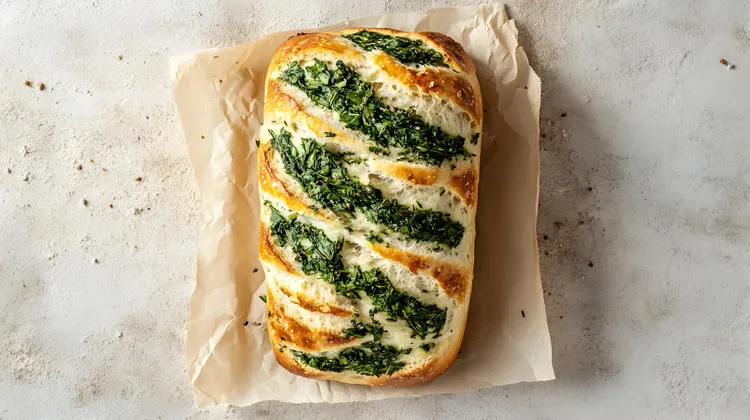
Herb swirl bread is a delightful and aromatic treat that's perfect for any meal. This recipe combines a medley of fresh and dried herbs with a tender, homemade bread dough to create a flavorful swirl that's as beautiful as it is delicious. Whether you're a seasoned baker or a beginner, this herb swirl bread is a rewarding and enjoyable baking project.
Instructions:
- In a small bowl, mix 1.5 cups of warm water (around 110°F / 43°C) with 1 tsp of sugar until the sugar is dissolved.
- Sprinkle 1 tsp of yeast over the water and let it sit for about 5-10 minutes, or until the mixture becomes frothy.
- In a large mixing bowl, combine 3 cups of all-purpose white wheat flour.
- Pour the activated yeast mixture into the flour.
- Mix until all the ingredients come together to form a dough. You can use your hands or a stand mixer with a dough hook attachment.
- Transfer the dough to a lightly floured surface and knead for about 8-10 minutes, or until the dough is smooth and elastic.
- If the dough is too sticky, add a little more flour, 1 tablespoon at a time, until you achieve the right consistency.
- Place the dough in a lightly greased bowl, cover it with a clean kitchen towel or plastic wrap, and let it rise in a warm place for about 1-2 hours, or until it has doubled in size.
- While the dough is rising, prepare the herb mixture.
- In a small bowl, combine 1 cup of chopped basil leaves, 1/3 cup dried oregano, 1/3 cup chopped chives, 2 tbsp chopped fresh thyme, and 2 minced garlic cloves.
- Mix in 1/3 cup olive oil until the herbs and garlic are well-coated.
- Once the dough has risen, punch it down to release any air bubbles.
- On a lightly floured surface, roll the dough out into a rectangle, approximately 12x18 inches.
- Spread the herb and garlic mixture evenly over the rolled-out dough, leaving a small border around the edges.
- Starting from the long edge of the rectangle, tightly roll the dough into a log.
- Pinch the seams and the ends to seal the log.
- Place the bread log seam-side down on a baking sheet lined with parchment paper or lightly greased.
- Cover the dough with a kitchen towel or plastic wrap and let it rise for another 30-45 minutes, or until it has slightly puffed up.
- Preheat your oven to 375°F (190°C).
- Once the dough has risen, remove the cover and bake it in the preheated oven for about 30-35 minutes, or until the bread is golden brown and sounds hollow when tapped on the bottom.
- Remove the bread from the oven and let it cool on a wire rack for at least 30 minutes before slicing.
Enjoy your homemade herb swirl bread fresh out of the oven, with its perfect blend of basil, oregano, chives, thyme, and garlic infused in every bite. It's wonderful served on its own, as a side to soups and salads, or as the base for a variety of sandwiches. Share this fragrant and savory bread with friends and family, and relish the compliments as they savor every bite.
Herb swirl bread FAQ:
Bake the herb swirl bread in a preheated oven at 375°F (190°C) for about 30-35 minutes. The bread should be golden brown and sound hollow when tapped on the bottom.
The bread is done when it reaches a golden brown color and sounds hollow when tapped on the bottom. You can also use a food thermometer; the internal temperature should reach around 190°F (88°C).
Store leftover herb swirl bread in an airtight container at room temperature for up to 3 days. For longer storage, wrap it in plastic wrap and freeze for up to 3 months. Thaw and reheat as needed.
Yes, you can substitute fresh herbs with dried ones, but use less since dried herbs are more concentrated. For example, use about 1/3 of the amount of dried herbs compared to fresh.
If the dough is too sticky during kneading, gradually add more flour, 1 tablespoon at a time, until it reaches the right consistency. Be cautious not to add too much flour, as it can affect the texture of the bread.
Cooking Tips:
- Ensure Water Temperature is Correct: Use lukewarm water (around 110°F or 43°C) to activate the yeast correctly. Water that's too hot can kill the yeast, while water that's too cold can slow the activation process.
- Chop Herbs Finely: Finely chopping the herbs ensures they are evenly distributed throughout the dough, contributing consistent flavor in every bite.
- Knead Dough Properly: Kneading the dough for 8-10 minutes helps develop the gluten, resulting in a well-structured and airy bread. The dough should become smooth and elastic.
- Proof the Dough Twice: After the initial rise, punch down the dough gently, shape it, and allow it to rise again. This second proofing helps achieve a better texture in the final bread.
- Use Olive Oil Generously: Olive oil not only adds flavor but also helps in creating a soft crust. Brush the dough with olive oil before adding the herb mixture and prior to baking.
- Check for Doneness: Bake the bread until it is golden brown and sounds hollow when tapped on the bottom. An internal temperature of around 190°F (88°C) indicates that the bread is fully baked.
Nutrition Facts
8 ServingsCalories 200kcal
Protein 7g
Carbohydrates 40g
Fiber 4.80g
Sugar 1.04g
Fat 11g
More recipes
Tomato carpaccio salad with rocket
A refreshing Tomato Carpaccio Salad with arugula and basil.
21 Apr 2026Ricotta, tomato & basil torte
A savory ricotta, tomato & basil torte that's easy to make.
21 Apr 2026Chilled fresh tomato and basil soup
A refreshing chilled tomato and basil soup for hot days.
21 Apr 2026