Sushi rice
Sushi rice, or 'shari', is essential for sushi, combining vinegar, sugar, and salt for a perfect balance of flavor and texture. This simple recipe guides you through rinsing, soaking, cooking, and seasoning the rice for optimal results.
Cook time 15 min
Prep time 20 min
Ingredients:
2 cups white rice2 cups water
1/2 cup vinegar
2 tbsp sugar
1 tsp salt
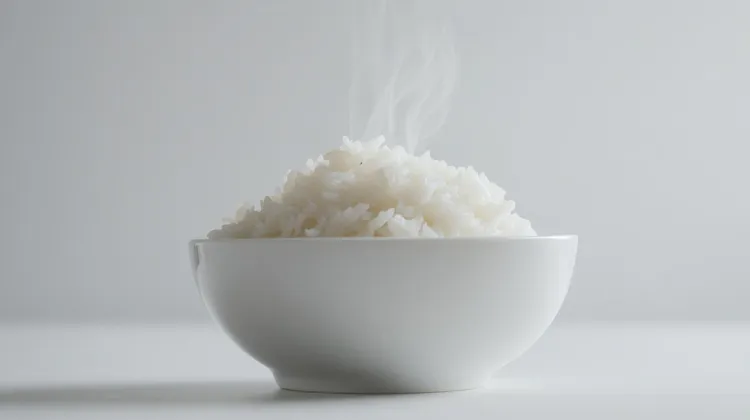
Sushi rice, known as 'shari' or 'sumeshi' in Japanese, is the foundation of any good sushi. Preparing perfect sushi rice involves achieving the right balance of vinegar, sugar, and salt to give it that distinctive taste and texture. Whether you're making nigiri, maki, or any other sushi variation, the quality of your sushi rice can make or break your dish. Follow this recipe to create sushi rice that complements your sushi ingredients beautifully.
Instructions:
- Place the 2 cups of white rice in a fine-mesh strainer and rinse it under cold running water.
- Use your hands to gently swish the rice around to remove excess starch.
- Rinse until the water runs clear.
- Transfer the rinsed rice to a medium-sized pot or rice cooker bowl.
- Add 2 cups of water and let the rice soak for 30 minutes. This step is crucial for achieving the right texture.
- If using a rice cooker, set it according to the manufacturer's instructions for white rice.
- If using a pot, cover it with a lid and bring the water and rice to a boil over medium heat.
- Once boiling, reduce the heat to low and let it simmer, covered, for about 15-20 minutes. Do not lift the lid during this time.
- After cooking, turn off the heat and let the rice sit, covered, for an additional 10 minutes.
- While the rice is cooking, combine 1/2 cup of rice vinegar, 2 tablespoons of sugar, and 1 teaspoon of salt in a small saucepan.
- Heat the mixture over low heat and stir until the sugar and salt are completely dissolved. Do not let it boil.
- Remove from heat and let it cool to room temperature.
- Transfer the cooked rice to a large mixing bowl or a traditional wooden sushi rice bowl (hangiri).
- Pour the vinegar mixture evenly over the hot rice.
- Use a rice paddle or wooden spatula to gently fold and cut through the rice to evenly distribute the seasoning. Be careful not to mash the rice.
- As you fold, fan the rice with a handheld fan or a piece of paper to cool it down to room temperature quickly. This helps to give the rice a glossy appearance.
- Let the seasoned rice sit at room temperature for about 10 minutes before using it to make sushi. This allows the flavors to meld together nicely.
- Your sushi rice is now ready to use in making sushi rolls, nigiri, or sushi bowls.
- Make sure to cover any unused rice with a damp cloth to keep it from drying out.
By following these steps, you'll have created perfectly seasoned sushi rice that's ready to be paired with your favorite sushi ingredients. Remember, great sushi starts with great sushi rice. Enjoy your homemade sushi!
Sushi rice FAQ:
If using a pot, simmer the rinsed and soaked rice for about 15-20 minutes on low heat. Do not lift the lid during this time. After cooking, let it sit covered for an additional 10 minutes. If using a rice cooker, follow the manufacturer's instructions for white rice.
While you can use brown rice, it requires a different cooking time and may change the texture and flavor of your sushi. Brown rice typically takes longer to cook and needs more water.
Rice vinegar is traditionally used for sushi rice due to its mild flavor. You can substitute it with white vinegar if rice vinegar is not available, but the taste may differ slightly.
Cover any unused sushi rice with a damp cloth to prevent it from drying out. If you need to store it longer, refrigerate it in an airtight container for up to 2 days. Reheat gently before use.
You can use honey or agave syrup as a substitute for sugar in the seasoning. Adjust the quantity to your taste, as these alternatives can be sweeter.
Cooking Tips:
- Rinse the rice thoroughly: This removes excess starch and prevents the rice from becoming too sticky.
- Let the rice soak: Allowing the rice to soak in water for about 30 minutes before cooking helps it cook more evenly.
- Use a wooden spoon to mix in the vinegar mixture: This prevents the rice from getting crushed and helps maintain its fluffy texture.
- Fan the rice while mixing: This helps to cool the rice quickly, giving it a glossy finish.
- Use a non-metallic bowl: The vinegar may react with metal, altering the taste of the rice.
- Keep the rice covered with a damp cloth: This prevents it from drying out while you prepare the sushi.
Nutrition Facts
4 ServingsCalories 460kcal
Protein 8g
Carbohydrates 100g
Fiber 1.50g
Sugar 8g
Fat 0.78g
More recipes
Horenso no goma-ae (spinach & sesame salad)
Enjoy a light spinach salad with nutty sesame dressing.
21 Apr 2026Wombok & pork okonomiyaki
Savoury Wombok & pork okonomiyaki pancakes drizzled with sauce.
21 Apr 2026Broccoli and shrimp tempura
Enjoy crispy broccoli and shrimp tempura with a flavorful dipping sauce.
21 Apr 2026Vegetable miso soup with tofu and broccoli
Nutritious vegetable miso soup with tofu and broccoli, easy to prepare.
21 Apr 2026