Fresh Garlic vs Garlic Powder
Most cooks assume garlic powder is just a convenient shortcut for fresh - a lesser substitute you reach for when you're out of the real thing. That assumption gets the relationship exactly backwards. Fresh garlic and garlic powder are chemically different ingredients that taste different, behave differently under heat, and genuinely excel in different situations.
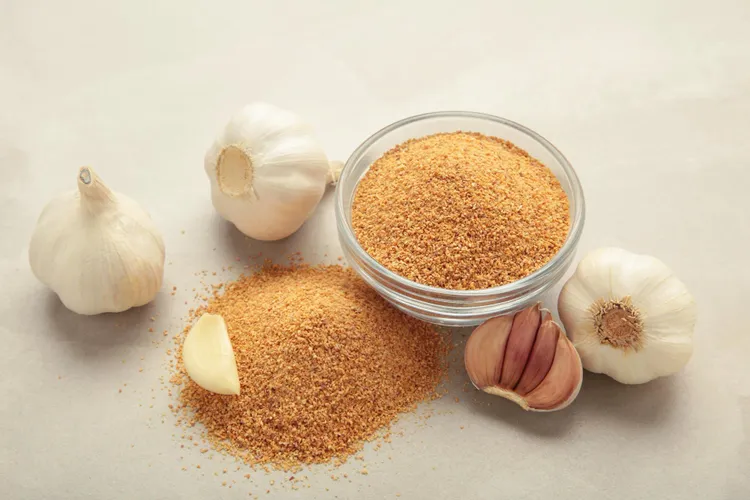
Consider two dishes: a slow-roasted lamb shoulder, fragrant with deep, sweet, caramelised garlic threaded through the meat - and a dry-rubbed chicken wing, evenly coated with a crisp, intensely savoury crust that somehow tastes more purely of garlic than any clove you've ever bitten into. The first used fresh garlic. The second used powder. Both were exactly right.
The mistake most home cooks make is treating these as the same ingredient in different forms - one fresh, one lazy. They are not. They contain different chemical compounds, behave differently under heat and moisture, distribute differently in food, and produce genuinely different flavours. Understanding the distinction makes you a meaningfully better cook in about five minutes.
Fresh garlic delivers bright, complex, pungent flavour with aromatic volatiles that bloom in fat and develop further with heat. It's ideal for dishes where garlic is a featured flavour - sautéed bases, roasted whole cloves, raw preparations like aioli or bruschetta, and any dish cooked in a pan with oil.
Garlic powder delivers concentrated, even, mellow garlic flavour that distributes uniformly and clings to dry surfaces. It excels in dry rubs, spice blends, doughs, marinades, and anywhere you need consistent garlic flavour without moisture or texture. In some applications, it simply outperforms fresh.
Why They Taste Different: The Chemistry of Garlic
The flavour of garlic doesn't exist inside an intact clove. It's created by a chemical reaction the moment the clove is cut, crushed, or chewed. A compound called alliin, stored safely in the garlic's cells, comes into contact with an enzyme called alliinase when those cells are ruptured. The two react almost instantly to produce allicin — the sharp, pungent, sulphurous compound responsible for garlic's signature bite.
This reaction is fast, volatile, and temperature-sensitive. Allicin begins breaking down within minutes of being created, and heat destroys the alliinase enzyme entirely, preventing the reaction from occurring. This is why raw garlic tastes sharper than cooked garlic, why whole roasted garlic cloves taste sweet and mild, and why garlic added at the start of cooking tastes completely different from garlic added at the end.
What Happens During Drying
Garlic powder is made by slicing garlic, drying it at low temperature, and grinding it fine. The drying process drives off the volatile aromatic compounds responsible for fresh garlic's sharp top notes. What remains is a concentrated profile of the deeper, earthier, more stable flavour compounds: sweeter, rounder, and less aggressive than fresh.
This isn't degradation - it's transformation. Garlic powder doesn't taste like inferior fresh garlic. It tastes like a different kind of garlic flavour, one that happens to be better suited to certain applications than fresh ever could be.
"Fresh garlic and garlic powder don't taste the same because they aren't the same. One is a vegetable. The other is a spice."
What Most People Get Wrong
| Myth | Fact |
|---|---|
| Garlic powder is just a substitute for fresh garlic when you've run out. | Garlic powder is a distinct ingredient with its own strengths. In dry rubs, spice blends, and doughs, it consistently outperforms fresh - not as a compromise, but as the right tool. |
| Fresh garlic is always superior — more flavour means better cooking. | Fresh garlic's sharp, volatile compounds burn easily, distribute unevenly, and can turn bitter in high-heat applications. In a dry rub or bread dough, fresh garlic introduces unwanted moisture and uneven flavour. |
| More garlic always means more garlic flavour. | Overcooked fresh garlic turns bitter and acrid. Over-used garlic powder in a dry application can taste musty. Both require restraint - the goal is depth, not dominance. |
| Garlic powder in a hot pan works just like fresh. | Garlic powder scorches almost instantly in a dry hot pan - it has no moisture to slow it down. It should be added to wet ingredients, sauces, or off the heat. |
When Each One Wins
Fresh Garlic - Use When Garlic Is the Star
- Sautéed in oil as a flavour base
- Slow-roasted whole until sweet and caramelised
- Raw in dressings, aioli, bruschetta, and dips
- Infused into butter or cream
- Pasta aglio e olio and similar dishes where garlic is the point
- Added at the end of cooking for bright, sharp punch
- When texture (thin slices, whole cloves) matters in the dish
Garlic Powder - Use When Garlic Is the Background
- Dry rubs for meat, fish, and vegetables
- Spice blends and seasoning mixes
- Bread doughs and crackers (avoids wet spots)
- Marinades that need even distribution
- Soups and stews for consistent, mellow depth
- Popcorn, roasted nuts, and dry-coated snacks
- Any recipe where moisture from fresh garlic would be a problem
Getting the Best from Both
Bloom fresh garlic in fat, not water
Fresh garlic's aromatic compounds are fat-soluble - they dissolve into and travel through oil or butter far more effectively than through water. Always sauté fresh garlic in fat before adding liquid. Thirty seconds in warm oil extracts more garlic flavour than ten minutes simmering in broth.
Control the heat carefully with fresh garlic
Fresh garlic burns faster than almost anything else in a hot pan. Medium heat, constant attention, and adding garlic after the onion has softened is the professional approach. If the garlic looks pale gold, it's perfect. If it looks brown and smells sharp rather than sweet - it's gone too far and will flavour everything bitterly.
Add garlic powder to wet ingredients, not dry hot pans
Garlic powder has no moisture protection. In a dry, hot pan it scorches in seconds. Stir it into sauces, marinades, or wet spice pastes, or add it to a dish that already has liquid in it. In dry rubs, it's fine because the heat it encounters during cooking is on the exterior of meat, where moisture quickly develops.
Use both together for layered garlic flavour
Adding garlic powder to a dish that also contains fresh garlic doesn't double the same flavour - it adds a different register. The powder provides a steady, even background note. The fresh provides the bright, volatile top note. Together they create a garlic flavour more complex and complete than either alone. Try it in a garlic butter, a tomato sauce, or a spice-rubbed roast.
The Substitution Ratio (When You Have No Choice) ⅛ teaspoon garlic powder = 1 medium clove of fresh garlic. This is approximate - the flavour profile differs enough that the swap is never perfect. For raw applications (salad dressings, dips), fresh cannot be replaced at all. For cooked applications, the substitution is reasonable.
Don't confuse garlic powder with garlic salt or granulated garlic
Garlic powder is finely ground dried garlic - nothing else. Garlic salt is garlic powder mixed with salt (typically 3:1), which throws off seasoning if used as a substitute. Granulated garlic is coarser-ground with a different texture and dissolution rate - better in rubs where texture is desirable, while powder works better in smooth sauces and doughs.
Practical Decision Table
| Application | Best Choice | Why |
|---|---|---|
| Dry rub for steak or chicken | Garlic powder | Adheres evenly, no moisture, withstands high heat on the surface |
| Pasta sauce sautéed in oil | Fresh garlic | Fat-soluble aromatics bloom in oil, creating complex layered flavour |
| Aioli or garlic bread spread | Fresh garlic | Raw sharpness and texture are essential to the dish's character |
| Bread dough or pizza base | Garlic powder | Distributes evenly without wet spots; fresh garlic can create uneven dough |
| Slow-cooked stew or braise | Both | Fresh adds depth during long cook; powder provides even background note |
| Roasted whole cloves | Fresh garlic | Caramelisation creates sweet, nutty flavour impossible to replicate with powder |
| Popcorn or seasoned snacks | Garlic powder | Coats evenly, clings to dry surfaces, no moisture issues |
| Quick weeknight soup | Garlic powder | Dissolves instantly, no risk of undercooking, consistent flavour every time |
How Professional Kitchens Use Both
The idea that professional kitchens only use fresh garlic is a myth sustained by people who have never worked in one. Garlic powder appears regularly in spice mixes, dry rubs, house seasoning blends, and as a background note in dishes that also use fresh. The choice is always context-driven, never ideological.
The key professional habit is understanding when each form of garlic is doing its work. Fresh garlic sautéed at the start of a sauce is doing something entirely different from a raw clove grated into a finishing vinaigrette, which is again different from the garlic powder blended into the spice crust on a piece of meat. A skilled cook uses all three moments deliberately.
One specific professional technique worth borrowing: adding garlic powder to a butter sauce or pan sauce at the very end of cooking for a rounded, integrated garlic note that disappears into the sauce in a way that a raw or barely-cooked clove never quite does.
The allicin reaction that creates garlic's flavour can be deliberately manipulated by timing. If you crush a garlic clove and let it sit for 10 minutes before cooking, the alliinase enzyme has time to fully convert alliin to allicin. Cooking it immediately after crushing halts the reaction early, producing a milder result. Letting it rest produces more allicin - and more flavour. This ten-minute trick requires no extra ingredients and noticeably intensifies garlic's impact in any cooked dish.
Fresh garlic and garlic powder are not ranked - they are different. One is a vegetable that creates its flavour through an enzymatic reaction sensitive to heat, timing, and preparation. The other is a spice, shelf-stable and consistent, that delivers a different register of garlic flavour in applications where fresh would actually perform worse.
The best-tasting garlic dishes tend to use whichever form - or combination of forms - is genuinely right for the application. A good cook doesn't default to one and apologise for the other. They know what each does, and they choose accordingly.
Fresh for the pan. Powder for the rub. Both for the dishes that deserve the full range.
In Short
- Fresh garlic's flavour is created by a chemical reaction (alliin + alliinase → allicin) that only begins when the clove is cut or crushed - and is halted by heat.
- Garlic powder is not inferior fresh garlic - it's a different ingredient with a sweeter, earthier, more stable flavour profile suited to different applications.
- Fresh garlic excels in fat-based sautés, raw preparations, roasting, and anywhere it's a featured flavour.
- Garlic powder excels in dry rubs, spice blends, doughs, and anywhere you need even distribution without moisture or texture.
- Garlic powder scorches instantly in a dry hot pan - always add it to wet ingredients or sauces, never directly into empty hot oil.
- Fresh garlic's aromatics are fat-soluble - always bloom it in oil or butter before adding liquid to maximise flavour extraction.
- Using both together creates layered garlic flavour more complex than either alone - try it in butter sauces, braises, and spice pastes.
- Crushing fresh garlic and resting it for 10 minutes before cooking maximises allicin production and intensifies flavour noticeably.
Latest