Overcooked Steak? Don't Throw It Away
An overcooked steak feels like an irreversible failure - but how irreversible it actually is depends on how far over it went and which technique you apply in the next few minutes. Some methods genuinely restore moisture and tenderness. Others pivot the steak into something better than the original plan. None require starting over.

You pulled the steak off the heat and immediately knew. The thermometer confirmed what your instincts were already telling you. What was supposed to be medium-rare is now well-done, or past it. The cut that cost good money is dry, tight, and coloured all the way through.
Before you mentally write it off, it's worth understanding exactly what happened inside that piece of meat - because the science determines which rescues are possible and which are wishful thinking.
When steak is overcooked, muscle proteins contract and squeeze out moisture - a process that cannot be fully reversed. However, the perceived dryness and toughness can be significantly reduced by reintroducing fat through butter basting, resting with compound butter, slicing thinly against the grain, or serving with a rich pan sauce.
Mildly overcooked steaks can be served with minimal intervention. Significantly overcooked steaks are best pivoted - sliced thin, dressed with sauce, or repurposed into a dish where tenderness expectations are lower.
What Overcooking Does to Meat
Steak is composed of muscle fibres - long protein strands bundled together and surrounded by connective tissue. As internal temperature rises, these proteins denature and contract, physically squeezing moisture out of the fibres. The critical threshold is around 65-70°C (150-160°F), where actin proteins contract aggressively and expel moisture with significant mechanical force.
Simultaneously, intramuscular fat (marbling) continues rendering. Up to around medium (60°C / 140°F), fat rendering lubricates the fibres and contributes to juiciness. Beyond that point, much of the fat has pooled in the pan. Both sources of perceived juiciness - retained moisture and intramuscular fat - are lost to excess heat.
This is why a fatty cut like ribeye is so much more forgiving when overcooked than a lean sirloin. More marbling means more lubrication available even after moisture is gone.
"You can't put moisture back inside a protein fibre. But you can coat every surface with fat and acid - and that's often enough to make people forget it was ever overcooked."
Know Your Severity: Not All Overcooking Is Equal
Level 1 - Slightly Over (Medium to Medium-Well) 65-70°C / 150-160°F. Pink centre gone but meat still has some give. Most fixes apply here - a generous rest with compound butter or a good sauce is often enough to serve confidently.
Level 2 - Well-Done (Firm, No Pink) 70-75°C / 160-165°F. Noticeably drier and firmer but still cohesive. Slicing against the grain, butter resting, and a bold sauce become essential. Can still be served as steak.
Level 3 - Severely Overcooked (Tough, Grey) Above 75°C / 165°F. Not enjoyable as intact steak. Best approach: pivot to a different preparation - steak sandwiches, stir-fry, hash, or a dressed salad.
Steak Doneness and Rescue Potential at a Glance
| Doneness | Internal Temp | Texture | Rescue Potential |
|---|---|---|---|
| Rare | 50-52°C / 120-125°F | Very soft, bright red centre | N/A - not overcooked |
| Medium-Rare | 55-57°C / 130-135°F | Yielding, warm red centre | N/A - ideal target |
| Medium | 60-63°C / 140-145°F | Firm, pink throughout | Good - rest with butter, sauce on the side |
| Medium-Well | 65-68°C / 150-155°F | Slightly pink, noticeably firm | Good - compound butter rest, slice thin, bold sauce |
| Well-Done | 70-74°C / 160-165°F | No pink, chewy, dry | Limited - slice very thin, sauce essential |
| Severely Over | 75°C+ / 165°F+ | Tough, leathery, grey | Pivot to a new dish |
What Most People Get Wrong
| Myth | Fact |
|---|---|
| Putting overcooked steak back in a hot pan saves it. | More heat makes overcooked steak worse. It drives off remaining moisture and tightens proteins further. Brief butter basting is the only valid "back on the heat" approach. |
| Resting is pointless once it's overcooked. | Resting is more important, not less. As temperature drops, contracted fibres reabsorb some expelled juices. A 5-10 minute rest under compound butter meaningfully improves final texture. |
| Adding water or stock directly to the steak rehydrates it. | Water cannot re-enter contracted muscle fibres. Sauces work by coating every slice with moisture per bite - not by rehydrating the meat. |
| The cut doesn't matter once overcooked. | Cut matters enormously. A fatty ribeye overcooked to well-done is far more forgiving than a lean sirloin. Marbling is the best insurance against a dry result. |
7 Ways to Rescue an Overcooked Steak - Ranked by Effectiveness
1. Rest Immediately Under Compound Butter ✅ Most Effective - All Levels
Place the steak on a warm plate the moment it comes off the heat and immediately lay a thick disc of compound butter on top - garlic and herb, anchovy, blue cheese, or plain salted butter. As the steak rests, the butter melts and seeps into every surface crevice, coating the exterior fibres with fat. The heat of the steak bastes itself. The single most effective immediate intervention for any level of overcooking.
2. Slice Thinly Against the Grain ✅ Most Effective - All Levels
Cutting against the muscle fibres shortens them mechanically - what was a long, chewy fibre becomes a short, tender one. For a well-done steak, slicing very thinly (3-4mm) against the grain transforms the eating experience dramatically. This is why thinly sliced well-done beef in a steak sandwich works perfectly even from an overcooked cut.
3. Dress Cut Surfaces with Acid and Fat ✅ Most Effective - Levels 1 and 2
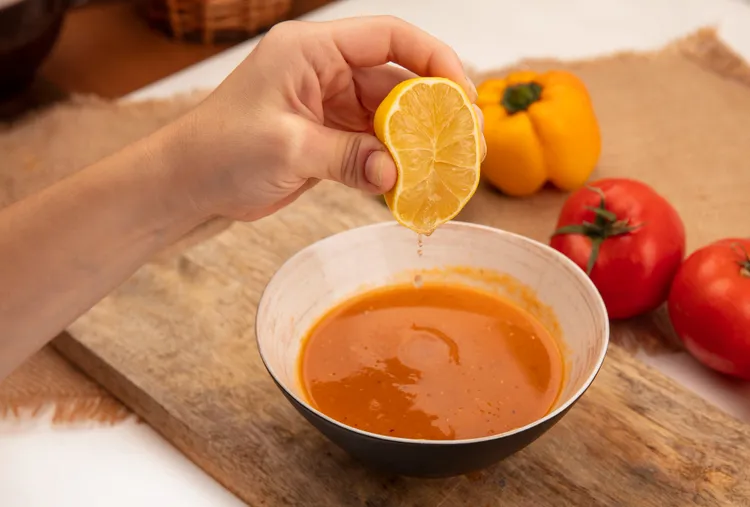
Slice the steak and immediately dress the cut surfaces with good olive oil and acid - lemon juice, red wine vinegar, or sherry vinegar. Acid stimulates saliva and cuts through the perception of dryness; fat coats each surface and provides lubrication with every bite. A chimichurri, salsa verde, or simple vinaigrette applied to warm sliced steak achieves both simultaneously. Apply while the meat is still warm.
4. Brief Butter Baste If Still on the Heat ⚠️ Works Well - Early Catch Only
If you catch the overcooking while the steak is still in the pan, reduce to the lowest heat immediately and add butter, a crushed garlic clove, and thyme. Tilt the pan and spoon the foaming butter over the steak for 30-45 seconds, then remove. Act fast - this window closes within a minute.
5. Build a Pan Sauce and Serve Over Slices ⚠️ Works Well - All Levels
Deglaze the pan with red wine or stock, reduce by half, finish with cold butter or cream. Pour over thinly sliced steak. Every bite now arrives coated in rich, savoury sauce. This is exactly what restaurant kitchens do when steak overcooks.
6. Slice and Simmer Briefly in Stock or Sauce ⚠️ Works Well - Levels 2 and 3
Slice thinly and simmer for 2-3 minutes maximum in well-seasoned stock, gravy, or tomato-based sauce. The basis for steak in pepper sauce, beef stroganoff, and steak fajita filling. Don't simmer too long - overcooked meat in extended liquid becomes stringy.
7. Pivot: Repurpose Into a Different Dish 🔵 Strategic Pivot - Level 3
Build steak sandwiches with bold condiments where bread and toppings carry the meal. Dice and stir-fry with vegetables and soy sauce. Chop into a hash with potatoes and fried eggs. The steak's flavour is still excellent - let a different preparation showcase it.
The Fastest Fix When Guests Are Already Waiting Slice the steak thinly against the grain, fan on a warm plate, drizzle with good olive oil and a squeeze of lemon, season with flaky salt and cracked pepper, serve immediately. The olive oil and acid do the perceptual work. Thin slices do the mechanical work. Nobody needs to know what happened.
Practical Tips: How to Prevent It Next Time
Use a meat thermometer - every single time
Remove the steak from heat 3-5°C below the target temperature. Carryover cooking during the rest brings it to the correct final temperature. Touch tests and timing guidelines are approximations; a thermometer removes all variability.
Understand carryover cooking
When a steak rests, internal temperature continues to rise 3-5°C as residual heat migrates inward. A steak pulled at 52°C reaches 55-57°C during rest - perfect medium-rare. Always pull early. This is the most commonly misunderstood aspect of steak cookery and the primary source of avoidable overcooking.
Choose a forgiving cut when stakes are high
A ribeye with good marbling has a much wider tolerance window than a lean sirloin. When cooking for a crowd or when attention is divided, the extra fat acts as insurance.
What Restaurants Do When Steak Goes Wrong
In a professional kitchen, an overcooked steak is never sent to the dining room as-is - and it's almost never thrown away. The kitchen's first instinct is the pan sauce: the fond and available stock are immediately converted into a rich accompaniment that transforms the presentation from "overcooked steak" to "steak au jus" - a legitimately excellent dish.
The second instinct is repurposing: that steak becomes tomorrow's staff meal sandwich, or sliced thin in a composed salad. Nothing with good flavour is wasted. The same principle holds at home.
The Maillard reaction - the browning chemistry responsible for a steak's seared crust and deeply savoury flavour - is entirely unaffected by whether the interior is overcooked. A steak with a perfect crust can have a well-done interior, and the crust's flavour compounds remain just as complex regardless. This is why a well-done steak that has been properly seared still tastes far better than one steamed or boiled to the same temperature. It's also why the pan drippings from even an overcooked steak - loaded with Maillard compounds - can produce a sauce more flavourful than the steak itself.
Overcooked steak is not ruined steak. The muscle proteins have contracted and moisture has been expelled - permanent changes. But perceived juiciness, tenderness, and satisfaction can all be substantially restored through fat, acid, thin slicing, and smart repurposing.
The best fix is always prevention: a thermometer, an understanding of carryover cooking, and a proper rest. But when prevention fails, the rescue is simpler than you think.
Slice it thin. Dress it well. Build a sauce. Or make the sandwich that people ask about for weeks.
The Parts Worth
- Overcooking causes muscle proteins to contract and expel moisture - a permanent change, but one whose effects can be significantly masked with fat, acid, and technique.
- Severity determines the fix: mildly overcooked responds to butter resting and sauce; severely overcooked is best repurposed entirely.
- The most effective immediate fixes: compound butter rest, thin slicing against the grain, and dressing cut surfaces with olive oil and acid while still warm.
- Never return an overcooked steak to a hot pan for more cooking - brief butter basting is the only valid "back on the heat" approach.
- A rich pan sauce built from drippings transforms overcooked steak into a legitimately excellent dish - this is exactly what restaurant kitchens do.
- Fatty cuts like ribeye are far more forgiving of overcooking than lean cuts - marbling is the best natural insurance against a dry result.
- Always pull steak 3-5°C below your target temperature - carryover cooking during the rest brings it to the correct final temperature.
- The Maillard crust remains flavourful regardless of interior doneness - pan drippings from even an overcooked steak are the foundation of an excellent sauce.
Latest