Pan vs Grill: Which Makes Better Steak?
Is steak better on a grill or in a pan? Both methods can produce incredible results - but they create very different flavors, textures, and crusts. Understanding the science of heat and surface contact will help you choose the best method for your kitchen.
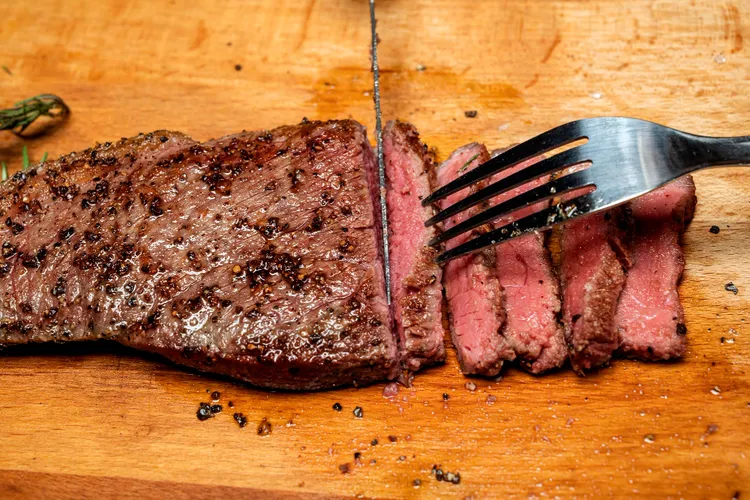
Why Do Grilled Steaks Taste Smoky, but Pan-Seared Steaks Have Better Crust?
If you’ve ever compared a cast-iron steak to one cooked over charcoal, you probably noticed two differences:
-
The grilled steak smells smoky and feels slightly firmer.
-
The pan-seared steak has a deeper, more even crust.
That’s not random. It comes down to how heat transfers to meat.
Let’s break it down clearly.
Which Makes Better Steak?
Neither method is universally better - they create different strengths.
Pan-searing produces a more consistent, deeply browned crust because of full surface contact. Grilling creates smoky flavor and char from open flame and fat drippings. The “better” method depends on whether you value crust intensity or smoky complexity.
Why This Happens
The key difference between pan and grill cooking is how heat reaches the meat.
There are three main types of heat transfer:
-
Conduction (direct contact)
-
Convection (hot air)
-
Radiation (infrared heat from flame or coals)
Each method uses these differently.
Why Pan-Seared Steak Develops a Better Crust
When steak sits in a hot pan - especially cast iron - the entire surface makes contact with hot metal.
This creates powerful conduction heat.
More contact = more Maillard reaction.
The Maillard reaction is the chemical process responsible for:
-
brown crust
-
deep savory flavor
-
roasted aroma
Since the pan touches the whole surface evenly, browning is more consistent.
Result:
-
thicker crust
-
richer flavor
-
more even color
Why Grilled Steak Tastes Smokier
Grills cook using:
-
radiant heat from flames or coals
-
hot air circulation
-
minimal direct contact
Only the grill grates touch the steak directly.
But here’s the big difference:
When fat drips onto coals or burners, it vaporizes and creates smoke.
That smoke rises and coats the meat.
That’s where grilled flavor comes from.
You cannot fully replicate that indoors without smoke.
Moisture Evaporation Is Different
In a pan:
-
Juices stay near the meat.
-
Steam can build up if overcrowded.
On a grill:
-
Moisture drips away.
-
Airflow dries the surface faster.
This often gives grilled steak a firmer outer texture.
What Most People Get Wrong
Myth 1: Grill Marks Mean Better Flavor
Grill marks look dramatic.
But they only brown a small percentage of the surface.
Between the marks, the steak is often less caramelized.
A fully seared pan steak often has more total browning.
Myth 2: Grilling Is Always Healthier
Both methods can be healthy when done properly.
Grilling may reduce some surface fat as it drips away.
But flare-ups can create charred compounds if uncontrolled.
Balanced cooking matters more than method.
Myth 3: You Can’t Get a Crust on a Grill
You can - but it requires:
-
extremely high heat
-
thick steak
-
dry surface
Most home grills don’t reach the intense searing power of cast iron unless preheated very well.
Practical Cooking Tips: How to Get the Best Results From Both
For Pan-Seared Steak
-
Use cast iron or heavy stainless steel.
-
Preheat thoroughly - at least 5 minutes.
-
Pat steak dry before cooking.
-
Use high-smoke-point oil.
-
Add butter at the end for flavor.
Bonus tip:
Tilt the pan and spoon melted butter over steak during the last minute.
For Grilled Steak
-
Preheat grill fully (at least 10-15 minutes).
-
Clean and oil grates.
-
Use two heat zones (direct and indirect).
-
Sear first, then finish on cooler side if needed.
-
Avoid flare-ups by trimming excess fat.
Bonus tip:
Close the lid to create oven-like convection for thicker steaks.
Common Mistakes With Both Methods
-
Cooking steak straight from the fridge
-
Not resting after cooking
-
Using thin cuts that overcook quickly
-
Flipping too frequently without heat recovery
-
Forgetting to monitor internal temperature
A thermometer dramatically improves results regardless of method.
Many Restaurants Use Both
High-end steakhouses often combine methods.
Example technique:
-
Sear steak in a hot pan for crust.
-
Finish in oven or under broiler.
-
Rest properly before serving.
Some chefs grill for smoke flavor, then finish in a pan with butter and herbs.
Professional cooking isn’t about loyalty to one method - it’s about layering strengths.
When to Choose Each Method
Choose Pan-Searing If:
-
You want maximum crust.
-
You’re cooking indoors.
-
You’re using butter-basting techniques.
-
You want precise temperature control.
Best for:
Ribeye, strip steak, filet mignon.
Choose Grilling If:
-
You want smoky flavor.
-
You’re cooking outdoors.
-
You’re serving multiple steaks.
-
You enjoy charred texture contrast.
Best for:
T-bone, porterhouse, flank steak.
Can You Combine Pan and Grill?
Yes - and it’s powerful.
Reverse searing method:
-
Cook steak gently over indirect heat or in oven.
-
Finish with high-heat sear in pan or over direct flame.
This creates:
-
even doneness
-
intense crust
-
minimal overcooking
Many professionals prefer this method for thick cuts.
Cast Iron Can Reach Higher Surface Contact Than Most Home Grills
Cast iron holds heat extremely well.
Once preheated, it recovers temperature quickly after steak is added.
That stability is why pan-seared steaks often develop darker, more dramatic crust compared to standard gas grills.
Commercial charcoal grills can match it - but many home setups cannot.
It Depends on What You Value Most
If you want the deepest crust and full-surface browning, the pan usually wins.
If you crave smoke, flame, and outdoor character, the grill shines.
The best steak isn’t about equipment - it’s about understanding heat transfer and controlling moisture.
Master those, and either method can produce steak that rivals restaurants.
Key Learnings
-
Pan-searing creates stronger crust due to full surface contact.
-
Grilling adds smoky flavor from fat drippings and flame.
-
Maillard reaction requires high heat and dry surface.
-
Grill marks look impressive but don’t equal full browning.
-
Preheating is essential for both methods.
-
Resting steak after cooking improves juiciness.
-
Reverse searing combines the best of both worlds.
-
Temperature control matters more than cooking method.
Latest