The Biggest Steak Cooking Mistakes Home Cooks Make
Cooking steak at home seems simple - hot pan, good meat, done. Yet many steaks turn out dry, gray, chewy, or lacking restaurant-quality flavor. The difference usually comes down to a few small mistakes that dramatically affect texture and juiciness.
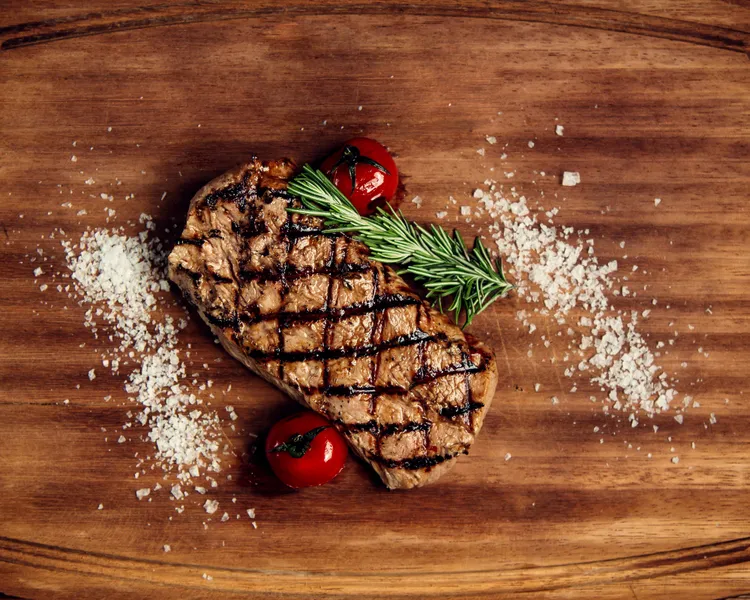
Why Does Restaurant Steak Taste Better Than Homemade?
Many people assume restaurants use better beef or secret seasonings.
But professional kitchens often succeed because they avoid common cooking mistakes, not because they use complicated techniques.
Most steak problems happen before the meat even touches the pan.
What Are the Biggest Steak Cooking Mistakes?
The most common steak mistakes include cooking cold meat straight from the fridge, using low heat, overcrowding the pan, under-seasoning, flipping incorrectly, and slicing too soon. Small changes in heat control and timing make the biggest difference in juiciness and flavor.
Good steak cooking is mostly about managing moisture and heat.
Why This Happens
Steak Success Is About Heat and Moisture Control
A great steak depends on something called the Maillard reaction.
This is the chemical process that creates the brown crust and deep savory flavor when proteins and sugars react at high temperatures.
But moisture blocks this reaction.
If the surface of steak is wet or the pan isn’t hot enough, the meat steams instead of sears.
Steamed steak becomes:
-
gray
-
soft
-
less flavorful
That iconic crust only forms when heat stays high and dry.
Muscle Fibers Tighten Quickly
Steak cooks fast.
Too much heat for too long causes muscle fibers to contract aggressively, squeezing out moisture.
That’s why overcooked steak feels dry even if it started with good marbling.
Precision matters more than time.
What Most People Get Wrong About Cooking Steak
Mistake №1: Cooking Steak Straight From the Refrigerator
Cold meat cooks unevenly.
The outside overcooks while the center struggles to warm up.
Let steak sit at room temperature for about 20-30 minutes before cooking.
This promotes more even doneness.
Mistake №2: Not Drying the Steak
Surface moisture is the enemy of browning.
Even high heat struggles against water.
Quick fix:
Pat steak completely dry with paper towels before seasoning.
This single step dramatically improves crust formation.
Mistake №3: Using a Pan That Isn’t Hot Enough
Many home cooks fear high heat.
But steak needs it.
If the pan doesn’t sizzle immediately, it isn’t ready.
Signs your pan is hot enough:
-
oil shimmers
-
steak loudly sizzles on contact
No sound usually means poor browning.
Mistake №4: Moving the Steak Too Much
Constant flipping prevents crust development.
When steak first hits the pan, proteins stick temporarily.
As browning develops, it releases naturally.
Leave it alone long enough to form color.
Mistake №5: Under-Seasoning
Restaurants season aggressively.
Salt enhances flavor and helps surface browning.
A helpful rule:
Season until it looks slightly excessive - much of it stays on the pan.
Salt also begins dissolving surface proteins, improving texture.
Mistake №6: Overcrowding the Pan
Too many steaks reduce temperature instantly.
Crowding traps steam.
Cook in batches if necessary.
Airflow and space maintain searing heat.
Mistake №7: Skipping the Resting Step
Cutting immediately releases juices.
Resting allows moisture redistribution.
Even a perfect steak loses quality without this step.
Rest at least:
-
5 minutes for smaller steaks
-
8-10 minutes for thick cuts.
Practical Cooking Tips for Better Steak Every Time
1. Choose Thickness Over Size
Thin steaks overcook quickly.
Ideal thickness:
2.5-4 cm (1-1.5 inches).
Thicker steaks allow better crust while keeping a juicy center.
2. Use the Right Fat
Butter alone burns quickly.
Better options:
-
neutral oil
-
avocado oil
-
sunflower oil
Add butter later for flavor.
This prevents burning while keeping richness.
3. Flip More Often Than You Think
Old advice suggested flipping once.
Modern testing shows flipping every 30-60 seconds can cook steak more evenly while still developing crust.
Less temperature shock means better moisture retention.
4. Use a Thermometer (Professionals Do)
Guessing causes overcooking.
Internal temperature guide:
-
Rare: 50°C / 122°F
-
Medium rare: 54-57°C / 130-135°F
-
Medium: 60°C / 140°F
Remove steak slightly early due to carryover cooking.
5. Finish With Butter and Aromatics
During the last minute:
Add:
-
butter
-
garlic
-
thyme or rosemary
Tilt the pan and spoon melted butter over steak.
This technique adds aroma and richness quickly.
Common Steak Troubleshooting
Steak Is Gray Instead of Brown
Cause:
Low heat or wet surface.
Fix:
Dry meat and preheat pan longer.
Steak Is Tough
Possible reasons:
-
overcooked
-
sliced incorrectly
-
poor resting
Always slice against the grain.
Steak Burns Outside but Is Raw Inside
Cause:
Pan too hot for thin steak.
Solution:
Use thicker cuts or finish briefly in oven.
Restaurants Pre-Dry Steak
Many steakhouses salt steaks hours in advance and leave them uncovered in refrigeration.
This process:
-
dries the surface
-
improves browning
-
enhances seasoning penetration.
At home, even salting 30-60 minutes ahead helps noticeably.
This technique alone moves results closer to restaurant quality.
Should You Cook Steak in Butter or Oil?
Best answer: both - but at different times.
Oil handles high heat searing.
Butter adds flavor near the end.
Cooking entirely in butter often causes burning before proper crust forms.
Fun Fact: The Sound of Steak Cooking Actually Matters
Professional chefs listen carefully when cooking steak.
A strong, steady sizzle means moisture is evaporating correctly.
If sizzling stops suddenly, the pan temperature likely dropped.
In many kitchens, chefs adjust heat based on sound as much as sight.
Great Steak Comes From Avoiding Small Mistakes
Perfect steak rarely requires complicated techniques.
Most improvements come from managing moisture, heat, and timing.
Dry surface. Hot pan. Proper seasoning. Resting afterward.
Avoiding just a few common mistakes can transform home cooking results dramatically - often matching restaurant-quality steak with surprisingly little extra effort.
What to Remember
-
Dry steak before cooking to improve browning.
-
Use high heat to trigger the Maillard reaction.
-
Avoid overcrowding the pan.
-
Season generously with salt.
-
Let steak warm slightly before cooking.
-
Flip occasionally for even cooking.
-
Always rest steak before slicing.
-
Use oil for searing and butter for finishing flavor.
-
A thermometer prevents overcooking.
Latest