Why Are Bananas Technically Berries? The Food Science Explained
Most people assume a berry is small, round, and slightly tart - think blueberries or raspberries. But botanical science has a very different definition, and it turns the fruit bowl completely upside down. Bananas qualify as true berries. Strawberries don't.
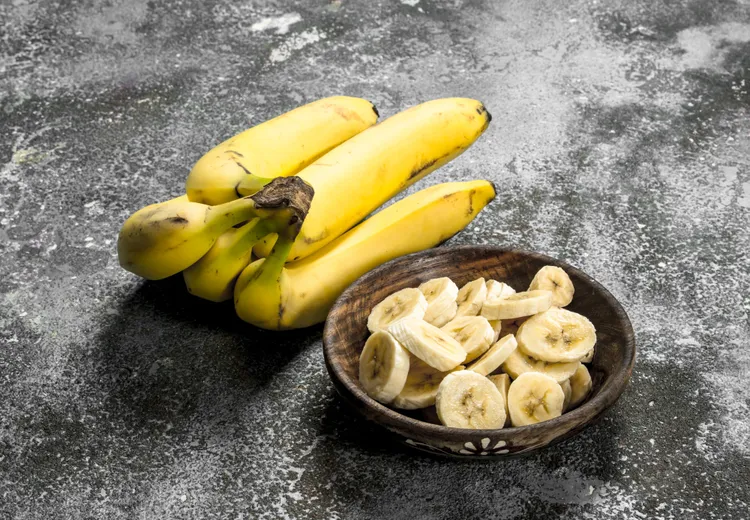
That Banana in Your Kitchen Is Officially a Berry
Strawberries aren't berries. Raspberries aren't berries. But bananas, avocados, and watermelons? All technically berries - at least according to botanists.
This isn't a trick or a technicality people invented to win arguments at dinner parties. It's grounded in real plant science, and once you understand the logic, it actually makes complete sense.
Why Is a Banana a Berry?
In botany, a berry is a fleshy fruit that develops from a single flower with one ovary and typically contains seeds embedded within the flesh. Bananas tick every box: they develop from a single ovary, their entire flesh is the edible part of the ripened ovary wall, and the seeds (tiny and vestigial in cultivated bananas) are distributed throughout the fruit.
The berries you buy at the grocery store - strawberries, raspberries, blackberries - fail that test in different ways. Most of them are either "aggregate fruits" or "accessory fruits," not true berries at all.
Why This Happens: The Botanical Definition vs. the Culinary One
Here's where the confusion lives: botany and cooking use different definitions for the same word.
In cooking and everyday language, "berry" means small, brightly coloured, often tart, and eaten by the handful. That's a culinary definition - based on taste, size, and how we use the fruit.
In botany, a berry is defined structurally, not visually. It must:
- Develop from a single flower containing one ovary
- Have all three layers of the ovary wall become fleshy and edible (the exocarp, mesocarp, and endocarp)
- Have seeds enclosed within that fleshy tissue
A banana satisfies all three conditions. The outer peel is the exocarp. The soft, sweet flesh is the mesocarp and endocarp. The tiny dark specks running down the centre of a ripe banana? Those are the vestigial seeds.
What Makes Something a "True" Berry?
True botanical berries include:
- Bananas
- Avocados (yes, really)
- Tomatoes
- Grapes
- Kiwis
- Watermelons and most melons
- Peppers (capsicums)
- Cucumbers
What Most People Get Wrong
Myth 1: "Berries are small and sweet"
Size and flavour have nothing to do with the botanical classification. A watermelon is technically a berry. A blueberry technically is also a berry (one of the few culinary berries that qualifies botanically too). But the reason we call most things berries has more to do with cultural habit than science.
Myth 2: "Strawberries are berries"
Strawberries are actually accessory fruits - the red, fleshy part you eat isn't the ripened ovary at all. It's the enlarged receptacle (the base of the flower). The true "fruits" of a strawberry are the tiny yellow-green seed-like bits on the outside, called achenes.
Myth 3: "Raspberries and blackberries are berries"
These are aggregate fruits - each little bubble is a separate tiny fruit (a drupelet) that developed from different ovaries of the same flower. They don't meet the single-ovary requirement for berries.
Myth 4: "The banana's seeds are missing so it can't be a fruit"
Cultivated bananas (like the Cavendish variety most people eat) are sterile triploids, meaning their seeds never fully develop. But the vestigial seed structures are still there - they just don't grow into anything viable. This is a human-engineered quirk of agricultural breeding, not a disqualifier from fruit classification.
Practical Cooking Tips: What This Actually Means in the Kitchen
Understanding how fruits are classified can genuinely improve how you cook with them. Here's what's useful to take from this:
1. Bananas ripen (and cook) like what they are: starchy fruits
Botanically, a banana is closer to a tomato than a raspberry. That's reflected in how it behaves when you cook it. Unripe bananas are starchy and firm - almost savoury - which is why green bananas are used in dishes like Jamaican green banana curry, Jamaican run-down, or plantain-based recipes (plantains are the cooking banana variety). As they ripen, starches convert to sugars, which is exactly why overripe bananas are the best choice for banana bread.
Kitchen rule: The browner the banana, the more sugar it contains - and the better it will taste in baked goods.
2. Store bananas away from other fruits
Bananas (like avocados and tomatoes - also technically berries) produce ethylene gas as they ripen. Ethylene triggers ripening in nearby produce. If you store bananas next to apples or stone fruit, everything ripens faster. Useful when you want to speed things up; a problem when you're trying to make fruit last.
3. Freeze overripe bananas - don't throw them out
Once a banana is past eating, peel it, seal it in a zip-lock bag, and freeze it. Frozen overripe bananas become the backbone of smoothies, banana nice cream (blended frozen banana = creamy, ice-cream texture), and baked goods. They last up to three months in the freezer.
4. Acidulate bananas like you would any cut fruit
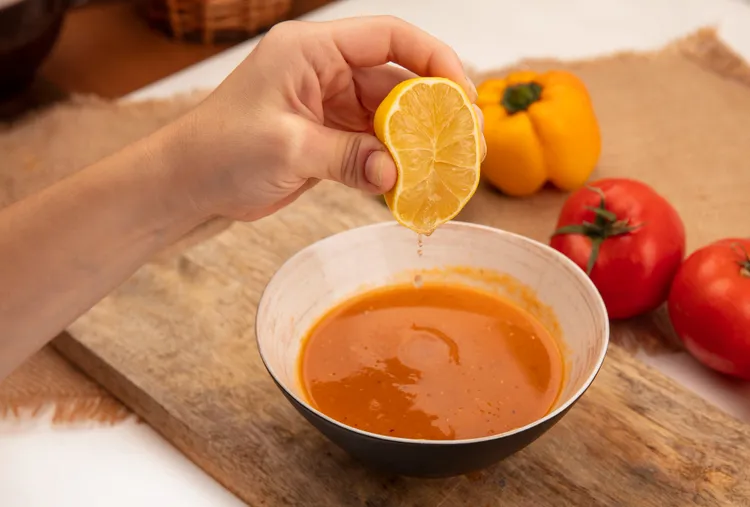
Cut bananas oxidise and turn brown fast - the same way apples or avocados do. A squeeze of lemon or lime juice slows the browning. This matters when you're making fruit salads, tarts, or plated desserts where presentation counts.
Treating Bananas as a Serious Cooking Ingredient
In professional kitchens, bananas get treated more like a versatile cooking ingredient than a simple snack fruit.
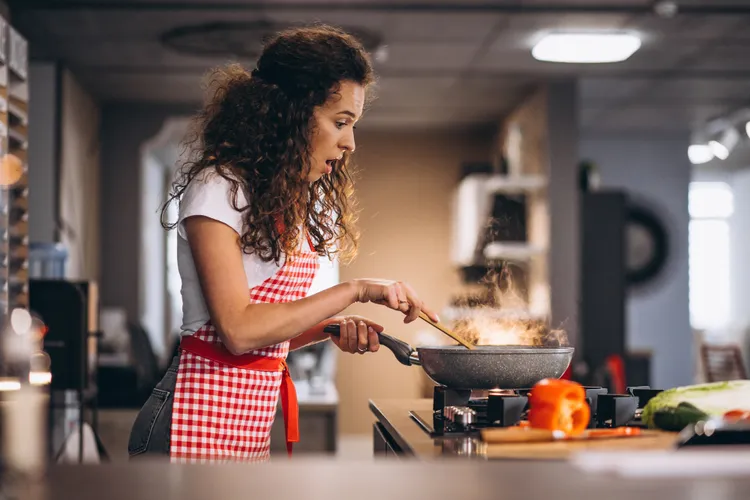
The technique of flambéed bananas (Bananas Foster, originally from New Orleans) works because ripe bananas have enough sugar to caramelise quickly in a hot pan. Butter, brown sugar, cinnamon, and rum or banana liqueur - cooked fast over high heat - turns bananas into a restaurant-quality dessert in under five minutes.
On the savoury side, green (unripe) bananas and plantains are standard ingredients in West African, Caribbean, and South American cooking. Their starchy texture makes them suitable for frying, boiling, mashing, and roasting - closer to how you'd cook a potato than a berry.
Chefs also use banana leaves (technically the plant's leaf, not the fruit) as a natural wrapping material for steaming fish, rice, or tamales. The leaf imparts a subtle grassy flavour and keeps moisture locked in during cooking.
Fun Fact: Bananas Are Clones
Here's the fact worth texting to someone right now.
Every Cavendish banana you've ever eaten is genetically identical to every other Cavendish banana. The variety is propagated by cuttings - not seeds - which means the entire global banana supply is essentially one enormous clone.
This is why the banana industry is so vulnerable to disease. The Gros Michel banana, which was the dominant commercial variety until the 1950s, was wiped out by a fungal disease called Panama disease (Fusarium wilt). The Cavendish replaced it - but it's currently under threat from a new strain of the same fungal disease, Tropical Race 4 (TR4).
The next banana you eat in twenty years may be a completely different variety.
The Takeaway That Changes How You See the Fruit Bowl
The banana-as-berry fact isn't just pub trivia - it's a useful reminder that culinary language and scientific language describe the same world differently. When you cook, both matter. Understanding what a fruit actually is (its structure, its starch-to-sugar ratio, how it ripens, how it reacts to heat) makes you a better, more intuitive cook.
A banana behaves like a starchy, ethylene-producing, caramelisable, freeze-friendly, versatile cooking ingredient - because that's exactly what it is. Whether you call it a berry or not.
Key Learnings
- A banana is a true botanical berry because it develops from a single flower ovary with seeds embedded in the flesh and all layers of the ovary wall are fleshy.
- Strawberries, raspberries, and blackberries are not true botanical berries - they are accessory and aggregate fruits.
- Culinary "berry" and botanical "berry" use completely different definitions - one is based on flavour and appearance, the other on plant structure.
- Other surprise berries include: avocados, tomatoes, grapes, watermelons, cucumbers, and peppers.
- Overripe bananas are sweeter because starch converts to sugar as they ripen - use them for baking, not fresh eating.
- Bananas produce ethylene gas and speed up the ripening of nearby fruit - store them separately when you want to slow things down.
- Freeze overripe bananas to preserve them for smoothies, nice cream, and baked goods.
- Cavendish bananas are genetic clones - the entire commercial supply is one variety, which makes it vulnerable to disease.
Latest