Why Should Meat Rest After Cooking?
Cut into a steak immediately after cooking and you’ll often see juices flood the plate. Wait a few minutes instead, and the same meat becomes noticeably juicier and more tender. Resting meat isn’t a chef myth - it’s a simple piece of food science that dramatically improves results at home.
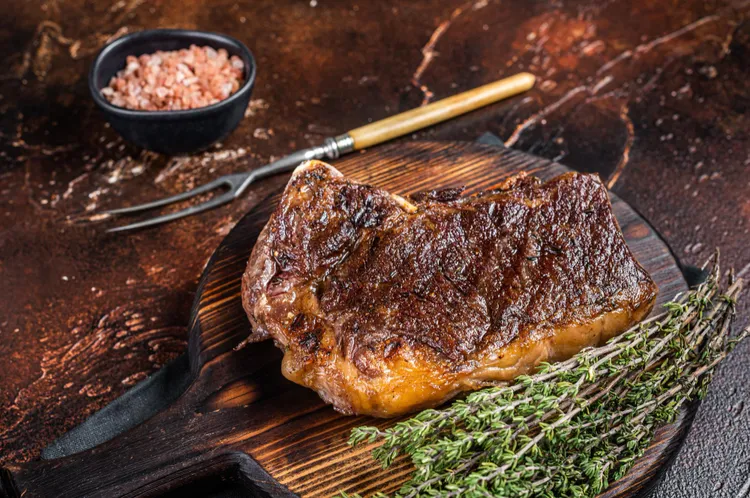
Why Does Juice Pour Out When You Slice Meat Too Soon?
Many home cooks spend time choosing good meat, seasoning carefully, and cooking to the perfect temperature - only to lose flavor seconds later.
The moment the knife cuts in, juices spill everywhere.
It looks impressive, but it actually means moisture that should be inside the meat is now on your cutting board.
Resting prevents this - and the reason comes down to how heat changes muscle structure.
Why Should Meat Rest After Cooking?
Meat should rest after cooking because heat forces juices toward the center of the meat. Resting allows those juices to redistribute and muscle fibers to relax, helping the meat retain moisture when sliced.
In simple terms: resting keeps the juice in the meat instead of on the plate.
Why This Happens
Meat Is Mostly Water Held Inside Muscle Fibers
Raw meat contains about 70-75% water trapped inside microscopic muscle cells.
When meat cooks, several things happen:
-
Proteins tighten.
-
Muscle fibers contract.
-
Water gets pushed inward.
Think of it like squeezing a sponge.
As temperature rises, pressure builds inside the meat.
Heat Pushes Juices Toward the Center
During cooking:
-
Outer layers heat first.
-
Moisture moves toward cooler areas inside.
That’s why freshly cooked meat has concentrated liquid under pressure.
If you slice immediately, those juices escape quickly.
Resting gives time for pressure to equalize.
Carryover Cooking Continues After Heat Stops
Another important factor is carryover cooking.
Even after removing meat from heat, internal temperature continues rising.
Typical increases:
-
Steak: +3-5°C (5-10°F)
-
Large roast: +10-15°C (up to 25°F)
Residual heat finishes cooking gently while juices settle.
This improves tenderness without drying the exterior.
Muscle Fibers Relax During Resting
As meat cools slightly:
-
protein fibers loosen
-
internal pressure drops
-
moisture redistributes
Instead of flowing out instantly, juices remain trapped between fibers.
Result:
More moisture in every bite.
What Most People Get Wrong About Resting Meat
Myth 1: Resting Makes Meat Cold
Proper resting does not make meat cold.
Large cuts retain heat extremely well.
In fact, resting often improves final temperature consistency.
If covered loosely, meat stays warm while finishing internally.
Myth 2: Only Steak Needs Resting
Almost all cooked meats benefit from resting:
-
steak
-
chicken
-
pork chops
-
roasted turkey
-
lamb
-
brisket
The larger the cut, the more important resting becomes.
Myth 3: Resting Is Only About Juice Loss
Resting also improves texture.
Immediate slicing causes fibers to tighten rapidly.
Rested meat feels softer and more tender.
Myth 4: Longer Resting Is Always Better
Too much resting can cool food excessively.
Balance matters.
Practical Cooking Tips: How Long Should Meat Rest?
Here’s a simple chef-friendly guide.
Resting Time by Meat Type
Steaks and small cuts
-
5-10 minutes
Chicken breasts or pork chops
-
5-8 minutes
Whole chicken
-
15-20 minutes
Large roasts
-
20-40 minutes
Brisket or barbecue meats
-
Up to 1 hour or longer (wrapped)
Bigger cuts store more heat and need more time.
Should You Cover Meat While Resting?
Yes - but loosely.
Tent with foil instead of wrapping tightly.
Why?
Tight wrapping traps steam and softens crust or crispy skin.
Loose covering keeps warmth while protecting texture.
Where Should Meat Rest?
Best options:
-
warm plate
-
cutting board with juice groove
-
rack over tray (great for roasts)
Avoid cold surfaces that rapidly pull heat away.
When Should You Season or Sauce?
Professional timing:
-
Season before cooking.
-
Rest meat.
-
Slice.
-
Finish with sauce or butter.
Adding sauce too early can soften crust.
Common Resting Mistakes
-
Cutting immediately after cooking
-
Wrapping tightly in foil
-
Resting in a cold drafty area
-
Forgetting carryover cooking when timing meals
-
Letting meat sit in pooled juices (bottom becomes soggy)
A rack solves this easily.
Restaurants Build Resting Into Timing
In professional kitchens, resting isn’t optional - it’s part of service planning.
Chefs often remove steaks slightly early because they know resting will finish cooking perfectly.
This allows:
-
better timing with side dishes
-
even doneness edge to center
-
consistent texture
High-end steakhouses sometimes rest large cuts longer than home cooks expect.
That’s one reason restaurant meat feels exceptionally juicy.
Should You Rest Meat After Grilling Too?
Yes - especially after grilling.
Grilling uses intense direct heat, which creates strong internal pressure inside meat.
Without resting:
juices escape rapidly.
Even burgers benefit from a short 3-5 minute rest.
Why Does Rested Meat Slice Better?
When juices stabilize, meat structure becomes firmer.
That means:
-
cleaner slices
-
less tearing
-
better presentation
This matters especially for roasts and barbecue.
Barbecue Pitmasters Sometimes Rest Meat for Hours
In traditional barbecue cooking, large smoked meats like brisket are often rested in insulated containers for extended periods.
This stage is sometimes called a holding rest.
During this time:
-
collagen continues softening
-
juices redistribute deeply
-
texture becomes incredibly tender.
Some experts say this step matters as much as the cooking itself.
Resting Is the Final Step of Cooking
Many people think cooking ends when meat leaves the pan or grill.
In reality, the final stage happens off the heat.
Resting allows temperature to stabilize, muscle fibers to relax, and juices to stay where they belong - inside the meat.
It’s one of the easiest upgrades any home cook can make, requiring no extra ingredients or equipment.
Just patience.
And a few minutes can turn good meat into great meat.
Remember This:
-
Meat continues cooking after removal from heat (carryover cooking).
-
Heat pushes juices toward the center during cooking.
-
Resting allows moisture to redistribute evenly.
-
Cutting too early causes juice loss.
-
Small cuts need about 5-10 minutes of rest.
-
Large roasts may need 20-40 minutes or more.
-
Tent meat loosely with foil instead of wrapping tightly.
-
Resting improves tenderness, flavor, and slicing quality.
Latest