Coconut-almond yogurt
Coconut-almond yogurt is a creamy, plant-based alternative to traditional yogurt, highlighting the rich flavors of coconut and almonds. It's versatile for snacks or toppings and can be fermented for probiotic benefits.
Cook time 0 min
Prep time 315 min
Ingredients:
2 cups almonds2.50 cups coconut milk
2 cups coconut meat
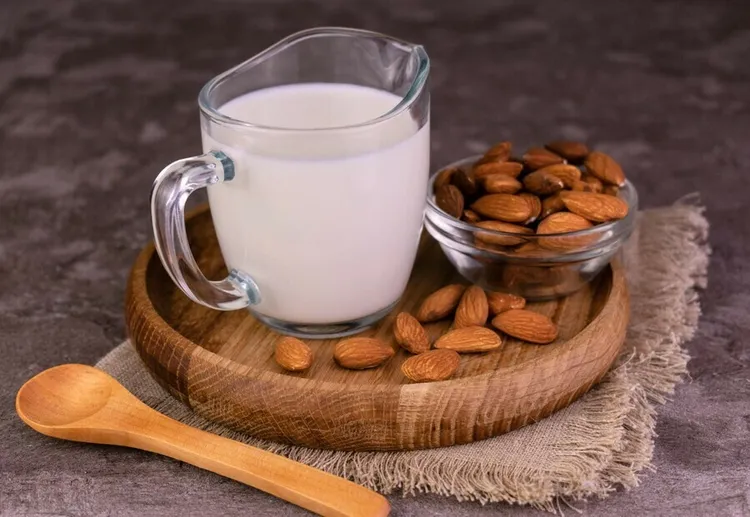
Coconut-almond yogurt is a nutritious and delicious alternative to dairy-based yogurts. Combining the creamy richness of coconut milk with the nutty flavor of almonds, this yogurt is perfect for those seeking a plant-based and gluten-free option. It's excellent on its own, as a base for smoothies, or as a topping for fruit and granola.
Instructions:
- Place the almonds in a bowl and cover with plenty of water. Let them soak for at least 8 hours or overnight. This softens the nuts and makes them easier to blend.
- After soaking, drain and rinse the almonds under cold running water.
- Remove the skins by gently squeezing each almond between your fingers; the skin should slip off easily. This step is optional but makes for a smoother yogurt.
- In your high-speed blender or food processor, combine the soaked and skinned almonds, coconut milk, and coconut meat.
- Blend on high speed until the mixture is very smooth and creamy. This could take a few minutes, depending on your blender's power.
- If you prefer a super-smooth yogurt, you can strain the mixture through a cheesecloth or nut milk bag into a large bowl. Squeeze or press to extract as much liquid as possible.
- If you like a thicker, more textured yogurt, you can skip this step.
- If you want to create a tangy yogurt with probiotics, you can ferment the mixture. Transfer the blended mixture into sterilized jars or containers.
- You can add a probiotic capsule or a spoonful of pre-made yogurt with active cultures to the mixture. Stir well.
- Cover the jars with cheesecloth or a clean kitchen towel and secure with a rubber band.
- Let them sit at room temperature (ideally around 75-80°F or 24-26°C) for 12-24 hours. The longer it ferments, the tangier the yogurt will become.
- After fermentation, cover the jars with lids and transfer them to the refrigerator.
- Allow the yogurt to chill for at least a few hours before serving. It will thicken further as it cools.
- Enjoy your homemade Coconut-Almond Yogurt as is or with your favorite toppings such as fresh fruit, granola, or a drizzle of honey.
- Stir well before serving if any separation has occurred.
In just a few simple steps, you can create a creamy and delightful coconut-almond yogurt right in your own kitchen. This homemade yogurt is not only healthier than many store-bought options but also tailored to your taste preferences. Enjoy this versatile and nourishing treat any time of the day!
Coconut-almond yogurt FAQ:
You should soak the almonds for at least 8 hours or overnight. This softens them, making them easier to blend into a creamy consistency.
Fermentation is optional. If you want a tangy yogurt with probiotics, you should ferment the mixture at room temperature for 12-24 hours. Skipping this step will result in a plain, creamy yogurt.
The yogurt can be stored in the refrigerator for up to a week. Make sure to keep it sealed in jars or containers to maintain freshness.
Yes, using unsweetened coconut milk is a great choice. It will keep the yogurt healthier and allow you to adjust sweetness with toppings if desired.
If you don’t have coconut meat, you can try using more coconut milk or a non-dairy yogurt as a substitute. This may alter the texture slightly but will still yield a creamy yogurt.
Cooking Tips:
- Soak the almonds: Soak the almonds overnight or for at least 8 hours to soften them. This helps in creating a smoother texture and makes blending easier.
- Use fresh coconut meat: For the best flavor and texture, use fresh coconut meat. If unavailable, frozen coconut meat can be a good substitute.
- Blend thoroughly: Ensure you blend the mixture thoroughly to achieve a smooth and creamy consistency. A high-speed blender works best for this.
- Add probiotics: To turn your mixture into yogurt, consider adding a probiotic powder or capsule to introduce beneficial bacteria. This step is optional but recommended for a true yogurt experience.
- Fermentation time: Let the mixture ferment for 24-48 hours in a warm place to develop the tangy yogurt flavor. Use a glass jar covered with a clean cloth to allow airflow.
- Adjust sweetness and flavor: After fermentation, you can add sweeteners like maple syrup, honey, or vanilla extract to taste, if desired.
Nutrition Facts
6 ServingsCalories 500kcal
Protein 10g
Carbohydrates 16g
Fiber 8g
Sugar 6g
Fat 50g
More recipes
Cream cheese and honey multi-grain toast
Quick cream cheese and honey toast on multi-grain bread.
21 Apr 2026Prosciutto paleo breakfast muffins
Delicious Prosciutto Paleo Breakfast Muffins packed with veggies.
21 Apr 2026Coconut and avocado iceblocks
Creamy coconut and avocado iceblocks, dipped in chocolate.
21 Apr 2026Multi-grain toast with almond butter and honey
Enjoy hearty multi-grain toast with almond butter and honey.
21 Apr 2026