Pasta primavera
Pasta primavera is a vibrant dish showcasing fresh vegetables like asparagus, zucchini, and peas, tossed with pasta and a zesty lemon dressing. This light meal is perfect for celebrating seasonal produce with its simple preparation and bright flavours.
Cook time 10 min
Prep time 15 min
Ingredients:
12 oz pasta3/4 lb asparagus
2 zucchini
1 cup peas
1/3 cup olive oil
1/4 cup fresh parsley
2 tbsp lemon zest
2 tbsp lemon juice
1 cup grated parmesan cheese
1/2 cup spearmint
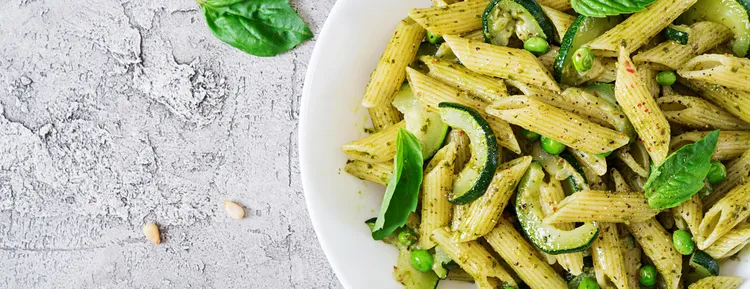
Pasta primavera is a delightful and vibrant dish that celebrates the bounty of fresh vegetables. It's a perfect recipe for a light and healthy meal that's bursting with flavor and color. This recipe combines tender asparagus, zucchini, and peas with a touch of lemon zest and juice, fresh parsley, and spearmint, all tossed with cooked pasta and finished with grated parmesan cheese. It's a simple yet elegant dish that can be enjoyed any time of the year.
Instructions:
- Asparagus: Trim the woody ends off the asparagus, then cut into 1-2 inch pieces.
- Zucchini: Cut the zucchini into thin, half-moon slices.
- Peas: Thaw if using frozen peas or rinse if using fresh peas.
- In a large pot of boiling salted water, cook the pasta according to package instructions until al dente.
- About 2 minutes before the pasta is done, add the asparagus and peas to the pot.
- Drain the pasta and vegetables together, reserving about 1 cup of the pasta cooking water.
- While the pasta is cooking, heat 1/4 cup of the olive oil in a large skillet over medium heat.
- Add the zucchini slices and sauté until they are just tender and starting to brown, about 5-7 minutes. Season lightly with salt and pepper.
- In the same skillet, add the drained pasta and vegetables.
- Add the remaining olive oil, lemon zest, lemon juice, chopped parsley, and spearmint leaves. Toss everything to combine well.
- If the mixture seems dry, gradually add some of the reserved pasta cooking water until the desired consistency is reached.
- Stir in half of the grated Parmesan cheese. Season to taste with salt and pepper.
- Transfer to serving bowls and sprinkle the remaining Parmesan cheese on top.
- Garnish with extra chopped parsley and a drizzle of olive oil, if desired. Serve immediately.
By following these cooking steps and tips, you can create a delicious and refreshing Pasta Primavera that is sure to impress. This dish not only looks beautiful but also tastes amazing, bringing the fresh flavors of spring and summer to your table. Enjoy your homemade Pasta Primavera with family and friends!
Pasta primavera FAQ:
You can use any pasta shape you like, such as penne, fusilli, or spaghetti. Choose a type that holds onto sauces well, but avoid overly large or hollow shapes that may overwhelm the vegetables.
Store leftover Pasta Primavera in an airtight container in the refrigerator for up to 3 days. To reheat, gently warm in a skillet over low heat, adding a splash of water or olive oil to prevent sticking.
Yes, feel free to substitute or add other vegetables such as bell peppers, cherry tomatoes, or broccoli. Just ensure that any substitutes are cooked until tender for the best texture.
To make this recipe gluten-free, use gluten-free pasta. For a vegan option, substitute nutritional yeast for Parmesan cheese and omit it altogether. Additionally, replace olive oil with a plant-based oil if needed.
The cooking time for pasta varies by type, but generally, it takes about 8-12 minutes. Check the package instructions for specific timing, tasting the pasta 1-2 minutes before the suggested cooking time to ensure it's al dente.
Cooking Tips:
- Use fresh, high-quality vegetables to enhance the flavor of the dish.
- Don't overcook the vegetables; they should be tender but still slightly crisp to retain their vibrant color and nutrients.
- Salt the pasta water generously to add flavor to the pasta.
- Reserve a cup of pasta cooking water before draining the pasta; you can use it to adjust the consistency of the sauce if needed.
- Mix in the parmesan cheese while the pasta is still hot so it melts perfectly into the dish.
- Feel free to customize the vegetables based on what's in season or what you have on hand.
Nutrition Facts
4 ServingsCalories 460kcal
Protein 22g
Carbohydrates 80g
Fiber 7g
Sugar 8g
Fat 27g
More recipes
Light and low carb caprese salad
Enjoy a refreshing low-carb Caprese salad with mozzarella and basil.
05 May 2026Whole-wheat fettuccine alfredo with parmesan and butter
Creamy whole-wheat fettuccine alfredo with buttery parmesan.
05 May 2026Spaghetti with sun-dried tomatoes, garlic and chilli
Quick spaghetti with sun-dried tomatoes, garlic, and chili.
05 May 2026Lemon and basil spaghetti
Quick and creamy lemon and basil spaghetti for a refreshing meal.
05 May 2026Double ginger biscotti
Enjoy crispy double ginger biscotti with a hint of white chocolate.
05 May 2026