Don't Pour Away the Pickle Juice - Here's What It Actually Does in Cooking
The moment the last pickle leaves the jar, most people tip the remaining liquid down the sink. This is one of the quieter wastes in the home kitchen - because that brine is a concentrated, ready-made flavour tool that took weeks to develop and costs nothing to keep. Here's what it's actually made of, what it does in cooking, and the applications that will genuinely surprise you.
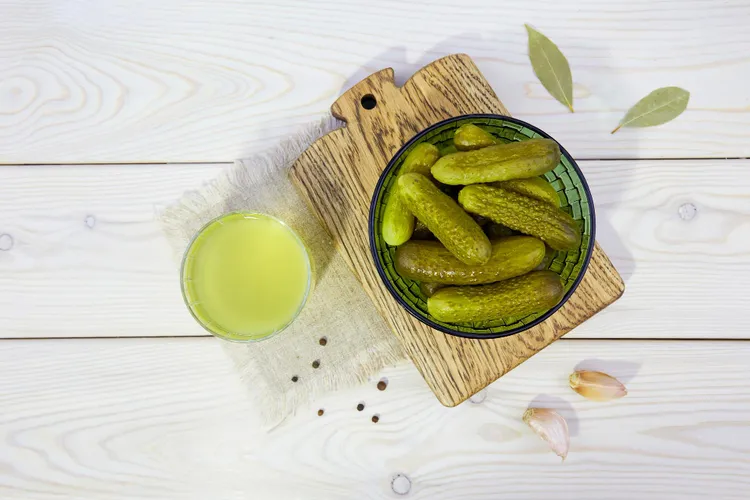
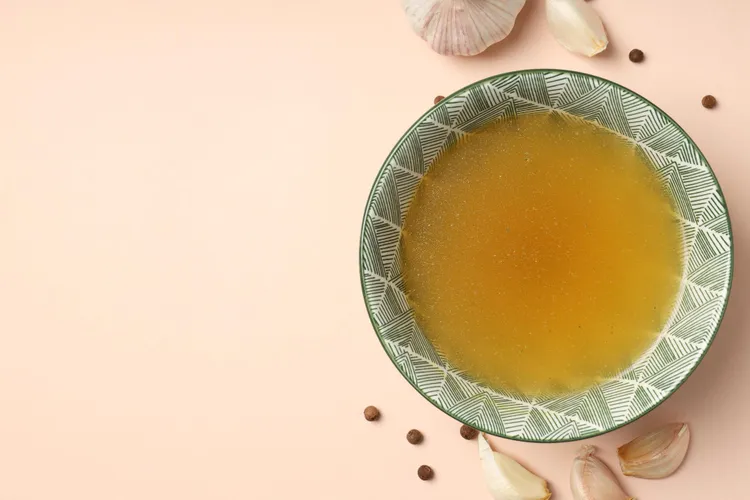
Here's a simple fact that reframes the jar in your fridge: pickle juice is not just vinegar and salt. It's a liquid that has been slowly infused with compounds from the pickling spices, dill, garlic, or chilli - and, in the case of fermented pickles, populated with lactic acid bacteria and their metabolic byproducts. Over weeks of contact with the vegetables, it has become a complex flavour medium that plain vinegar and salt mixed together cannot replicate.
That complexity is what makes it useful - and what makes simply replacing it with vinegar in most applications produce noticeably inferior results.
Pickle juice is a concentrated brine of acid (acetic or lactic), salt, and infused flavour compounds from pickling spices, aromatics, and the vegetables themselves. Its culinary applications go far beyond its obvious use as a tangy liquid: it tenderises and deeply flavours meat as a marinade, produces noticeably better brined chicken than a plain salt solution, rescues flat sauces and dressings through acid-salt brightness, rehydrates cramping muscles faster than water (genuinely and surprisingly effective), and adds depth to cocktails and potato salads that plain vinegar cannot match. It is one of the most useful things routinely discarded in home kitchens.
What Pickle Juice Actually Contains
Understanding why pickle juice is useful starts with understanding what it is - because it's significantly more complex than it looks.
Vinegar-pickled brine
Most commercial pickle juice is based on a vinegar solution (typically white or cider vinegar at 5% acidity) with salt, sugar, and a spice blend that typically includes dill, garlic, mustard seed, coriander, black pepper, and bay leaf. Over the weeks the vegetables spend in this brine:
- Aromatics leach into the liquid. The volatile and water-soluble compounds from garlic, dill, and spices dissolve slowly into the brine, building a flavour profile far more complex than the base vinegar and salt it started as.
- Vegetable compounds transfer. The cucumbers, onions, or other vegetables release their own compounds into the brine - sugars, mineral ions, pectin degradation products - further complicating the flavour.
- The salt concentration stabilises. The salt level in the brine equilibrates with the salt level in the vegetables, settling at a concentration that is both flavourful and functional for cooking applications.
Lacto-fermented brine
Fermented pickle brine (from naturally fermented sauerkraut, kimchi, or traditional dill pickles) is a different and more complex product. Instead of acetic acid from vinegar, the primary acid is lactic acid produced by Lactobacillus bacteria that consumed the natural sugars in the vegetables. This brine:
- Contains live bacteria (if unpasteurised) with the same probiotic properties discussed in our fermented foods article.
- Has a milder, more rounded acidity than vinegar brine - lactic acid has a softer, more complex flavour profile than acetic acid.
- Contains bacterial metabolites - short-chain fatty acids, B vitamins, and other compounds produced during fermentation - that contribute additional flavour complexity.
- Has a lower pH than its acidity might suggest, making it effective in many of the same applications as vinegar brine.
For most cooking applications, both types of brine work well - the fermented version adds more probiotic potential and a slightly different flavour profile; the vinegar version is more widely available.
"Pickle juice took weeks to become what it is. Replacing it with vinegar and salt takes seconds - and produces something completely different."
What Most People Get Wrong
| Myth | Fact |
|---|---|
| Pickle juice is just vinegar and salt - you can make it by mixing both. | Pickle juice contains weeks of infused aromatic compounds from spices, garlic, and dill that plain vinegar and salt entirely lack. The difference in cooking applications is noticeable - particularly in marinades and brines, where the aromatic complexity matters. |
| Pickle juice in cocktails is a gimmick. | The Dirty Martini has included olive brine for decades for the same reason: salt, acid, and complex mineral/aromatic compounds add a savoury dimension to spirits that plain salt or lemon juice cannot replicate. Pickle brine in cocktails is the same principle applied to a different flavour profile. |
| Fermented pickle brine and vinegar pickle brine are interchangeable. | They taste meaningfully different and have different chemical compositions. Fermented brine (lactic acid) is softer and more complex; vinegar brine (acetic acid) is sharper. Both work in most applications, but they produce different results and the probiotic content only applies to unpasteurised fermented brine. |
| Pickle juice for muscle cramps is a myth or placebo. | This is one of the most surprising evidence-backed applications. Studies have found that pickle juice relieves exercise-induced muscle cramps significantly faster than water - in some cases within 35-45 seconds. The mechanism appears to be neurological rather than electrolyte replacement (it works too fast for rehydration to be responsible), likely via a reflex triggered by acetic acid in the mouth and oesophagus. |
| Once the pickles are gone, the juice has no more use. | The brine can be used multiple times - as a marinade, a re-pickling liquid for new vegetables, a dressing base, and a cooking liquid - before its flavour compounds are exhausted. |
The Uses: What Pickle Juice Actually Does in Cooking
1. The Best Fried Chicken Brine
This is arguably pickle juice's highest-value culinary application. Many of the most celebrated fried chicken recipes - including those from Chick-fil-A, which is famously open about this - use pickle brine as the soaking liquid before frying. The reasons are multiple and compounding:
- Salt deeply seasons the meat. The brine's salt penetrates the chicken muscle fibres through osmosis during an extended soak (4-24 hours), seasoning from within rather than just on the surface.
- Acid tenderises the surface proteins. The acetic or lactic acid partially denatures the surface proteins, contributing to a more tender, less rubbery texture in the cooked chicken.
- Aromatic compounds infuse flavour. Unlike a plain salt brine, the pickle brine carries the garlic, dill, and spice compounds deep into the chicken. The resulting flavour is more complex than salt alone - even when the pickle character itself is subtle in the cooked product.
- The sugars in commercial brines encourage browning. Many pickle brines contain small amounts of sugar that contribute to a more golden, Maillard-browned crust when the chicken is fried.
Method: submerge chicken pieces in undiluted pickle brine for a minimum of 4 hours, ideally overnight. No additional salt is needed before cooking - the brine has done the seasoning. Pat dry before dredging and frying.
2. Meat Marinade for Pork, Lamb, and Steak
The same properties that make pickle brine effective for chicken work for other proteins. The combination of acid, salt, and aromatic compounds produces a marinade that seasons deeply, tenderises the surface, and adds flavour complexity that plain vinegar marinades lack.
- Pork: the spice notes in dill pickle brine pair particularly well with pork shoulder, pork chops, and pork tenderloin. 4-12 hours in the brine produces noticeably more flavourful, juicier pork than plain salt marinades.
- Skirt steak and flank steak: the acid in pickle brine is effective on thin, flavourful cuts with prominent muscle fibres. 2-4 hours produces measurable surface tenderisation and good flavour penetration.
- Lamb: the garlic and spice notes in most dill pickle brines complement lamb well; use as you would any acidic marinade.
3. Salad Dressing and Vinaigrette Enhancement
Substituting pickle brine for some or all of the vinegar in a vinaigrette produces a dressing with more complexity and a slightly saltier, more savoury character. Because the brine already contains salt, reduce or eliminate additional salt in the dressing formula.
A basic pickle brine vinaigrette: 3 parts good olive oil to 1 part pickle brine, emulsified with a teaspoon of Dijon mustard (as always, the mustard is the emulsifier - see our mustard article). The result: a dressing with the brightness of vinegar plus the garlic, dill, and spice complexity of the brine. Works particularly well on potato salads, grain bowls, and simple green salads.
4. Potato Salad Directly - Dressing the Potatoes While Hot
This is a technique from German and Eastern European cooking traditions: drain freshly cooked hot potatoes and immediately dress them with pickle brine before adding any other dressing. Hot potatoes absorb liquid readily - they are porous and swollen from cooking. The brine is absorbed directly into the potato flesh, seasoning and flavouring from within in a way that dressing cold potatoes never achieves.
The technique: cook waxy potatoes until just tender, drain, slice while hot, and toss immediately with 3-4 tablespoons of pickle brine per 500g of potatoes. Allow to absorb for 5-10 minutes, then proceed with additional dressing, mayonnaise, or vinaigrette as desired. The brine-absorbed potato is fundamentally more flavourful than one dressed cold.
5. Quick Pickle Base - Re-Using for New Vegetables
Pickle brine can be used to quick-pickle fresh vegetables immediately, without making a new pickling solution. The brine already has the correct acid-salt balance and aromatics; simply add sliced vegetables and refrigerate.
- Thin-sliced red onion pickles in used brine in 30-60 minutes in the fridge.
- Sliced cucumber pickles to a palatable level in 2-4 hours.
- Radishes, carrots (thinly sliced), fennel need 4-8 hours for light pickling.
- Hard-boiled eggs submerged in used brine for 3-5 days develop full flavour and colour penetration.
The brine weakens slightly with each use - after two or three re-use cycles, its acid content may have dropped enough to require supplementing with fresh vinegar. Taste it each time; if it seems flat or less pungent, add a small amount of fresh vinegar to restore acidity before re-using.
6. Sauce and Soup Brightener
Exactly as described in our vinegar article, a small amount of pickle brine added to a flat or over-salted sauce, stew, or soup provides acid-salt brightness with additional aromatic complexity. The garlic and dill notes in most pickle brines are particularly well-suited to:
- Potato soup and chowders - the flavour combination is natural
- Cream sauces for chicken or pork - the acid cuts richness
- Bean soups - brightness against the earthiness of the beans
- Tomato-based sauces - supports rather than competes with the existing acid
Use in the same way as vinegar: start with ½ teaspoon at the end of cooking, taste, and add more only if needed. The brine flavour should not be detectable - only a generalised brightness.
7. Cocktail Enhancement
The principle is the same as the Dirty Martini: brine adds salt, acid, and aromatic complexity to spirits in a way that plain salt or citrus cannot. Specific applications:
- The Pickleback: a shot of whiskey followed by a shot of pickle brine as a chaser - a combination that became fashionable in American bars and has significant culinary logic: the brine's salt and acid reset the palate after the whiskey's burn, and the aromatic compounds pair well with the grain spirit.
- Pickle Martini: pickle brine substituted for olive brine in a Dirty Martini, producing a cleaner, more herbaceous savoury note.
- Pickle Bloody Mary: 2-3 tablespoons of pickle brine added to a Bloody Mary mix adds another layer of savoury complexity alongside the Worcestershire and hot sauce.
- Non-alcoholic: pickle brine in sparkling water with ice makes a sharp, intensely savoury drink that is genuinely refreshing to people who enjoy sour flavours.
8. Muscle Cramp Remedy - Surprisingly Evidence-Backed
This may be the most unexpected and most evidence-supported use on this list. Several peer-reviewed studies - notably research published in Medicine & Science in Sports & Exercise - found that consuming approximately 1.5ml of pickle juice per kilogram of body weight (roughly 80-100ml for an average adult) relieved exercise-induced muscle cramps significantly faster than water, typically within 35-45 seconds of ingestion.
The speed of the effect is the surprising part. It is far too fast for electrolyte replacement or rehydration to be responsible - those processes take minutes to hours. The current leading theory is a neurological reflex: acetic acid in the oesophagus appears to trigger a neural reflex that inhibits the alpha motor neurons causing the cramp, essentially short-circuiting the cramping signal. This mechanism is still being studied, but the speed of the response is consistently reported across multiple studies.
Practical application: keep a small amount of pickle brine available during or after intense exercise. It is not a substitute for hydration - it contains no meaningful water - but as a cramp remedy, the evidence supports it significantly better than sports drinks or banana consumption, which operate too slowly to explain the effect observed.
9. Bread and Dough Enhancement
A small amount of pickle brine added to bread dough or pizza dough contributes several effects:
- Salt contribution - reducing the need for added salt in the dough formula.
- Mild sourdough-like acidity - the lactic acid in fermented brine or the acetic acid in vinegar brine adds a subtle tang that improves the flavour complexity of plain bread without requiring a sourdough starter.
- Gluten development - slight acidity can improve gluten network formation in some doughs, producing a slightly better crumb structure.
- Yeast activity - a small amount of acid can slightly stimulate yeast fermentation activity at appropriate concentrations.
Method: replace 2-3 tablespoons of the water in a standard bread or pizza dough recipe with pickle brine. The effect on flavour is subtle but noticeable - a slightly more complex, less flat-tasting bread. Works particularly well in flatbreads, focaccia, and pizza dough.
Practical Tips: Getting the Most From Your Pickle Brine
Store it properly and it lasts indefinitely
Pickle brine stored sealed in the original jar in the refrigerator lasts for months - its acidity and salt concentration prevent bacterial growth effectively. There is no meaningful quality degradation over time in a sealed, refrigerated jar. The flavour continues to develop slightly as aromatic compounds continue to interact with the brine, but this is at worst neutral and often beneficial.
Match the brine to the application
Dill pickle brine (garlic and dill forward) works best for chicken marinades, potato salads, and savoury cocktails. Bread and butter pickle brine (sweeter, with clove and allspice notes) suits dessert applications and fruit-forward uses. Sweet pickle brine is better in dressings where some sweetness is welcome. Spicy pickle brine works for marinades and cocktails where heat is wanted.
Taste it first - brine quality varies significantly
Commercial pickle brines vary considerably in quality, salt concentration, and flavour complexity. Some are excellent cooking ingredients; some are thin, over-salty, or flavoured with artificial aromatics. Taste the brine before using it in cooking - if it tastes good to drink (tangy, complex, pleasantly sour), it will taste good in food. If it tastes flat, excessively salty, or artificial, it may produce inferior results in cooking applications.
Why Professional Kitchens Keep Brine
In restaurant kitchens that take fermentation and preservation seriously, brine is never discarded. Used pickle brine becomes the base for the next batch - a tradition in fermentation that preserves the bacterial culture in lacto-fermented preparations and maintains the flavour complexity built over previous batches. This "mother brine" approach means each successive batch of pickles builds on the flavour legacy of those before it, producing increasingly complex results over time.
More broadly, the professional kitchen's relationship with pickle brine reflects a fundamental principle: any liquid that has carried significant flavour has value. The brine from a tin of anchovies, the liquid from a jar of capers, the oil from sun-dried tomatoes, the liquid from canned chickpeas (aquafaba), the juice from a tin of tuna - all of these are flavour resources that home kitchens routinely discard. Training the instinct to consider liquid before discarding it is one of the habits that most distinguishes systematic cooks from casual ones.
The pickle brine-and-whiskey combination known as a "Pickleback" was reportedly invented at the Bushwick Country Club bar in Brooklyn, New York in 2006, by bartender Reggie Cunningham. It became a global bar trend within a few years - and the reason it works so well is pure food science. The whiskey's ethanol denatures some of the mouth's taste receptor sensitivity; the brine's salt and acid reset it rapidly. The aromatic compounds from the dill and garlic in the brine also specifically complement the grain-derived compounds in whiskey and bourbon in ways that most mixers don't. What looks like a novelty combination is actually a precisely calibrated palate-reset mechanism. The bar trick has better food science behind it than most carefully constructed cocktails.
Here's What It All Comes Down To
Pickle juice is a weeks-in-the-making flavour concentrate that contains acid, salt, and aromatic compounds that plain vinegar and salt cannot replicate. It tenderises and deeply flavours chicken and meat, produces excellent quick pickles for new vegetables, brightens flat sauces through acid-salt contrast, relieves muscle cramps through a neurological mechanism too fast to be explained by electrolytes, enhances cocktails, improves bread dough, and makes the best potato salad most people will ever eat - when used to dress the potatoes while still hot.
The only thing it requires is the habit of keeping it rather than pouring it away. Everything else is a matter of knowing what to do with it - and now you do.
Key Takeaways
- Pickle juice is not just vinegar and salt - it contains weeks of infused aromatic compounds from garlic, dill, and spices that plain solutions cannot replicate.
- As a chicken brine (4-24 hours), pickle juice deeply seasons, tenderises, and adds aromatic complexity that produces noticeably better fried and roasted chicken than plain salt solutions.
- Dressing hot potatoes directly with pickle brine allows the liquid to absorb into the flesh before the potato cools - producing far more deeply flavoured potato salad than cold-dressed alternatives.
- Pickle brine can be used to quick-pickle new vegetables immediately after the original pickles are finished - red onion in 30-60 minutes, eggs in 3-5 days.
- Small amounts added to flat sauces, soups, and stews provide acid-salt brightness with aromatic complexity - substitute for vinegar in finishing applications.
- Fermented pickle brine (lactic acid) is softer and more complex than vinegar brine (acetic acid) and contains live bacteria in unpasteurised versions; both work in most cooking applications.
- Pickle juice relieves exercise-induced muscle cramps within 35-45 seconds - too fast for electrolyte replacement, suggesting a neurological reflex triggered by acetic acid in the oesophagus.
- Store pickle brine sealed and refrigerated - its acidity and salt content prevent bacterial growth, and it lasts for months without quality degradation.
- The Pickleback (whiskey followed by pickle brine) works because the brine's salt and acid reset taste receptor sensitivity altered by ethanol - food science behind what looks like a bar gimmick.
Latest