How to Cook a Perfect Steak Without a Thermometer
No thermometer? No problem. Professional chefs cooked great steaks long before digital probes became common. If you understand touch, timing, and heat control, you can consistently cook a perfectly done steak with confidence.
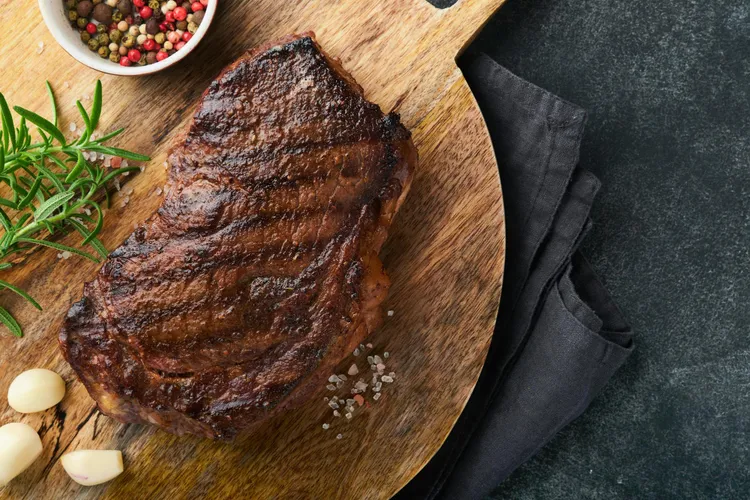
Can You Really Tell Steak Doneness Without Cutting It?
Many home cooks slice into steak to check doneness - and instantly lose juices.
But cutting early isn’t necessary.
With a few simple sensory cues - firmness, color, timing, and sound - you can cook steak accurately without ever piercing it.
How Do You Cook Steak Without a Thermometer?
To cook steak without a thermometer, use the touch test to judge firmness, cook over high heat for proper searing, flip regularly for even cooking, and rest before slicing. Doneness can be estimated by how the steak feels when pressed and how long it cooks per side.
Confidence comes from understanding texture and heat - not guesswork.
Why This Works
As steak cooks, proteins tighten and muscle fibers contract.
This changes the texture:
-
Rare steak feels soft and squishy.
-
Medium steak feels springy.
-
Well-done steak feels firm and resistant.
Heat causes moisture loss and structural tightening.
So doneness is something you can literally feel.
Step-by-Step: Cooking the Steak Properly
1. Choose the Right Steak
Thickness matters more than weight.
Ideal thickness:
1-1.5 inches (2.5-4 cm).
Thinner steaks overcook quickly and are harder to judge by touch.
2. Bring Steak Toward Room Temperature
Let steak sit out for about 20-30 minutes.
This promotes more even cooking.
Cold steak often burns outside before warming inside.
3. Dry and Season Generously
Pat the steak dry with paper towels.
Season both sides with salt and pepper.
Dry surface = better crust.
4. Preheat the Pan or Grill Properly
High heat is essential.
The pan should:
-
Be very hot before steak touches it.
-
Produce an immediate, strong sizzle.
No sizzle = weak crust.
5. Use the Touch Test (The Hand Method)
Here’s the classic chef technique.
Touch your thumb to different fingers and press the base of your thumb with your other hand.
That firmness mimics steak doneness:
-
Thumb to index finger = Rare (soft)
-
Thumb to middle finger = Medium rare (slightly springy)
-
Thumb to ring finger = Medium (firmer)
-
Thumb to pinky = Well done (very firm)
Now press the center of the steak gently with your finger or tongs.
Compare the resistance.
This method works surprisingly well with practice.
6. Flip More Often Than You Think
Old advice says flip once.
Modern cooking shows flipping every 30-60 seconds cooks more evenly and reduces overcooking.
Frequent flipping prevents one side from overheating.
7. Watch the Sides of the Steak
Visual cues help.
As steak cooks, you’ll see:
-
Brown crust forming on bottom.
-
A gray-brown band slowly rising from the bottom edge upward.
When the gray band reaches halfway up the steak, flip it.
For medium-rare, cook until the band reaches about ¾ up after flipping.
This visual method is highly reliable for thick steaks.
8. Use Timing as a Guide (But Not the Only Guide)
For a 1-inch steak on high heat:
-
Rare: about 2-3 minutes per side
-
Medium rare: about 3-4 minutes per side
-
Medium: about 4-5 minutes per side
But timing varies by pan heat and steak thickness.
Always combine timing with touch.
9. Rest Before Slicing
Rest at least 5-8 minutes.
This allows juices to redistribute.
Cutting too early makes steak seem less juicy than it is.
Common Mistakes When Cooking Without a Thermometer
Mistake №1: Pressing Too Hard
Light pressure is enough.
Crushing the steak releases juices unnecessarily.
Mistake №2: Cooking Over Medium Heat
Moderate heat leads to gray, uneven steak.
High heat builds crust quickly without overcooking interior.
Mistake №3: Cutting to Check Too Soon
Every slice releases moisture.
Use touch and side color instead.
Mistake №4: Ignoring Thickness
Timing only works if steak thickness is similar.
Very thin steaks cook too fast for reliable touch testing.
The “Bounce” Test
Another professional cue:
Use tongs to lift the steak slightly and gently bounce it in the pan.
Rare steaks feel loose and flexible.
Medium steaks feel firmer and hold shape.
Well-done steaks feel rigid.
Experienced cooks rely heavily on this subtle feedback.
Most Line Cooks Rarely Use Thermometers for Steaks
In busy restaurants, cooks prepare dozens of steaks per shift.
They rely on:
-
muscle memory
-
touch sensitivity
-
visual cues
-
sound of searing
Thermometers are used for thick roasts or food safety checks - but everyday steak cooking often depends on experience.
You can build that skill quickly with practice.
How Do You Avoid Overcooking Without a Thermometer?
Two important tricks:
-
Remove steak slightly earlier than you think.
-
Account for carryover cooking.
Internal temperature continues rising after removal from heat.
Pulling steak just before perfect doneness prevents dryness.
Can You Use the Same Method on a Grill?
Yes.
The touch test works equally well on grilled steak.
Watch for:
-
grill marks forming
-
firmness increasing
-
juices pooling on top surface
Flip when juices begin appearing on top for medium-rare.
Sound Is a Hidden Indicator of Doneness
The sizzle changes as moisture evaporates.
Early on:
Loud, aggressive sizzling.
As steak finishes:
Sizzling softens slightly as surface dries.
Experienced cooks use this subtle sound change as another clue.
Your Hands Are Powerful Cooking Tools
A thermometer is helpful - but it isn’t mandatory.
Steak doneness can be judged through:
-
touch
-
visual cues
-
timing
-
sound
Once you understand how protein structure changes with heat, cooking steak without gadgets becomes surprisingly intuitive.
The key isn’t guessing.
It’s paying attention.
Summary of Key Points
-
Steak firmness increases as it cooks.
-
The hand test provides reliable doneness comparison.
-
High heat is essential for crust.
-
Flip regularly for even cooking.
-
Watch the gray band rise on the sides.
-
Rest steak before slicing.
-
Remove steak slightly early due to carryover cooking.
-
Practice builds accuracy quickly.
Latest