Strawberries Aren't Berries (And Bananas Are)
You've been calling strawberries berries your whole life - and botanists have been quietly disagreeing. The word "berry" in cooking and the word "berry" in plant science are completely different things, and the gap between them is both ridiculous and fascinating. Here's the real story, plus what it actually means for how you cook with fruit.
The Surprising Truth About Fruit Classification
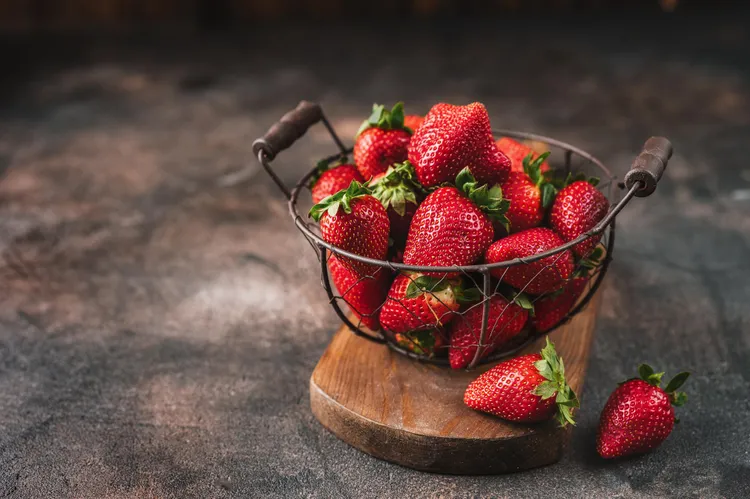
Here's something that will quietly ruin every fruit salad you make from now on: a strawberry is not a berry. Neither is a raspberry. Neither is a blackberry. But a banana is. So is an avocado. And a cucumber. And a pumpkin.
This isn't a joke or a technicality. It's just botany - and once you understand why, you'll never look at the produce aisle the same way.
Why Isn't a Strawberry a Berry?
Botanically, a berry must develop from a single flower with one ovary. Strawberries fail that test entirely - they develop from a flower with multiple ovaries, which makes them what botanists call an "aggregate fruit."
The red flesh you eat isn't even the fruit. It's the swollen base of the flower (the receptacle). The actual fruits are the tiny yellow seed-like dots on the outside, called achenes.
So the strawberry is essentially wearing its fruits on the outside like a polka-dot outfit. Wild, right?
Why This Happens: The Simple Botany
Plant scientists define a "berry" very specifically: it must be a fleshy fruit that develops from one flower with one ovary, and it must contain seeds embedded in the flesh.
Under that definition:
- True berries: Bananas, grapes, tomatoes, avocados, kiwis, eggplants, cucumbers, peppers, and yes - watermelon.
- Not berries: Strawberries, raspberries, blackberries, cherries, peaches, plums, almonds (those are drupes or aggregate fruits).
The confusion comes from the fact that everyday English uses "berry" to mean "small, round, juicy fruit you can eat by the handful." Botany uses it to mean something very specific about how a fruit grows.
These two definitions almost never agree.
What Makes a True Berry in Science?
A botanically correct berry must:
- Develop from a single flower with a single ovary
- Have a fleshy pericarp (the outer layer that becomes the edible flesh)
- Have seeds embedded inside the flesh
Bananas tick every box. Strawberries tick none.
What Most People Get Wrong
Myth 1: "Berry" just means small and sweet. In everyday cooking language, sure. In botany, absolutely not. Size and taste have nothing to do with it. A watermelon is a true berry. A cherry is not.
Myth 2: Raspberries and blackberries are berries. Neither one qualifies. Both are aggregate drupes - clusters of tiny individual fruits (drupelets) fused together around a central core. When you pull a raspberry off its bush and notice the hollow center, you're seeing exactly why it's not a single fruit.
Myth 3: The seeds on a strawberry are the seeds. Those tiny dots are the actual fruits - called achenes - each containing one seed inside. The red flesh is floral tissue, not fruit tissue. You're eating a bouquet, technically.
Myth 4: This classification matters for cooking. For eating and cooking purposes, it really doesn't. Your strawberry shortcake doesn't care about ovary count. But understanding it does help you think about texture, ripeness, and flavor - which matters a lot in the kitchen.
Practical Cooking Tips: What This Actually Means in the Kitchen
Understanding the real structure of these "not-berries" has some genuinely useful applications.
Strawberries
Because the edible flesh is floral tissue (not fruit flesh), it has a different cell structure than true berries. This is why strawberries:
- Break down faster when cut. They have more fragile cell walls. Slice them close to serving time, not hours ahead.
- Release more water when salted or sugared. A pinch of sugar or salt draws liquid out fast - use this intentionally to make a quick strawberry sauce, or avoid it when you want firm slices.
- Don't freeze well without prep. Freeze them whole or on a tray first before bagging. The high water content turns them mushy if frozen in a pile.
Raspberries and Blackberries (Aggregate Fruits)
Their hollow, multi-drupe structure means they have more surface area and air pockets, which is why they:
- Mold faster than almost any other fruit. The hollow center traps moisture. Dry them thoroughly after washing, and don't wash until just before use.
- Collapse quickly when cooked. This makes them ideal for quick sauces - just two to three minutes over medium heat turns them completely soft.
- Work beautifully raw in layers. Their hollow structure makes them light and airy in trifles, tarts, and parfaits.
True Berries in Cooking
Grapes, tomatoes, and cucumbers all behave differently from "culinary berries" because their flesh really is fleshy fruit tissue. This is part of why tomatoes hold up to long cooking so well - that dense, true-berry flesh doesn't collapse the same way a strawberry does.
Chef Insight: The Maceration Trick
Professional pastry chefs and restaurant cooks use maceration - tossing fruit in a small amount of sugar and letting it sit - to intentionally exploit the cell structure of culinary berries.
For strawberries, 15-20 minutes with a tablespoon of sugar per cup of berries pulls out the juices and concentrates the flavor significantly. That liquid becomes an instant syrup.
For raspberries, the same technique takes only 5-8 minutes because their structure is even more delicate. The result is a natural coulis-style sauce without any cooking at all.
This works because of exactly what these fruits are: high-water, fragile-celled structures that give up their juice quickly under even mild osmotic pressure. A true botanical berry like a grape needs actual cooking or crushing to release the same level of liquid.
Fun Fact: The Strawberry Shortcut
The strawberry plant actually tricks animals (and us) on purpose. The red, swollen receptacle you eat isn't supposed to be fruit - it's evolved to look and taste like fruit to attract animals that will spread the actual seeds (the achenes on the outside).
The plant is essentially running a long con: "Eat this delicious red thing, get the real seeds stuck to your fur or pass them through your gut, and carry my offspring somewhere new."
Every time you eat a strawberry, you're participating in a multi-million-year evolutionary scam. You're welcome.
Does Any of This Matter?
Practically? Not really - strawberries are still delicious, and you should keep calling them berries. Language evolves around what people actually mean, not what botanists prefer.
But the underlying science does teach you something useful: the structure of a fruit determines how it behaves when you cook it, store it, or prepare it. Fragile floral tissue behaves differently from dense fruit flesh. Hollow drupelets mold and collapse faster than single-ovary berries.
The next time your strawberries get mushy faster than expected or your raspberries dissolve in the pan, you'll know exactly why - and you'll know how to work with it instead of against it.
Summary of Key Points
- Strawberries are not botanical berries. They're aggregate fruits - the red flesh is floral tissue and the real fruits are the tiny yellow dots on the outside.
- Raspberries and blackberries aren't true berries either. They're aggregate drupes - clusters of tiny individual fruits.
- True berries include bananas, grapes, avocados, tomatoes, cucumbers, and kiwis - any fleshy fruit from a single flower with one ovary.
- Strawberries break down faster than most fruits because of their fragile cell structure - cut them close to serving and use maceration intentionally.
- Raspberries mold quickly because their hollow structure traps moisture - wash only right before eating.
- Maceration (sugar + time) draws juice out of culinary berries fast - 15-20 minutes for strawberries, 5-8 minutes for raspberries.
- Understanding fruit structure helps you cook smarter, even if it ruins your ability to look at a strawberry without thinking about evolutionary deception.
Latest