The Best Chocolate Cake: Fudgy, Deep, Unforgettable
Both cocoa and melted chocolate, hot coffee that deepens the flavour, and a ganache buttercream that makes every other frosting feel like a compromise
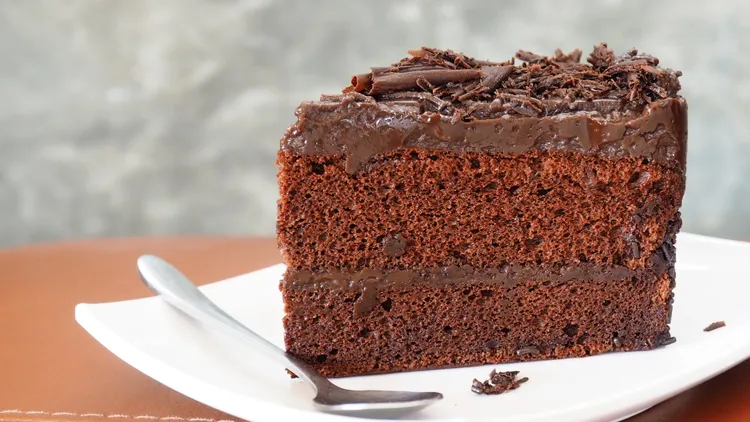
There are hundreds of thousands of chocolate cake recipes. Most of them produce chocolate cake - reasonably chocolatey, reasonably moist, reasonably good. The cake in this recipe produces something that people describe differently: deeply chocolatey, almost fudgy in the crumb, with a bitterness that makes the sweetness more interesting rather than cloying. Cake that people ask about before they ask for the recipe.
The difference is in three decisions: using both cocoa powder and melted dark chocolate (they produce different and complementary flavour compounds), using hot coffee or hot water to bloom the cocoa (heat releases flavour compounds in cocoa that cold liquid doesn't), and a chocolate ganache buttercream that is richer, more complex, and more stable than standard chocolate buttercream. Each decision has a specific reason, and understanding the reasons makes every chocolate baking decision more intuitive.
The Science: Why Two Chocolates
Cocoa powder and melted chocolate do different things in a cake batter.
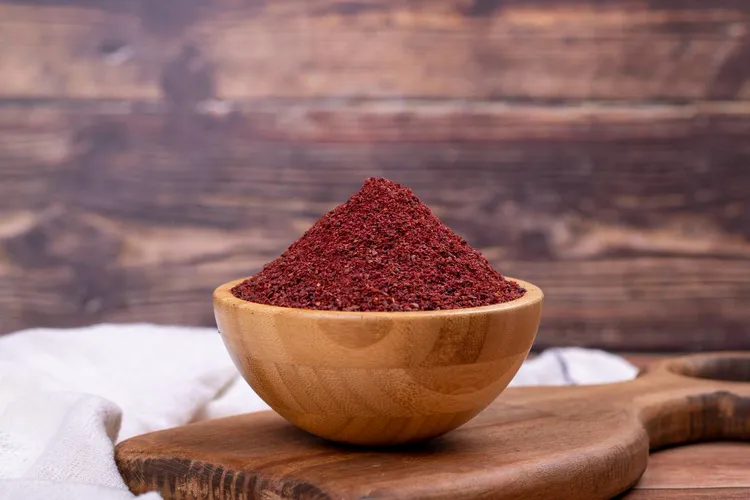
Cocoa powder is almost entirely cocoa solids - the roasted, ground cocoa mass with the fat (cocoa butter) largely removed. It provides intense chocolate flavour and colour, and its dryness contributes to the cake's structure. It is also acidic (natural cocoa) or neutral (Dutch-process cocoa), which affects how leavening works.
Melted dark chocolate contains cocoa solids and cocoa butter (the fat component). The fat produces the moist, fudgy, slightly dense texture that distinguishes this cake from a drier, more crumbly cocoa-only cake. The cocoa butter also carries flavour compounds that aren't present in de-fatted cocoa powder.
Used together: the cocoa powder provides colour, intensity, and bitterness; the melted chocolate provides richness, moisture, and a deeper, more complex flavour. Neither alone produces what both together do.
The Hot Coffee (or Hot Water) Blooming
Adding hot liquid to cocoa powder - "blooming" - extracts flavour compounds from the cocoa particles that cold liquid doesn't reach. The heat opens the cocoa's aromatic compounds and produces a more intense, darker, more complex flavour.
Hot coffee specifically: Caffeine suppresses the bitter taste receptors slightly, making the chocolate's natural bitterness taste more complex and less sharp. The coffee flavour itself is undetectable in the finished cake (the quantity is too small relative to the other ingredients), but the chocolate flavour is noticeably deeper.
Hot water: If coffee is not available or preferred, hot water produces the same blooming effect without the coffee's specific impact. Equally effective.
Ingredients
Makes 2 × 20cm round cake layers | Active time: 30 minutes | Total time: 1 hour 15 minutes
The Cake
- 250g plain flour
- 350g caster sugar - a significant quantity that produces a moist, dense crumb and contributes to the depth of browning
- 75g Dutch-process cocoa powder - Dutch-process (alkalised) is smoother and darker than natural cocoa; produces the deep colour
- 2 tsp baking powder
- 1 tsp baking soda - the baking soda works with the cocoa's slight acidity
- 1 tsp fine sea salt - essential for balancing sweetness and amplifying chocolate flavour
- 2 large eggs, at room temperature
- 240ml whole milk or buttermilk - buttermilk produces a slightly more tender crumb
- 120ml neutral oil (sunflower or vegetable) - oil keeps the cake moist for longer than butter (no water to evaporate)
- 2 tsp vanilla extract
- 240ml very hot coffee or very hot water
- 120g dark chocolate (70%), melted and slightly cooled
The Ganache Buttercream
- 200g dark chocolate (70%), finely chopped
- 200ml double cream
- 200g unsalted butter, at room temperature
- 200g icing sugar, sifted
- 2 tbsp cocoa powder, sifted
- Pinch of salt
Method
The Cake
Step 1 - Bloom the cocoa: Measure the hot coffee or water into a jug. Add the cocoa powder and whisk until completely smooth. The mixture will be thick, dark, and fragrant. Allow to cool to warm.
Step 2 - Combine dry ingredients: Sift flour, sugar, baking powder, baking soda, and salt into a large bowl. Whisk to combine evenly.
Step 3 - Whisk wet ingredients: In a separate bowl, whisk the eggs, milk (or buttermilk), oil, and vanilla together until combined.
Step 4 - Combine: Add the wet ingredients to the dry. Whisk gently to just combine. Add the bloomed cocoa mixture and the melted, cooled dark chocolate. Whisk until completely smooth. The batter will be very liquid - noticeably thinner than most cake batters. This is correct.
Step 5 - Bake: Preheat the oven to 175°C (fan). Grease and line two 20cm round cake tins with parchment. Divide the batter equally between the tins (weigh them - equal batter = equal cooking time).
Bake for 32-38 minutes until a skewer inserted in the centre comes out clean and the surface springs back when gently pressed. The batter's high sugar content means the surface will darken quickly - if it appears to be browning too fast after 20 minutes, tent loosely with foil.
Step 6 - Cool: Leave in tins for 10 minutes, then turn out onto wire racks. Cool completely before frosting - a warm cake melts buttercream.
The Ganache Buttercream
Step 1 - Make the ganache base: Place the chopped chocolate in a heatproof bowl. Heat the double cream until just simmering (small bubbles at the edges). Pour over the chocolate. Leave for 2 minutes without stirring. Then stir gently from the centre outward until completely smooth. Allow to cool to room temperature (approximately 1 hour, or 20 minutes in the refrigerator). The ganache should be thick and spreadable - the texture of soft fudge.
Step 2 - Beat the buttercream: Beat the room-temperature butter with an electric mixer for 5 minutes until very pale and fluffy. Add the sifted icing sugar in two additions, beating well after each. Add the cocoa powder and salt. Beat 2 more minutes.
Step 3 - Combine: Add the cooled ganache to the buttercream in three additions, beating well between each. The final buttercream should be smooth, glossy, deeply chocolatey, and stable enough to pipe or spread.
The result: Ganache buttercream is richer, smoother, and more complex than standard chocolate buttercream (which uses only icing sugar and cocoa). The double cream and real chocolate add flavour depth that icing sugar cannot replicate. It is also more stable in warm weather and holds its structure better under a piped design.
Assembly
Level the layers: Use a serrated knife to level the domed tops of each cake layer - this produces a flat surface for stacking and eliminates the structural instability of a domed-top layer.
Fill: Place the first layer on the serving plate. Spread a generous layer of ganache buttercream (approximately one-third of the total) over the first layer. Place the second layer on top.
Crumb coat: Apply a very thin layer of buttercream over the entire cake and refrigerate for 15-20 minutes until set. This "crumb coat" traps loose crumbs and gives the final layer a smooth foundation.
Final coat: Apply the remaining buttercream smoothly over the crumb coat. For a smooth finish: use a palette knife and a turntable if available. For a textured, rustic finish: use the back of a spoon to create swoops.
Decoration: Dark chocolate shavings (run a vegetable peeler along a bar of cold chocolate), fresh raspberries (the acidity cuts the richness beautifully), or a simple dusting of cocoa powder.
Variations
The Coffee and Chocolate Version
Add 2 tsp of instant espresso powder to the dry ingredients alongside the cocoa. The espresso amplifies the chocolate without adding a specific coffee flavour in the quantities used. Apply the same ganache buttercream.
The Raspberry Chocolate Cake
Fill the layers with a raspberry jam instead of ganache buttercream (or a mixture of both). The jam's acidity cuts the richness and produces the classic raspberry-chocolate combination that works in every format.
The Salted Caramel Layer
Make a simple dry caramel (170g caster sugar, melted to amber, 120ml cream added carefully, 50g butter, 1 tsp sea salt). Cool until thick. Spread between the layers under the ganache buttercream. The salted caramel adds a specific richness and bitterness that makes the chocolate flavour more complex.
Storing and Making Ahead
Unfrosted layers: Wrap tightly in cling film and refrigerate for up to 3 days, or freeze for up to 3 months. The high oil and sugar content means the layers stay moist for significantly longer than most cakes.
Assembled cake: Cover and refrigerate for up to 4 days. Remove 1-2 hours before serving - ganache buttercream at cold temperature is too firm to cut cleanly and loses some flavour intensity.
Make-ahead strategy for a party: Bake and freeze the layers up to 1 month ahead. Make the ganache buttercream up to 3 days ahead and refrigerate (re-beat at room temperature before using). Assemble the day before serving.
Pro Tips
- Weigh the batter into the tins equally. Unequal layers cook at different rates - one is over-baked while the other is correctly baked. Equal weights solve this.
- Cool the ganache completely before making the buttercream. Warm ganache melts the butter and produces a runny, broken buttercream. Cool to room temperature - the texture of soft fudge - before combining.
- The crumb coat is not optional for a smooth finish. Skip it and the final layer will have visible crumbs. Do it and the final layer is smooth.
- Dutch-process cocoa for this specific recipe. Natural cocoa is more acidic and interacts differently with the baking soda. Dutch-process cocoa produces the smoothest, darkest result and is specifically matched to the recipe's leavening ratios.
The Most Common Chocolate Cake Mistake: Using Boiling Water Instead of Hot The hot liquid should be very hot but not vigorously boiling - approximately 80-90°C. Boiling liquid added to a batter containing eggs can partially cook the eggs at the addition point before they have time to incorporate. Very hot (from a kettle allowed to sit 2-3 minutes) is sufficient for the blooming effect and safe for the batter.
FAQ
Q: Can I make this as cupcakes?
Yes - fill cupcake cases two-thirds full. Bake at 175°C for 18-22 minutes. The recipe makes approximately 24 cupcakes. The ganache buttercream pipes beautifully.
Q: My buttercream is too soft and not holding its shape. What went wrong?
Either the ganache wasn't completely cooled before adding (melted the butter) or the butter was too warm (above 22°C). Refrigerate the buttercream for 15 minutes, then re-beat. It should firm to a pipeable consistency.
Q: Is the batter supposed to be this liquid?
Yes - the hot coffee or water makes this batter significantly thinner than most. It bakes into a moist, dense crumb. The thin batter is correct; if it is too thick (the consistency of regular cake batter), the hot liquid wasn't added or the proportions are off.
🔗 More Chocolate Desserts
- Chocolate Lava Cakes: The Make-Ahead Dinner Party Dessert
- French Chocolate Mousse: The Classic 4-Ingredient Version
- Chocolate Truffles: The Ganache Method
- Hot Chocolate Fudge Sauce: The Ice Cream Upgrade
- Chocolate Brownies: The Definitive Fudgy Recipe - Baking collection
- Desserts & Sweet Things: The Complete Guide
Latest