The Best Way to Store Fresh and Dried Herbs - And Why Most People Do It Wrong
Fresh herbs are among the most perishable ingredients in the kitchen, and dried herbs are among the most mishandled. Both failures come from the same misunderstanding: what makes herbs smell and taste the way they do, and what destroys those compounds fastest. Once you understand the chemistry, storing herbs correctly becomes obvious rather than a matter of guesswork.
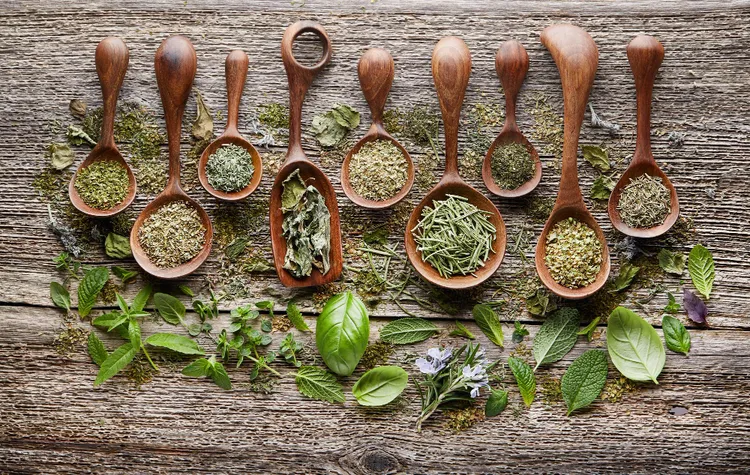
Here's a question that exposes a gap in most home cooks' knowledge: why does a bunch of fresh basil turn black and limp within a day in the fridge, while a bunch of fresh thyme in exactly the same conditions stays usable for a week? And why does a jar of dried oregano on the windowsill lose most of its flavour within two months, while the same oregano stored in a dark cupboard is still potent after a year?
The answers are specific, the chemistry is consistent, and the storage differences between herb types are not arbitrary - they reflect genuine differences in the compounds that make each herb valuable and the conditions that destroy them fastest.
Fresh herbs fall into two categories with opposite storage needs: tender herbs (basil, coriander, parsley, mint, tarragon, chives) that are cold-sensitive and store best at room temperature like flowers, in water; and hardy herbs (thyme, rosemary, sage, bay, oregano) that are moisture-sensitive and store best wrapped loosely in the fridge. Dried herbs lose flavour primarily through oxidation and light exposure - they should be stored in airtight containers away from heat, light, and moisture, and replaced approximately every 12 months regardless of how much remains.
The Aromatic Chemistry of Herbs
The flavour and fragrance of herbs come from volatile organic compounds - primarily terpenes and terpenoids, phenolic compounds, and sulphur-containing molecules - stored in microscopic oil glands distributed through the leaves and stems. These compounds are what you smell when you crush a basil leaf or brush rosemary with your hand.
"Volatile" is the key word. These compounds evaporate readily at room temperature - which is why fresh herbs scent the kitchen without being heated. This same volatility makes them vulnerable to the conditions that accelerate their loss: heat (which speeds evaporation), light (which degrades certain aromatic compounds through photo-oxidation), oxygen (which oxidises aromatic molecules into less potent or off-flavoured compounds), and moisture stress (which triggers cell damage that releases enzymes destroying the oil gland structure).
Different herbs store differently because they have different aromatic compound profiles, different leaf structures, and different biological stress responses to storage conditions.
Why basil hates the fridge
Basil's aromatic compounds are dominated by linalool and eugenol - relatively fragile terpenes that degrade quickly at cold temperatures. More critically, basil leaves are tropical in origin and have no cold-hardening mechanism. Below approximately 10°C / 50°F, the cell membranes in basil leaves undergo chilling injury - a form of cellular damage that collapses the membrane structure, releasing enzymes called polyphenol oxidases that rapidly oxidise the leaf tissue, producing the characteristic black discolouration. The cold didn't freeze the basil. It killed the cells through chilling injury before freezing temperature was even reached.
Why thyme and rosemary are fridge-friendly
Hardy herbs like thyme, rosemary, and sage have evolved in Mediterranean environments where cool, dry winters are normal. Their aromatic compounds - primarily thymol, carvacrol, and camphor - are more stable at low temperatures and don't degrade significantly from cold. Their small, waxy leaves or needle-like structures lose moisture more slowly than broad-leafed tender herbs, and their aromatic oil glands are more physically protected. In the fridge, they stay viable for 1-2 weeks; at room temperature, they wilt and dry out within days.
The Two Categories: Know Your Herbs Before You Store Them
Tender Herbs - Store at Room Temperature, Like Flowers
These herbs are cold-sensitive and moisture-dependent. Treat them like cut flowers.
Members: basil, coriander (cilantro), parsley, mint, tarragon, chives, dill (stems), lemon verbena
The method:
- Trim the stems at an angle with a sharp knife or scissors.
- Place in a glass or jar with 2-3cm of room-temperature water at the bottom.
- Cover loosely with a plastic bag or cling film to trap humidity.
- Store on the kitchen counter away from direct sunlight and heat sources.
- Change the water every 1-2 days.
Why it works: the stems continue drawing water, keeping the leaves turgid and the cell structure intact. The humid environment around the leaves reduces the vapour pressure gradient that drives moisture evaporation from the leaf surface. Room temperature keeps the cell membranes functioning normally, preventing chilling injury.
Exception - parsley and coriander in the fridge: parsley and coriander are slightly more cold-tolerant than basil and can survive fridge storage if kept in water with a bag cover. The water-in-fridge method works for these two; the room-temperature method works for all tender herbs including these.
Expected lifespan with correct storage: basil 5-7 days at room temperature; parsley and coriander 10-14 days in water (fridge or counter); mint and chives 7-10 days in water at room temperature.
Hardy Herbs - Store Dry in the Fridge
These herbs are cold-tolerant and moisture-sensitive. Excess moisture causes them to mould and decay rather than dry out.
Members: thyme, rosemary, sage, bay, oregano (fresh), lavender, marjoram
The method:
- Do not wash before storing - moisture accelerates decay.
- Wrap loosely in a slightly damp (not wet) paper towel.
- Place in a loose zip-lock bag or unsealed container.
- Store in the main fridge compartment (not the crisper drawer, which can be too humid).
Why it works: the slightly damp paper towel provides just enough humidity to prevent the herbs from desiccating completely, while the loose wrapping allows some air circulation that prevents mould formation. The fridge temperature slows the metabolic activity of the plant tissue and the enzyme reactions that degrade aromatic compounds.
Expected lifespan with correct storage: thyme and rosemary 2-3 weeks; sage 1-2 weeks; bay 2-4 weeks; fresh oregano 1-2 weeks.
What Most People Get Wrong
| Myth | Fact |
|---|---|
| All fresh herbs store the same way - just put them in the fridge. | Tender herbs (basil, coriander, mint) suffer chilling injury in the fridge within 24 hours. The fridge is correct for hardy herbs and actively harmful for tender ones. Treating all herbs identically means optimising storage for neither category. |
| Washing fresh herbs before storing extends their life. | Washing before storing introduces surface moisture that dramatically accelerates mould and bacterial growth. Wash herbs immediately before use, not before storage. The exception is very sandy or soiled herbs that need washing - these should be thoroughly dried with paper towels or a salad spinner before storing. |
| Dried herbs last indefinitely - they're preserved. | Dried herbs lose aromatic potency continuously through oxidation, light exposure, and evaporation. Most dried herbs are at 50% potency at 12 months and barely useful at 24 months. A dated label on the container is more useful than trusting the expiry date on the packaging. |
| Storing dried herbs near the stove is convenient and harmless. | The heat and steam from cooking are the most destructive conditions possible for dried herbs. Heat accelerates the evaporation of volatile aromatic compounds; steam introduces moisture that causes clumping, mould, and rapid flavour loss. The shelf above the stove is the worst place to store dried herbs. |
| You can substitute dried herbs for fresh in equal quantities. | Dried herbs are approximately three times more concentrated than fresh (the water content has been removed, concentrating the aromatic compounds). The standard substitution is 1 teaspoon dried = 1 tablespoon fresh. Using equal quantities of dried and fresh produces dramatically over-seasoned results with dried herbs. |
Storing Dried Herbs: The Rules That Actually Matter
The enemies of dried herbs: heat, light, moisture, and oxygen
Every factor that destroys dried herb potency operates through one of two mechanisms: evaporation of volatile aromatic compounds (accelerated by heat and air movement), or oxidation of those compounds into less potent or off-flavoured molecules (accelerated by light and oxygen exposure).
The storage conditions that minimise both:
- Airtight containers - glass jars with tight-fitting lids are significantly better than plastic containers (glass is impermeable to oxygen; some plastics are not) and vastly better than the plastic bags and paper packets many herbs come in.
- Dark storage - a closed cupboard away from windows. Even low-level UV and visible light exposure degrades certain aromatic compounds through photo-oxidation. Herbs stored in clear glass jars on open shelves look attractive and lose potency faster than those in opaque containers or closed cupboards.
- Cool temperatures - below 20°C / 68°F for storage. Every 10°C increase in temperature approximately doubles the rate of aromatic compound evaporation. The fridge is suitable for dried herbs but not necessary if a cool, dark cupboard is available.
- Away from the stove - specifically away from the heat and moisture generated during cooking.
Label everything with the purchase date
The single most useful habit for dried herb management: write the purchase date on the lid with a permanent marker the moment you bring herbs home. This creates a clear record that enables replacement on a sensible schedule rather than the common approach of using herbs until they stop smelling of anything in particular.
A practical replacement schedule:
- Leafy dried herbs (basil, parsley, tarragon, mint, bay): replace every 12 months.
- Woody dried herbs (thyme, rosemary, oregano, sage): replace every 12-18 months. These are slightly more stable due to their higher essential oil content.
- Ground spice-herbs (dried ground chilli flakes, dried garlic, onion powder): replace every 6-12 months - ground versions have more surface area exposed to oxidation and lose potency faster.
The crumble and smell test
A quick field assessment of dried herb potency: rub a small amount between your fingers, then smell immediately. A potent dried herb should produce a strong, immediate, recognisable aroma from this contact. If the response is faint, muted, or requires effort to detect, the herb is past its useful cooking life. It may add a mild background note but will not deliver the flavour a recipe intends.
Extending Fresh Herb Life: Advanced Methods
Freezing tender herbs for cooked applications
Fresh tender herbs can be frozen for use in cooked dishes where texture doesn't matter. Two methods:
Method 1 - Direct freezing: wash and thoroughly dry the herbs, spread on a baking sheet, freeze until solid (1-2 hours), then transfer to freezer bags. Frozen herbs crumble from frozen directly into hot dishes - soups, stews, sauces - without thawing. Texture becomes irrelevant after cooking.
Method 2 - Oil freezing: blend or chop fresh herbs and mix with a small amount of neutral oil. Spoon into ice cube trays and freeze. Each cube is a flavour-ready portion of herb-infused oil - add directly to a hot pan or sauce from frozen. Works particularly well with basil, parsley, coriander, and chives.
What freezing does to flavour: freezing preserves aromatic compounds better than drying for tender herbs like basil and coriander, which lose significant aroma during the drying process. Frozen basil retains more of its linalool and eugenol than dried basil. For cooked applications, frozen herbs are often superior to dried.
Preserving hardy herbs in salt or fat
Herb salt: blend fresh hardy herbs (thyme, rosemary, sage, or combinations) with coarse sea salt in a food processor or by hand. Spread on a baking sheet and allow to dry at room temperature for 24-48 hours. Store in an airtight jar. The salt draws moisture from the herbs and the herbs infuse the salt - the resulting herb salt keeps for months and is ready to use for seasoning any savoury dish.
Herb-infused fat: pack fresh hardy herbs into a jar, cover completely with olive oil or butter, seal, and refrigerate. The aromatic compounds extract into the fat over 1-2 days. Use the infused oil or butter to finish pasta, dress vegetables, or make compound butter. The herbs themselves remain usable for 1-2 weeks submerged in fat; the infused oil keeps for 2-3 weeks refrigerated.
The Dry vs Fresh Decision: When Each Is Better in Cooking
Understanding storage also means understanding which form to use in which application:
| Herb Application | Fresh Best | Dried Best |
|---|---|---|
| Finishing a dish (added at end) | ✓ Fresh - aroma is preserved | Dried loses volatiles rapidly after heat |
| Long-cooked dishes (braises, stews, soups) | Either works | ✓ Dried - releases slowly; fresh can become bitter |
| Cold applications (salads, dressings) | ✓ Fresh - essential | Dried has wrong texture and weaker flavour |
| Spice rubs and dry marinades | - | ✓ Dried - works with dry surfaces; fresh adds unwanted moisture |
| Baking (bread, crackers) | Either | ✓ Dried - easier distribution in dry doughs |
| Herb oils and infusions | ✓ Fresh - more aromatic compounds | Dried works but produces less vivid results |
How Professional Kitchens Handle Herbs
In a professional kitchen, herbs are treated with the same care as any perishable ingredient - and waste is taken seriously because herbs are expensive in the quantities a busy kitchen uses. The standard professional practice:
For fresh herbs: arrive daily or every two days from suppliers. Soft herbs are placed immediately into water containers in the refrigerator walk-in or on the pass. Hardy herbs are wrapped and refrigerated. Any herb that arrives looking stressed is placed in cold water for 20-30 minutes before assessment - many apparently wilted herbs can be revived by this hydration shock, particularly if they were harvested recently.
For reviving wilted fresh herbs at home: submerge the entire bunch - leaves included - in a bowl of cold water for 15-20 minutes. The leaves rehydrate through both the stems and directly through the leaf surface. Remove, shake dry, and store using the appropriate method. This works best on herbs that are wilted but not yet yellowing or decaying - it restores turgidity but cannot reverse cellular damage from chilling injury or decay.
For dried herbs in professional cooking: most serious professional kitchens use fresh herbs for almost everything and dried only for spice rubs, long braises, and applications where the fresh version would be impractical. The exception is dried herbs with specific flavour profiles that differ from fresh - dried oregano is a specific example. It tastes distinctly different from fresh oregano and is specifically called for in Greek and Italian cooking where fresh oregano would produce the wrong flavour character.
Dried oregano smells and tastes quite different from fresh oregano - not just weaker, but chemically different. Fresh oregano is dominated by sabinene hydrate, a compound that contributes a mild, slightly floral character. When oregano is dried, a chemical transformation occurs: the heat and oxidation of drying convert sabinene hydrate into thymol and carvacrol - the sharp, intensely aromatic compounds that define the bold, pungent oregano flavour used in pizza sauce and Greek cooking. This means dried oregano is not just preserved fresh oregano - it is a genuinely different ingredient with a different flavour profile created by the drying process itself. Recipes that call specifically for dried oregano cannot be replicated with fresh oregano at triple the quantity; the character is different, not just weaker. Drying transformed it chemically into something new.
Here's What It All Comes Down To
Fresh herbs store differently because they are chemically different - tender herbs have cold-sensitive cell membranes and need room-temperature water storage; hardy herbs are moisture-sensitive and need cool, dry conditions in the fridge. Dried herbs lose potency through oxidation and evaporation - the same conditions that make cooking smell so good (heat, light, open air) are the conditions that degrade dried herbs fastest.
The fixes are simple once you know which category each herb falls into: water on the counter for tender herbs, loose-wrapped dry in the fridge for hardy herbs, airtight and dark for dried. Date the jars. Replace annually. Revive wilted herbs in cold water before giving up on them.
These are not fussy habits. They are five-second decisions at the moment you bring herbs home that pay off in flavour every time you cook with them for the next week or year.
What to Remember
- Fresh herbs divide into two categories with opposite storage needs: tender herbs (basil, coriander, mint, parsley) store best at room temperature in water like flowers; hardy herbs (thyme, rosemary, sage, bay) store best wrapped loosely dry in the fridge.
- Basil turns black in the fridge not from cold per se but from chilling injury - cell membrane damage below ~10°C that releases enzymes causing rapid oxidation of the leaf tissue.
- Never wash herbs before storing - surface moisture dramatically accelerates mould and decay. Wash immediately before use only.
- Wilted fresh herbs can often be revived by submerging the entire bunch in cold water for 15-20 minutes - rehydrating the leaf tissue before cellular damage has progressed too far.
- Dried herbs lose potency through oxidation and evaporation, accelerated by heat, light, and oxygen. Store in airtight glass jars in a dark cupboard away from the stove.
- The worst place to store dried herbs is above or beside the stove - the heat and steam are maximally destructive to aromatic compounds.
- Replace dried herbs approximately every 12 months - use a permanent marker to write the purchase date on the lid. The crumble-and-smell test reveals potency: if the response is faint, the herb is past its useful life.
- The standard substitution is 1 teaspoon dried = 1 tablespoon fresh - dried herbs are approximately three times more concentrated than fresh.
- Dried oregano is chemically different from fresh oregano - drying converts sabinene hydrate to thymol and carvacrol, producing a new flavour profile rather than just a weaker version of fresh.
Latest