The Ingredient That Fixes Tomato Sauce
If your tomato sauce tastes sharp, flat, or somehow unfinished no matter how long you cook it, you're probably missing one ingredient. It's not a secret - it's sitting in your kitchen right now. Understanding why it works will change how you cook tomatoes forever.
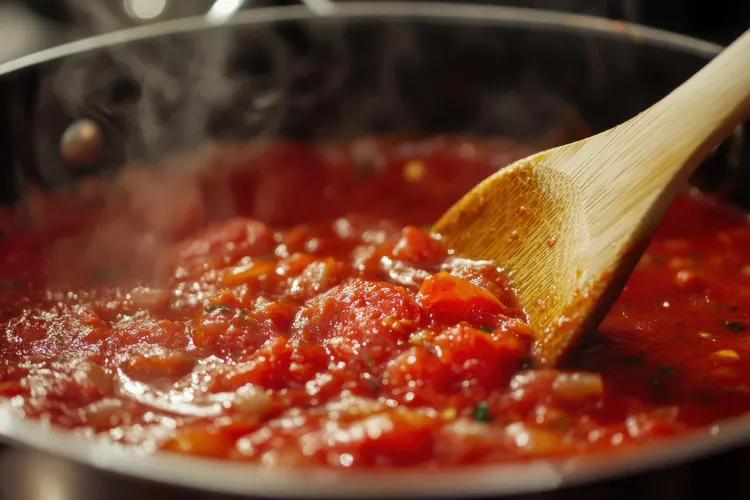
You've followed the recipe. You've used good tomatoes, real olive oil, fresh garlic. You've let it simmer. But something is still off - a harsh, almost metallic edge that just won't settle down. You add more salt. You add more herbs. Nothing quite works.
The problem almost certainly isn't your technique or your tomatoes. It's acidity. And the fix is a small pinch of something you'd never expect to reach for when cooking a savoury dish: sugar. Or, if you want to understand the real mechanism at work - any alkaline or sweet buffer that neutralises acid.
Here's why tomato sauce fights you, what's actually happening in the pot, and how to fix it every single time.
A small amount of sugar - typically half a teaspoon to one teaspoon per pot - is the most common fix for overly acidic tomato sauce. It doesn't make the sauce sweet; it neutralises sharpness and brings other flavours into balance. Baking soda works faster and more directly by chemically reducing acidity, but requires a careful hand. Both work. Understanding which to use, and when, is the real skill.
Why Tomato Sauce Turns Sharp:
Tomatoes are naturally acidic. Their pH typically ranges from 4.0 to 4.6, which places them firmly in the same territory as wine and yogurt. That acidity is part of what makes tomatoes taste bright and alive when raw. But when you concentrate them - by cooking down a sauce for 20, 30, 45 minutes - that acidity concentrates too.
The sharp, almost sour edge you sometimes taste in tomato sauce is primarily caused by two organic acids: citric acid and malic acid. Both are naturally present in tomatoes and both intensify as moisture evaporates during cooking.
Why Canned Tomatoes Can Be Sharper Than Fresh
Canned tomatoes often have citric acid added as a preservative to ensure safe pH levels for canning. This means they can start sharper than fresh tomatoes - especially whole peeled or crushed varieties. That's not a flaw, it's food safety. But it does mean your sauce may need more balancing than a fresh-tomato version would.
Why Cooking Doesn't Always Fix It
A common instinct is to just keep cooking. More time, lower heat - surely the sharpness will mellow. It sometimes does, but not reliably. Prolonged cooking reduces water content, which concentrates acids further before the natural sugars in tomatoes have a chance to fully develop. You can cook a sharp sauce for an hour and end up with a sharper result than when you started.
"Tomatoes concentrate everything as they cook - including acidity. More time in the pot isn't always the answer."
What Most People Get Wrong
| Myth | Fact |
|---|---|
| Adding sugar makes tomato sauce sweet and ruins the flavour. | A small amount (half a teaspoon) doesn't register as sweetness - it neutralises sharp acids and allows other flavours to come forward. You taste balance, not sugar. |
| Just cook it longer and the sharpness will go away. | Longer cooking concentrates acids alongside sugars. It can help, but it can also make sharpness worse. Directly addressing pH is faster and more reliable. |
| Only bad or cheap tomatoes need fixing. | Even excellent canned tomatoes have citric acid added for preservation. Good technique and balancing are needed regardless of tomato quality. |
| Baking soda is a cheat's shortcut. | Baking soda is a legitimate culinary tool that directly neutralises acid. Used correctly - a tiny pinch, added carefully - it's faster and more precise than sugar. |
Sugar vs. Baking Soda: Which One Should You Use?
Both sugar and baking soda fix sharp tomato sauce, but they work in completely different ways and produce subtly different results.
| Fix | How It Works | Best Used When | Watch Out For |
|---|---|---|---|
| Sugar | Provides sweetness that the brain perceives as counterbalancing sourness - a sensory trick, not a chemical one | Sauce is mildly sharp; you want to gently round out flavour | Adding too much - the sauce will register as sweet rather than balanced |
| Baking soda | Alkaline compound that chemically reacts with acids, directly raising pH and reducing sharpness | Sauce is aggressively sharp; you need fast, direct correction | Adding too much - can make sauce taste flat, soapy, or oddly bitter |
| Butter | Fat coats the palate and softens the perception of acidity without changing the chemistry | Sauce is nearly balanced but needs a silkier, rounder finish | Doesn't actually reduce acid - purely a perception effect |
| Onion (cooked) | Caramelised onions introduce natural sugars that balance acidity from the start | Building the sauce base - prevents sharpness before it develops | Must be properly softened and cooked; raw onion adds nothing here |
How to Balance Tomato Sauce
Start with the base, not the rescue
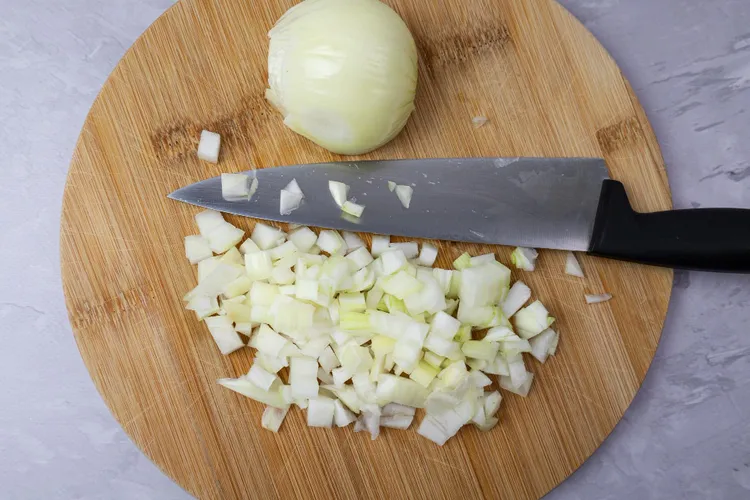
The most elegant fix happens before the problem starts. Cook your onion low and slow - 10 to 15 minutes over gentle heat - until it's completely soft and just beginning to turn golden. This draws out the natural sugars in the onion, building a sweet, mellow foundation that counteracts tomato acidity from the first moment.
Add sugar in stages, never all at once
If your finished sauce is sharp, add sugar in tiny increments: start with a quarter teaspoon, stir well, and taste. Wait 30 seconds. The balance shifts more than you'd expect from a small amount. It's far easier to add more than to fix an oversweetened sauce. Half a teaspoon is usually the ceiling for a standard pot serving four.
Use baking soda sparingly and carefully
A pinch of baking soda - a literal pinch between two fingers, roughly an eighth of a teaspoon - added to a simmering sauce will react visibly, causing a brief fizz as it neutralises the acid. Stir, taste, and stop. The reaction is immediate. Adding too much produces a flat, slightly soapy sauce that is much harder to recover than an acidic one.
The Taste Test That Tells You Everything Dip a spoon in your sauce and taste it plain, away from the heat. If the first thing you notice is a sharp, almost stinging sensation on the sides of your tongue - that's excess acid. If the sauce tastes flat and muted despite seasoning - that might actually be too little acid, or too much correction. Balance means no single note dominates.
A splash of cream or butter at the finish
Even after balancing acidity directly, a small knob of butter or a tablespoon of heavy cream stirred in at the very end softens the overall perception of the sauce. Fat rounds out sharp edges in flavour - not because it reduces acid, but because it changes how your palate registers it. This is a finishing move, not a fix.
Carrot: the Italian grandmother's secret
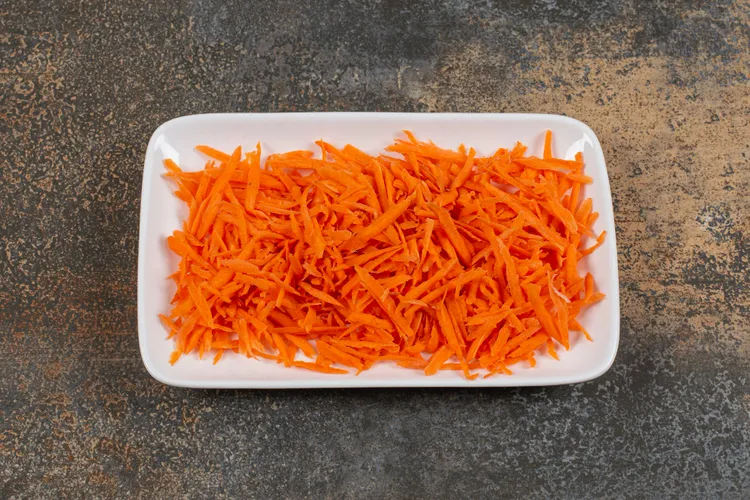
In many traditional Italian kitchens, a whole carrot is simmered in the tomato sauce and removed before serving. Carrots are mildly sweet and absorb some of the acid as the sauce cooks. It's a slow, gentle method - more suited to a long Sunday sauce than a quick weeknight fix - but it produces an exceptionally smooth result with no risk of overshooting.
How Professionals Balance Acidity
In a professional kitchen, tasting and adjusting is a continuous process, not a one-time fix. A chef building a tomato sauce is thinking about acid balance from the very first step: how long the onion cooks, whether to add a touch of wine and let it reduce fully, how ripe the tomatoes are, and whether a finishing fat will be needed.
The professional reflex when a sauce tastes sharp is never to reach immediately for sugar. The first question is: what's missing? Often it's not that there's too much acid - it's that there's not enough fat, not enough body, or not enough cooking time for the flavours to integrate. Sugar and baking soda are tools of last resort in a well-run kitchen, used only after technique has been exhausted.
The lesson for home cooks: treat acidity as something to manage throughout cooking, not just something to fix at the end.
Sharp tomato sauce is almost always an acid problem, and acid problems have simple, reliable solutions. A pinch of sugar, a careful scrape of baking soda, a slow-cooked onion base, or a finishing knob of butter - any of these, used correctly, will transform a harsh sauce into a rounded one.
The deeper skill is learning to taste for acid balance at every stage of cooking, not just when something goes wrong. The best tomato sauce you've ever had wasn't an accident. Someone along the way was paying attention to this exact thing.
Next time your sauce tastes off, don't add more herbs, don't turn up the heat, and don't start over. Reach for the sugar. Just use less than you think you need.
Summary of Key Points
- Tomatoes are naturally acidic (pH 4.0-4.6), and that acidity concentrates as sauce reduces during cooking.
- Canned tomatoes often have extra citric acid added for food safety, making them start sharper than fresh.
- A small amount of sugar (¼ to ½ teaspoon) neutralises sharpness without making sauce taste sweet.
- Baking soda directly reduces acid through a chemical reaction - use a tiny pinch and stop immediately after the fizz settles.
- Cooking onion low and slow before adding tomatoes builds natural sweetness that prevents sharpness from developing.
- A carrot simmered in the sauce is a traditional Italian method for gentle, gradual acid reduction.
- Butter and cream soften the perception of acidity through fat - a finishing technique, not a chemical fix.
- Always taste for balance throughout cooking, not just at the end - acid management starts at the first step.
Latest