Why Does Food Stick to Stainless Steel Pans and How to Fix It
You've done everything right - the pan looks clean, the burner is on - and still, your food sticks. The frustrating truth is that stainless steel pans require one specific technique most recipes never mention. Once you understand the science, you'll never have a sticky pan again.
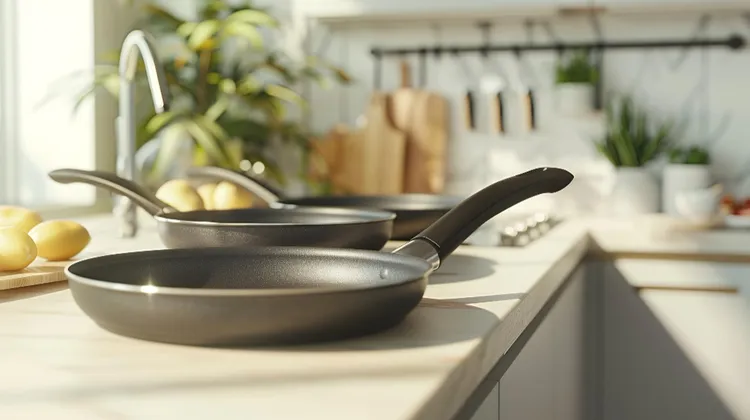
Most people assume their stainless steel pan is broken or defective when food sticks. It's not. In fact, stainless steel is designed in a way that almost guarantees food will stick - unless you know one key trick.
Professional chefs use stainless steel pans all day long without food sticking. Their secret has nothing to do with expensive pans or magic sprays. It comes down to physics, protein chemistry, and temperature.
Why Does Food Stick to Stainless Steel?
Food sticks to stainless steel because of microscopic pores in the metal surface that expand when heated. When cold food hits a pan that isn't hot enough, proteins bond directly to the metal at a molecular level. The fix is simple: preheat the pan properly, and food will release on its own - no scrubbing needed.
Why This Happens:
Stainless Steel Is Not Actually Smooth
Under a microscope, stainless steel looks like a mountain range - full of tiny peaks and valleys. When food proteins (like those in meat, eggs, or fish) land on a cold or improperly heated surface, they flow into those micro-pores and physically bond with the metal as they cook. That's sticking in its most literal form.
The Role of the Leidenfrost Effect
Here's where it gets fascinating. When your stainless steel pan reaches the right temperature, something remarkable happens: water droplets from your food flash-evaporate instantly, creating a thin layer of steam between the food and the metal. This steam layer actually prevents direct contact - and that means food slides freely.
This phenomenon is called the Leidenfrost effect, and it's the physical reason a properly preheated stainless steel pan is nearly non-stick.
Protein Bonding: The Culprit Behind Sticking
Proteins in food - especially in meat, eggs, and fish - are long chains of molecules that unfold when heated. In a cold or under-heated pan, these unfolded proteins grab onto the metal surface before they have time to set. Once set (cooked through), proteins naturally pull away from the metal on their own. That's why chefs say: "If it's sticking, it's not ready to flip."
What Most People Get Wrong
- Myth 1: Stainless steel is just bad at non-stick. Wrong. It's excellent - when used correctly. The pan isn't the problem; the technique is.
- Myth 2: More oil = less sticking. Adding a lot of cold oil to a cold pan, then heating it, often makes things worse. The oil doesn't form a proper barrier - it just pools.
- Myth 3: You need to scrub stainless steel hard. If you're scrubbing, something went wrong before the food hit the pan. A properly used stainless steel pan is easy to clean.
- Myth 4: High heat prevents sticking. Dangerously high heat can actually make sticking worse by scorching food onto the surface faster than it can release. You want the right heat, not the most heat.
- Myth 5: The pan is ruined after sticking once. Not at all. Stainless steel is nearly indestructible. A good soak and a proper scrub restore it completely.
How to Stop Food from Sticking
The Water Drop Test (Most Important Tip)
Before adding oil or food, drop a few water droplets into the dry, preheated pan. If they immediately sizzle and evaporate, the pan isn't hot enough. If they form a single mercury-like bead that glides around the surface - that's the Leidenfrost effect in action, and the pan is ready. Add your oil now.
The Right Preheat Sequence
- Place the empty pan on medium to medium-high heat
- Wait 2-3 minutes - longer than you think you need
- Do the water drop test
- Add your cooking fat and let it heat for 30 seconds
- Add food - don't crowd the pan
Choose the Right Fat
Use a fat with a high smoke point for high-heat cooking. Good options include avocado oil, clarified butter (ghee), grapeseed oil, or refined vegetable oil. Avoid extra virgin olive oil for high-heat searing - it burns before it can do its job.
Don't Move the Food Too Soon
This is the most common mistake. When you first add food to a hot stainless steel pan, it will stick slightly - that's normal. Leave it alone. As the proteins set and brown, the food will naturally release. If you tug it and it resists, wait another 30-60 seconds. It will let go.
Dry Your Food Before Cooking
Moisture is the enemy of a good sear. Pat meat, fish, and vegetables completely dry with paper towels before they go in the pan. Excess surface moisture creates steam, which drops the pan temperature and increases sticking.
The Restaurant Trick
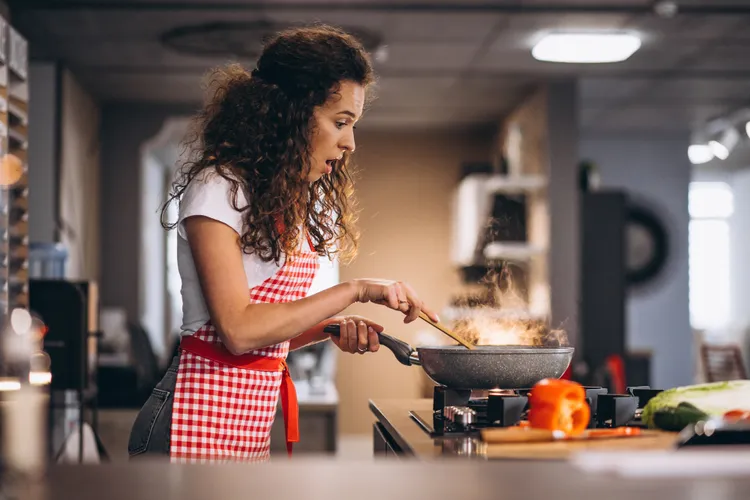
In professional kitchens, cooks preheat their stainless steel pans for 3-5 minutes before service even begins - and they keep them warm throughout the shift. They also season pans between uses with a thin wipe of oil, similar to cast iron care. For home cooks, the shortcut is this: always give your stainless steel pan more time to preheat than feels comfortable. Two minutes feels like forever. Use that time.
Another pro move: deglaze the pan after cooking. Pour in a splash of wine, stock, or even water immediately after removing food. The liquid lifts all the browned bits (called fond) that stuck to the pan - those bits are pure flavor and the base of incredible pan sauces. What seemed like a stuck mess becomes the best part of the dish.
Your Pan Has a Memory
Stainless steel expands and contracts as it heats and cools - and it does this unevenly across the surface. Over many years of use, this creates what chefs call a "seasoned" stainless pan: a subtle patina of polymerized oils baked into the microscopic surface. Older, well-used stainless pans are often more naturally non-stick than brand-new ones - the exact opposite of what most people expect.
So if you've been frustrated with your new stainless pan, give it time. Every meal makes it slightly better.
Food sticks to stainless steel pans almost entirely because of temperature, not the pan itself. The metal needs to be hot enough to trigger the Leidenfrost effect - a steam barrier that prevents food from bonding to the surface. Preheat longer than you think you need, use the water drop test, add oil to a hot pan, and let your food sit until it releases naturally.
Master those four steps, and stainless steel becomes one of the most rewarding cooking surfaces you'll ever use.
In Short
- Food sticks because proteins bond to microscopic pores in under-heated stainless steel
- The Leidenfrost effect creates a steam barrier that prevents sticking - but only at the right temperature
- Always preheat your empty pan for 2-3 minutes before adding oil
- Use the water-drop test: a mercury-like bead means your pan is ready
- Add oil to a hot pan, not a cold one
- Don't move food too soon - it will naturally release when it's ready to flip
- Dry your food before cooking to prevent steam and temperature drops
- Stainless steel pans improve with age - a well-used pan is nearly non-stick
- When food does stick, deglaze the pan for an instant pan sauce
Latest