Why Doesn't Honey Spoil? The Fascinating Food Science Explained
Archaeologists have found 3,000-year-old honey in Egyptian tombs - and it was still perfectly edible. That's not luck. Honey is one of the few foods on earth with a virtually unlimited shelf life, and the reasons why are rooted in pure food science.
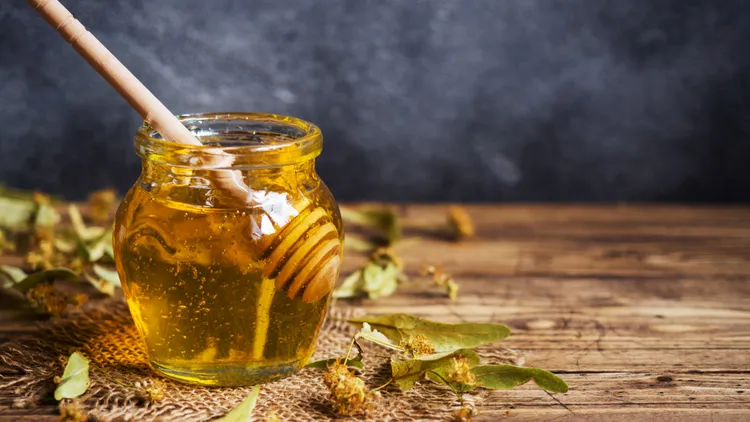
Archaeologists Found 3,000-Year-Old Honey in Egyptian Tombs. It Was Still Edible.
That's not a legend. It's documented fact. Honey discovered in ancient Egyptian burial sites has been tested and confirmed to be safe - and even sweet - after three millennia underground.
So what makes honey essentially immortal while almost every other food eventually rots, molds, or ferments? The answer lies in a combination of chemistry, biology, and the remarkable work of bees.
Why Doesn't Honey Spoil?
Honey resists spoilage because of four key properties working together: extremely low moisture content, high acidity, the presence of natural hydrogen peroxide, and a high sugar concentration that pulls water out of any bacteria that tries to survive in it.
In short, honey creates an environment so hostile to microorganisms that nothing can grow in it - not bacteria, not mold, not yeast. When stored properly in a sealed container, pure honey has an indefinite shelf life.
Why This Happens:
Low Moisture Content Starves Bacteria
Most bacteria and molds need water to survive and reproduce. Honey contains only about 17-20% water, far below the threshold most microorganisms need to thrive. When bacteria land in honey, the sugar actually draws moisture out of their cells through a process called osmosis. The bacteria dehydrate and die before they can reproduce.
This is the same principle behind salt-curing and sugar-preserving foods - concentrated sugars and salts create a hostile, dry environment.
High Sugar Concentration Locks Out Microbial Growth
Honey is roughly 80% sugar (primarily fructose and glucose). That extreme concentration creates what food scientists call "low water activity." There simply isn't enough free water available for microbes to use, even though honey looks liquid.
Think of it this way: the sugar molecules are hogging all the water molecules. Bacteria arrive looking for hydration and find none.
Natural Hydrogen Peroxide Acts as a Built-In Preservative
Here's the part most people don't know. When bees process nectar, they add an enzyme called glucose oxidase. This enzyme reacts with the glucose in honey to produce small amounts of hydrogen peroxide - the same compound used as an antiseptic for wounds.
This hydrogen peroxide isn't enough to harm you, but it's enough to kill bacteria. It's a slow, continuous antibacterial process baked right into honey's chemistry.
Acidic pH Makes It Hostile to Microbes
Honey has a pH between 3.2 and 4.5 - acidic enough to inhibit most bacterial growth. Most harmful bacteria prefer a neutral to slightly alkaline environment (pH 6-7). The acidity of honey puts them well outside their comfort zone.
This combination - low moisture, high sugar, hydrogen peroxide, and acidity - works like a four-lock security system against spoilage.
What Most People Get Wrong About Honey
"My honey has gone bad because it crystallized"
This is the most common honey misconception. Crystallization is not spoilage. It's a completely natural process where glucose molecules form crystals over time, especially in cooler temperatures. The honey is perfectly safe, tastes exactly the same, and can be returned to liquid form by gently warming it.
Quick fix: Place the jar in warm water (not boiling) for 15-20 minutes and stir. Never microwave honey - it destroys beneficial enzymes and can scorch the sugars.
"Honey lasts forever no matter what"
Almost true - but with one important caveat. Pure, properly stored honey lasts indefinitely. Diluted honey, honey left uncovered, or honey exposed to moisture is a different story. Even a small amount of added water can raise the water activity enough for wild yeasts to ferment the honey. This is actually how mead (honey wine) is made.
"Raw honey and regular honey behave the same way"
They don't. Raw honey retains more of the glucose oxidase enzyme and other antimicrobial compounds. Heavily processed or pasteurized honey has some of these enzymes degraded by heat, which doesn't affect shelf life dramatically, but does reduce some of the antibacterial potency.
"The 'best by' date means honey expires"
It doesn't. In most countries, honey is required by law to carry a best-by date - but that date refers to optimal flavor and texture quality, not safety. Properly stored honey is safe to eat indefinitely.
Practical Cooking Tips for Storing and Using Honey
Store it sealed and dry. Always keep honey in a tightly sealed container. Moisture is honey's only real enemy. Even the small amount of humidity in your kitchen air, if let in repeatedly, can eventually allow fermentation.
Avoid metal containers. Honey's acidity can react with metals over time, affecting the flavor. Glass jars are ideal.
Room temperature is best. Don't refrigerate honey. Cold temperatures speed up crystallization and don't provide any preservation benefit - honey is already self-preserving. Aim for a cool, dark cupboard.
Use a dry spoon every time. Never use a wet or food-contaminated spoon to scoop honey. Water and food particles introduce exactly the moisture and microbes that honey's chemistry works so hard to exclude.
Revive crystallized honey correctly. Set the jar in a bowl of warm water and let it sit. For large batches, a slow cooker on the lowest setting with the jar sitting in water works well. Keep the temperature under 40°C / 104°F to preserve enzymes.
Why Professionals Reach for Honey as a Preservative
Honey's antimicrobial properties have been used in professional kitchens for centuries - often without cooks fully understanding the science behind it.
Pastry chefs use honey in cakes and baked goods not just for sweetness, but because it retains moisture longer, extending the shelf life of finished products. A honey cake stays tender for days longer than a sugar cake.
In fermentation and charcuterie, honey glazes on cured meats create an inhospitable surface for bacterial growth while building flavor.
Some high-end restaurants use raw honey to lightly cure delicate fish or soft cheeses - the acidity and antimicrobial compounds gently firm the texture and reduce surface bacteria without heat. It's an ancient technique that modern kitchens are rediscovering.
Fun Fact: Honey Is the Only Food Made by an Insect That Humans Eat
Bees reduce the water content of nectar by fanning it with their wings - an active dehydration process that happens inside the hive. They also add enzymes during processing that kick off the hydrogen peroxide reaction.
In other words, bees don't just collect honey. They engineer it. The remarkable shelf life of honey isn't an accident of nature - it's the result of a biological process refined over 30 million years of evolution.
Oh, and one more: NASA has studied honey as a potential food source for long-duration space missions, precisely because of its stable, indefinite shelf life.
Honey Is Nature's Most Perfectly Preserved Food
The reason honey doesn't spoil comes down to four interlocking properties - low moisture, high sugar concentration, natural hydrogen peroxide, and acidity - that combine to make it uninhabitable for microorganisms.
The practical takeaway for home cooks is simple: treat honey well and it will last indefinitely. Keep it sealed, keep it dry, never refrigerate it, and don't panic when it crystallizes. That ancient jar at the back of your cupboard? It's almost certainly still perfect.
In Short
- Honey doesn't spoil because of four combined properties: low moisture (~17-20%), high sugar concentration (~80%), natural hydrogen peroxide from glucose oxidase enzyme, and acidic pH (3.2-4.5).
- Crystallization is not spoilage. It's a normal physical process. Warm the jar gently to reliquefy.
- The "best by" date on honey is about quality, not safety. Pure honey stored correctly has no expiration date.
- Moisture is the only real danger. Water introduced into honey raises water activity and can allow fermentation.
- Store honey at room temperature in a sealed glass jar, away from direct sunlight.
- Always use a dry spoon to avoid introducing water or food particles.
- Raw honey retains more antimicrobial enzyme activity than heavily processed honey, though both store indefinitely.
- Professionally, honey is used to extend shelf life in baked goods, cured meats, and even delicate fish preparations.
- 3,000-year-old honey found in Egyptian tombs was still edible - the same chemistry protecting your kitchen jar was protecting theirs.
Latest