Why Fermented Foods Are Good for You
Humans have been fermenting food for at least 10,000 years - long before anyone understood what was actually happening. The science explaining why fermented foods benefit health is surprisingly recent, and considerably more interesting than "good bacteria." Here's what fermentation does to food, what it does to your gut, and how to use it in everyday cooking.

Here's a question most people haven't considered: why do humans in virtually every culture on earth, across every era of recorded history, independently arrive at the same practice of deliberately letting food transform under microbial activity? Korean kimchi, German sauerkraut, Indian dosas, Ethiopian injera, Japanese miso, West African ogi - the principle of controlled microbial fermentation appears in almost every food culture in the world. That level of convergence usually means something important is happening.
For most of history, fermentation was used for preservation and flavour. What food science is now revealing is that the benefits go considerably deeper - into how fermented foods interact with the trillions of microorganisms living in the human gut.
The Answer
Fermented foods are beneficial primarily because they introduce live beneficial microorganisms (probiotics) into the gut, produce new bioactive compounds during fermentation that weren't present in the original food, and in many cases pre-digest certain compounds that the human digestive system struggles with - making nutrients more bioavailable and the food easier to tolerate.
The gut microbiome - the community of approximately 38 trillion microorganisms living in the human digestive system - is increasingly understood to influence digestion, immune function, and overall health. Fermented foods are one of the most effective dietary ways to support and diversify it.
The Science of Fermentation
Fermentation is a metabolic process in which microorganisms - bacteria, yeasts, or moulds - break down sugars and other compounds in food using enzymes. The byproducts of this breakdown include organic acids (like lactic acid), carbon dioxide, alcohol, and a wide range of bioactive compounds that weren't present in the original food.
What Fermentation Does to the Food Itself
The changes fermentation makes to food are structural, chemical, and nutritional - not just flavour-based:
- Proteins are partially broken down into shorter peptides and free amino acids, making them easier to digest and more bioavailable.
- Phytic acid - an antinutrient found in grains and legumes that binds minerals and prevents their absorption - is significantly reduced. Fermented bread (sourdough) and fermented legumes deliver more available iron, zinc, and magnesium than their unfermented equivalents.
- Lactose is partially broken down by lactobacillus bacteria - which is why many people who are lactose intolerant can digest yoghurt and kefir more easily than fresh milk.
- New bioactive compounds - including vitamins (particularly B vitamins and vitamin K2), short-chain fatty acids, and beneficial organic acids - are produced during fermentation that weren't present before.
What Fermented Foods Do in the Gut
The human gut microbiome contains roughly 38 trillion microbial cells - more than the total number of human cells in the body. This community plays a role in digestion, immune regulation, vitamin synthesis, and even neurological signalling (the gut-brain axis). Its diversity and balance are increasingly linked to health outcomes ranging from digestive comfort to immune function.
Fermented foods contribute to the gut microbiome in two ways: by directly introducing live microorganisms (probiotics) that temporarily populate the gut, and by providing substrates (prebiotics) that feed existing beneficial bacteria. A landmark 2021 Stanford University study found that a diet high in fermented foods significantly increased microbiome diversity and decreased markers of inflammation compared to a high-fibre diet alone.
"Every culture on earth independently discovered fermentation. The gut microbiome science is just now catching up with what thousands of years of human experience already knew."
What Most People Get Wrong
| Myth | Fact |
|---|---|
| All fermented foods contain live probiotics and are equally beneficial. | Only unpasteurised fermented foods contain live microorganisms. Commercially produced sauerkraut, pickles, and most supermarket yoghurts are often pasteurised after fermentation, killing the bacteria. Look for "live cultures" or "raw" on labels. |
| You need to eat large amounts of fermented food to see any benefit. | Smaller regular amounts (a tablespoon of kimchi, a portion of yoghurt) appear to contribute meaningfully when consumed consistently over time. Consistency matters more than quantity. |
| Sourdough bread is a probiotic food like yoghurt. | The baking process kills the live bacteria in sourdough. Its benefits are different - sourdough fermentation reduces phytic acid and partially pre-digests gluten, making it easier to digest. Not a probiotic food, but a nutritionally transformed one. |
| All pickled foods are fermented and carry the same benefits. | Vinegar pickling and lacto-fermentation are completely different. Vinegar pickles have no live bacteria. Only lacto-fermented foods (real sauerkraut, kimchi, traditional pickles) have probiotic properties. |
Fermented Foods at a Glance: What Each One Offers
Yoghurt - Live cultures (if unpasteurised) Among the most studied fermented foods. Contains Lactobacillus and Streptococcus thermophilus. Lactose is partially broken down. Best bought with "live cultures" label. Greek yoghurt additionally provides concentrated protein.
Kefir - Live cultures - highest diversity Contains a significantly wider variety of bacterial and yeast strains than yoghurt - typically 30+ species versus yoghurt's 2-7. Research suggests kefir produces stronger microbiome diversity effects than most other fermented foods.
Kimchi - Live cultures + prebiotic fibre Lacto-fermented vegetables containing Lactobacillus kimchii and other strains. Also high in fibre, which feeds existing gut bacteria. One of the most nutritionally complex fermented foods available. Must be unpasteurised for probiotic effect.
Sauerkraut - Live cultures (raw only) Lacto-fermented cabbage. High in vitamin C - historically used to prevent scurvy on long sea voyages. Raw/refrigerated sauerkraut from delis or natural food stores contains live bacteria; shelf-stable jarred versions typically do not.
Miso - Bioactive compounds + flavour Fermented soybean paste containing beneficial compounds produced by Aspergillus oryzae mould. Contains glutamate (umami), B vitamins, and bioactive peptides. Add to soups off the heat - never boil - for maximum benefit.
Sourdough Bread - Nutritionally transformed (not probiotic) No live bacteria survive baking. However, fermentation significantly reduces phytic acid, increases mineral bioavailability, partially breaks down gluten, and lowers the glycaemic index compared to conventional bread.
Kombucha - Live cultures + organic acids Fermented tea containing a range of bacterial and yeast species. Produces organic acids, B vitamins, and small amounts of alcohol. Benefits likely real but more modest than yoghurt or kefir for microbiome diversity. Check commercial versions for high sugar content.
Tempeh - Complete protein + bioavailability Fermented soybeans bound by Rhizopus mould. Fermentation increases protein digestibility and significantly reduces phytic acid. Cooking kills the live mould but the nutritional transformation remains.
Aged Cheese - Complex bioactive compounds Long-aged cheeses (Parmigiano-Reggiano, Comté, Gouda) contain significant bacterial metabolites including vitamin K2. The fermentation process also breaks down lactose, making most aged cheeses tolerable for the lactose-sensitive.
How to Include More Fermented Foods
Add fermented condiments as finishing elements
The easiest way to incorporate more fermented foods is as finishing ingredients - not cooking ingredients - because heat kills live bacteria. A spoonful of kimchi alongside a bowl of rice, raw sauerkraut with a sausage, miso stirred into soup off the heat, or live yoghurt served with roasted vegetables all deliver probiotic benefit without requiring the main dish to change.
Swap pasteurised versions for live alternatives
Switch from pasteurised to live yoghurt, and from vinegar pickles to lacto-fermented ones. These swaps require almost no change in eating habits but shift from zero probiotic benefit to meaningful probiotic benefit. Look for "live cultures," "raw," or "naturally fermented" on labels.
Use sourdough instead of conventional bread
Even without live bacteria, sourdough's reduced phytic acid and lower glycaemic response make it a meaningfully better nutritional choice than standard white bread. The slower digestion rate also improves satiety.
Simple Ways to Add Fermented Foods Every Day
- Morning: Live yoghurt with fruit and nuts; kefir in a smoothie; sourdough toast.
- Lunch: Kimchi or sauerkraut alongside a sandwich or grain bowl; miso soup as a starter.
- Dinner: Miso stirred into soup or sauce off the heat; sauerkraut alongside roasted meat; tempeh as a protein in stir-fries; a slice of aged cheese to finish.
Variety and consistency matter more than quantity - different fermented foods introduce different microbial strains, and a diverse microbiome appears to be more beneficial than one dominated by fewer species.
How Fermentation Is Reshaping Modern Kitchens
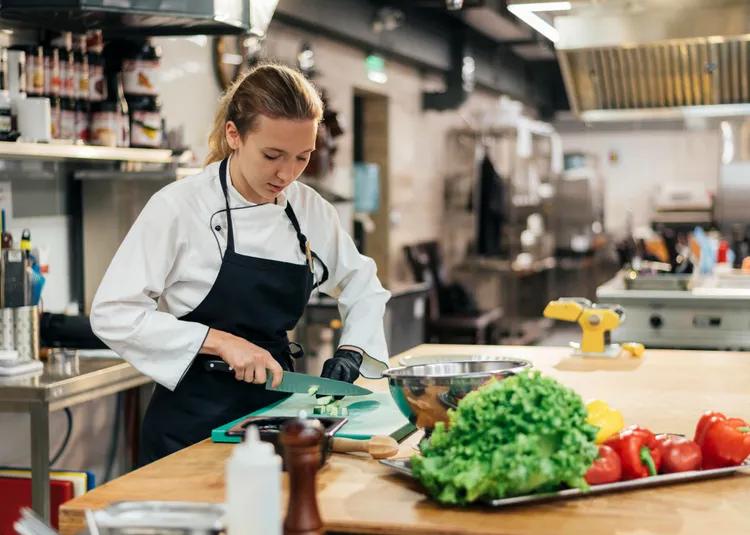
Fermentation has moved from a preservation necessity to one of the most exciting frontiers in contemporary cooking. Many of the world's most influential restaurants - Noma in Copenhagen being the most famous example - have dedicated fermentation labs producing house-made misos, lacto-fermented vegetables, vinegars, and cured products that take weeks or months to develop.
The reason professional cooks are drawn to fermentation goes beyond health: fermented ingredients are flavour-concentrated in ways that fresh ingredients simply aren't. A spoonful of house-made miso or a few drops of lacto-fermented chilli sauce can transform a dish's depth in ways fresh equivalents cannot. The microbial transformation creates flavour compounds - acids, esters, umami molecules - that have no shortcut.
The home cook takeaway: even simple home fermentation - a jar of lacto-fermented vegetables, a batch of yoghurt - produces ingredients of remarkable flavour complexity that commercial equivalents rarely match. The technique is genuinely accessible; the results are reliably excellent.
The human gut microbiome contains approximately 38 trillion microbial cells and over 1,000 different species of bacteria - and no two people's microbiomes are identical. Even identical twins raised in the same household have measurably different gut microbiomes. This individuality is one reason why responses to specific fermented foods vary between people, and why diversity of fermented food consumption - eating many different types rather than large amounts of one - appears to be more beneficial than any single fermented food consumed in quantity.
Here's What It All Comes Down To
Fermented foods work through multiple mechanisms simultaneously: introducing live microorganisms that support the gut microbiome, producing bioactive compounds that weren't present before fermentation, and pre-digesting certain antinutrients and complex molecules that human digestive systems struggle with. The benefits are real, measurable, and increasingly well-understood.
The practical approach doesn't require dramatic dietary changes - it requires consistent, varied inclusion of live fermented foods as finishing and condiment ingredients, and making simple swaps (live yoghurt over pasteurised, sourdough over conventional bread, raw sauerkraut over vinegar pickles) that don't change how you eat but significantly change what your gut receives.
In Short
- Fermentation transforms food's chemical composition - reducing antinutrients, increasing bioavailability, producing new vitamins and bioactive compounds, and partially pre-digesting proteins and lactose.
- The gut microbiome contains approximately 38 trillion microbial cells and influences digestion, immune function, and more - fermented foods are one of the most effective dietary ways to support and diversify it.
- Only unpasteurised fermented foods contain live bacteria. Look for "live cultures," "raw," or "naturally fermented" labels.
- Vinegar pickling and lacto-fermentation are completely different. Vinegar pickles have no live bacteria; lacto-fermented foods (kimchi, real sauerkraut) do.
- Sourdough's benefits come from fermentation transforming the dough - not from live bacteria, which don't survive baking.
- Kefir contains 30+ microbial species versus yoghurt's 2-7, making it the most microbiome-diverse common fermented food available.
- Add fermented foods as finishing ingredients where possible to preserve live bacteria - miso off the heat, kimchi alongside rather than cooked in.
- Diversity of fermented food consumption appears more beneficial than large amounts of a single type - different ferments introduce different microbial strains.
Latest