Does Alcohol Really Cook Out of Food? The Truth Most Recipes Don’t Tell You
Many recipes say “the alcohol cooks off.” But does it really disappear completely? The truth is more nuanced - and understanding it helps you cook more confidently, especially for kids, guests who avoid alcohol, or dietary concerns.
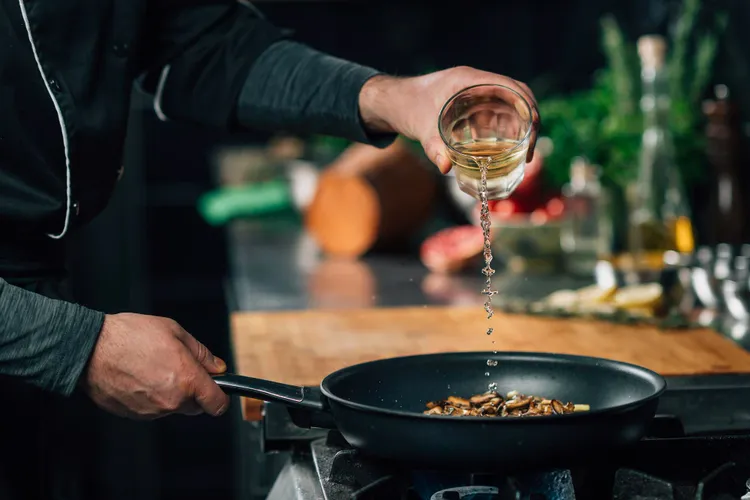
Alcohol does not instantly “burn off” when you cook it.
Even after simmering, baking, or flambéing, some alcohol usually remains. The amount depends on cooking time, temperature, surface area, and method.
It’s not all-or-nothing. It’s gradual reduction.
Alcohol does not fully cook out of food in most recipes. While heat reduces alcohol content over time, a measurable amount can remain - especially in dishes that simmer briefly or are baked for short periods. The longer and more exposed the cooking process, the more alcohol evaporates.
Why This Happens
Let’s break down what’s actually happening.
Alcohol Has a Lower Boiling Point Than Water
Ethanol (drinking alcohol) boils at about:
173°F (78°C)
Water boils at:
212°F (100°C)
This is why people assume alcohol “cooks off” quickly.
But boiling point alone doesn’t tell the whole story.
Evaporation Is Gradual - Not Instant
Even though alcohol boils at a lower temperature, it doesn’t vanish immediately.
Why?
Because alcohol mixes with:
-
Water
-
Fats
-
Sugars
-
Proteins
When mixed into food, alcohol molecules bond and disperse throughout the dish. They don’t sit separately waiting to evaporate.
Evaporation becomes slower and more complex.
Surface Area Matters
Alcohol evaporates faster when:
-
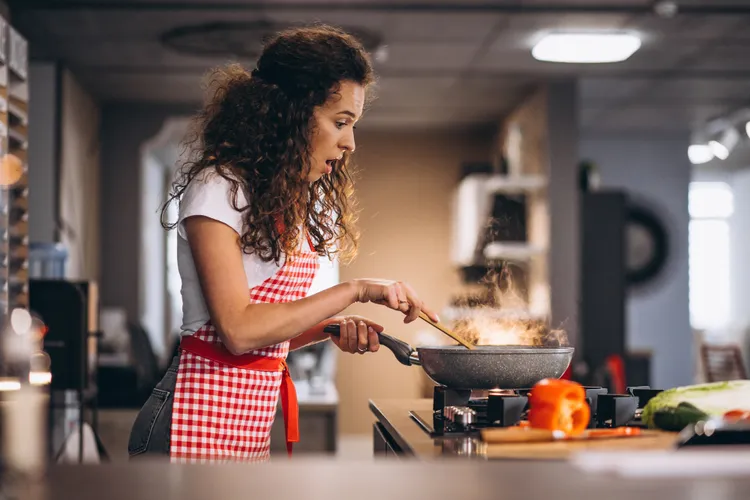
The pan is wide and uncovered
-
There is high heat
-
Cooking time is long
It evaporates slower when:
-
The dish is covered
-
The pan is narrow
-
Cooking time is short
-
The food is dense (like cake or stew)
Steam carries alcohol away - but only if it can escape.
How Much Alcohol Actually Remains?
Research from the U.S. Department of Agriculture provides approximate retention estimates.
After cooking:
-
Flambé (alcohol ignited briefly): about 75% remains
-
Simmered 15 minutes: about 40% remains
-
Simmered 30 minutes: about 35% remains
-
Simmered 1 hour: about 25% remains
-
Simmered 2 hours: about 10% remains
-
Simmered 2.5+ hours: about 5% remains
These are averages, not exact numbers.
But the key takeaway is clear:
Alcohol decreases gradually over time - it doesn’t disappear instantly.
What Most People Get Wrong
Myth: Flambéing Removes All Alcohol
Lighting alcohol on fire looks dramatic.
But flambéing burns off surface vapors only.
Most alcohol inside the food remains.
The flame lasts seconds - not long enough to remove everything.
Myth: Boiling Eliminates Alcohol Immediately
Even at boiling temperatures, alcohol evaporates progressively.
As long as liquid remains in the dish, some alcohol may remain too.
Myth: You Can Taste If Alcohol Is Gone
Taste is not a reliable indicator.
Alcohol presence and “alcohol flavor” are different.
The sharp burn may fade before all alcohol is gone.
Myth: Baking Always Removes Alcohol
In baked goods:
-
Alcohol gets trapped in batter
-
Evaporation is slower
-
Some alcohol often remains
Especially in cakes soaked with liqueur or rum after baking.
Practical Cooking Tips
Here’s how to manage alcohol in recipes safely and intentionally.
1. If You Want Maximum Alcohol Reduction
-
Simmer uncovered
-
Use a wide pan
-
Stir occasionally
-
Cook for at least 1-2 hours
Time and surface area matter more than flame height.
2. If Cooking for Children or Avoiding Alcohol Completely
Best options:
-
Use alcohol-free wine or beer substitutes
-
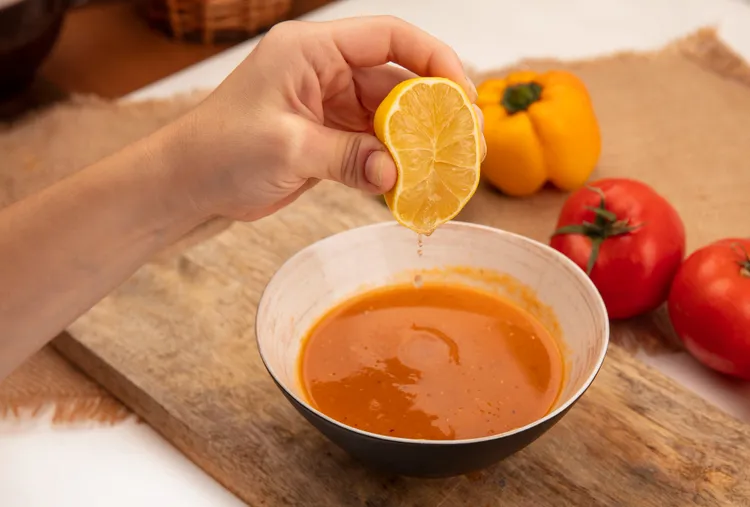
Replace wine with broth plus a splash of vinegar or lemon juice
-
Skip spirits entirely in sauces
If total elimination is necessary, substitution is safer than long simmering.
3. Add Alcohol Early for Flavor Development
When using wine in sauces:
-
Add early
-
Simmer to reduce before adding other ingredients
This enhances flavor while reducing alcohol content significantly.
4. Add Alcohol Late Only If You Want Its Presence
In dishes like:
-
Tiramisu
-
Rum cake glaze
-
Pan sauces finished with brandy
Alcohol flavor remains more pronounced when added at the end.
Why Chefs Use Alcohol in Cooking
Alcohol does something water cannot.
It dissolves certain flavor compounds that are:
-
Fat-soluble
-
Alcohol-soluble
Wine and spirits help extract aromatic compounds from:
-
Herbs
-
Garlic
-
Onions
-
Spices
-
Tomato paste
This deepens flavor complexity.
Even if some alcohol remains, its role in flavor extraction is valuable.
In professional kitchens, alcohol is rarely added casually.
It’s used strategically:
-
Deglazing pans to dissolve browned bits
-
Enhancing aroma
-
Balancing acidity
Chefs understand that alcohol reduces - not vanishes.
For guests who avoid alcohol entirely, kitchens typically offer modified versions rather than relying on “it cooks off.”
Transparency matters.
Is Food Cooked with Alcohol Safe for Kids?
It depends on:
-
Cooking time
-
Amount used
-
Sensitivity level
If strict avoidance is required, choose alcohol-free alternatives.
Small residual amounts in long-simmered sauces are typically low - but not zero.
Does Alcohol-Free Wine Work the Same?
Alcohol-free wine lacks ethanol but still provides:
-
Acidity
-
Fruit flavor
-
Depth
It won’t extract flavors exactly the same way, but it works well as a substitute.
Does Pressure Cooking Remove Alcohol Faster?
Not necessarily.
Pressure cookers are sealed.
Less evaporation occurs.
Alcohol may remain in higher amounts compared to uncovered simmering.
Does Slow Cooking Remove Alcohol?
Slow cookers are usually covered.
Evaporation is limited.
Alcohol reduction is slower than open simmering.
If reduction is important, cook uncovered first before transferring to slow cooker.
Ingredient Comparison: Wine vs. Spirits
Wine
-
Lower alcohol percentage (10-15%)
-
Higher water content
-
More acidity
-
Reduces relatively faster
Spirits (Vodka, Rum, Brandy)
-
Higher alcohol percentage (35-50%)
-
Stronger impact
-
Require longer cooking to reduce
The stronger the starting alcohol level, the more careful you must be with reduction time.
Alcohol does cook off - but not instantly and not completely in most cases.
Evaporation depends on:
-
Time
-
Heat
-
Surface area
-
Whether the dish is covered
Long simmering significantly reduces alcohol content, but brief cooking leaves more behind.
If complete removal matters, substitution is safer than assumption.
Understanding how alcohol behaves in cooking lets you use it confidently - or replace it wisely.
Remember This
-
Alcohol does not fully disappear in most recipes.
-
Evaporation happens gradually over time.
-
Flambéing removes only a small portion.
-
Longer uncovered simmering reduces alcohol more.
-
Covered cooking slows alcohol evaporation.
-
Baking does not guarantee complete removal.
-
Alcohol enhances flavor extraction.
-
Pressure cooking may retain more alcohol.
-
Substitutions are best if zero alcohol is required.
-
Cooking time and surface area determine reduction level.
Latest