Fruit Crumble: The Perfect Topping, Every Season
The ratios that produce a crumble that stays crisp, the seasonal fruit guide, and the science of why some crumbles go soggy
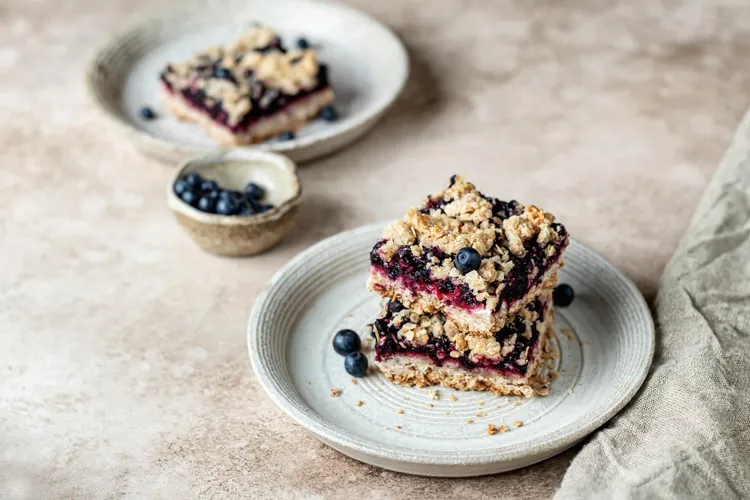
A crumble is the most forgiving dessert in British baking - there is no creaming, no folding, no temperature-critical custard, and no timing that determines success or failure by 90 seconds. It is fruit, covered with a buttery, crumbly mixture of flour, oats, sugar, and cold fat, baked until the fruit bubbles and the topping is golden. It requires no skill beyond the ability to rub butter into flour with your fingertips.
And yet there are bad crumbles. The crumble that produces a soggy, doughy topping rather than a crisp, golden crust. The crumble that tastes of too-sweet stewed fruit under a floury mass. The crumble where the fruit is still sour and un-softened while the topping has over-browned.
The failures are all preventable. This guide covers the ratios that produce a genuinely crisp topping, the fruit preparation that prevents a soggy base, and the seasonal fruit combinations that make this the most versatile dessert in the collection.
Why Some Crumbles Go Soggy
Too much liquid from the fruit: Fruit releases liquid as it cooks. If the crumble topping absorbs this liquid from below before the topping has crusted, it produces a doughy, damp result. The solution: reduce the fruit before adding the topping (cook it briefly in the pan first), or use a deeper dish with the fruit packed more tightly (less surface area for steam to contact the underside of the topping).
Butter that is too warm: Cold butter rubbed into flour produces pea-sized pieces of fat that melt during baking, leaving pockets that crisp into the crumble texture. Warm or melted butter produces a uniform, dense paste that doesn't crisp in the same way. The butter must be cold.
Too much flour relative to other ingredients: A high-flour topping is more susceptible to absorbing moisture from the fruit below. Increasing the oat proportion relative to the flour produces a coarser, crispier topping that absorbs less moisture.
Under-baking: The topping needs to reach an internal temperature sufficient to drive off moisture and crisp fully. 40 minutes at 190°C is the minimum for a proper golden crumble.
The Crumble Topping Formula
The base ratio (enough for a 25-28cm dish serving 6-8):
- 150g plain flour
- 150g rolled oats - traditional porridge oats produce the best texture; instant oats are too fine
- 100g cold unsalted butter, cut into small cubes
- 120g demerara sugar - the coarser crystals of demerara stay more distinct during baking than caster sugar, producing a crunchier result
- Pinch of fine salt
- Optional additions: 50g chopped pecans or almonds, 1 tsp ground cinnamon, ½ tsp ground ginger, 1 tsp vanilla extract
Method
Place the flour, oats, salt, and any spices in a large bowl. Add the cold butter cubes.
Rub the butter into the flour and oats with your fingertips - lift the mixture, press the butter pieces between your thumb and fingers, and let it fall back. Continue until the mixture resembles coarse breadcrumbs with some pea-sized pieces of butter remaining.
The pea-sized pieces matter. These larger butter pieces are what produce the clumps and nuggets that crisp into the characteristic crumble texture. If the butter is completely rubbed in to a fine, uniform crumb, the topping bakes flat and uniform rather than irregular and crisp.
Add the demerara sugar and toss to combine.
Refrigerate the topping while preparing the fruit - 15 minutes in the refrigerator keeps the butter cold and increases the crispness of the finished topping.
The Seasonal Fruit Guide
Spring
Rhubarb and strawberry: Rhubarb is the quintessential spring crumble fruit - intensely tart, turning beautifully pink in the oven. Cut into 3-4cm pieces. Combine with hulled and halved strawberries (added in the final 15 minutes of baking to prevent them from turning to mush). Sweeten generously - rhubarb needs more sugar than most fruits.
Quantities for a 25cm dish: 600g rhubarb + 200g strawberries + 100g caster sugar + 1 tbsp cornflour (to thicken the juice).
Summer
Peach and raspberry: The peak summer crumble. Peaches (peeled or unpeeled - the skin softens in baking) halved, stoned, and roughly chopped, combined with raspberries. The raspberry seeds provide textural interest against the soft peach.
Quantities: 600g peaches + 200g raspberries + 60g sugar + 1 tbsp cornflour.
Gooseberry: The most intensely flavoured summer crumble fruit. Extremely tart raw; beautifully sweet-sharp when baked with sugar. No additional fruit required - the gooseberry stands alone. Top and tail the gooseberries (remove the small green stalks at each end). Use 800g and sweeten with 120g of caster sugar.
Autumn
Apple and blackberry: The most classic British crumble combination. Peel, core, and slice cooking apples (Bramley for maximum acidity and collapse, or dessert apples for more texture). Combine with fresh or frozen blackberries. The blackberry juice turns the apple a beautiful purple-pink.
Quantities: 600g apples + 200g blackberries + 80g sugar + 1 tbsp cornflour.
Pear and ginger: Peel, core, and slice pears into eighths. Add 1 tbsp of finely chopped crystallised ginger and ½ tsp of ground ginger to the fruit. The warm spice against the delicate pear is excellent with crème fraîche.
Winter
Apple and mincemeat: Add 3 tbsp of mincemeat to the apple filling. The mincemeat provides Christmas spice and richness, turning a standard apple crumble into a festive dessert without any additional preparation.
Tinned plum or cherry: Winter crumble from the store cupboard - drain 2 tins of plums or cherries. Combine with their syrup (reduced to a concentrate in a small pan for 5 minutes). The fruit is already soft; the baking time is for the topping only.
Full Recipe: Apple and Blackberry Crumble
Serves 6-8 | Active time: 20 minutes | Baking: 40-45 minutes
Ingredients
Fruit filling:
- 800g Bramley or mixed cooking and dessert apples, peeled, cored, and sliced 5mm thick
- 200g fresh or frozen blackberries
- 80g caster sugar (adjust to the tartness of the apples)
- 1 tbsp cornflour
- 1 tsp vanilla extract
- ½ tsp ground cinnamon
- Squeeze of lemon juice
Crumble topping:
- 150g plain flour
- 150g rolled oats
- 100g cold unsalted butter, cubed
- 120g demerara sugar
- Pinch of salt
- ½ tsp ground cinnamon
Method
Preheat the oven to 190°C (fan).
Prepare the filling: In a large bowl, toss the apple slices with the sugar, cornflour, vanilla, cinnamon, and lemon juice. The cornflour will thicken the released fruit juice during baking, preventing a watery base.
Option A (faster): Transfer directly to the baking dish. The apples will cook from raw during the 40-minute bake.
Option B (better controlled): Cook the apples briefly in a wide saucepan with a splash of water over medium heat for 5-7 minutes until they just begin to soften. This pre-cooking reduces the liquid the apples release during baking and gives more control over the fruit's final texture. Add the blackberries at this stage - they need almost no cooking.
Transfer the fruit to a 25-28cm baking dish.
Make the topping: Rub the butter into the flour, oats, and salt to coarse breadcrumbs with pea-sized pieces remaining. Add the sugar and cinnamon. Toss to combine. Refrigerate while the oven reaches temperature.
Assemble and bake: Spread the crumble topping evenly over the fruit - distribute it loosely and do not press it down. Pressing produces a dense, damp layer; a loose distribution bakes into individual nuggets.
Bake at 190°C for 40-45 minutes until:
- The topping is deep golden - not pale, not brown. The demerara sugar gives it a caramelised colour.
- Fruit juices are visibly bubbling around the edges of the topping
- The topping sounds slightly hollow when tapped - indicating it has dried and crisped
Leave to rest for 10 minutes before serving. The filling continues to set from residual heat, making it easier to serve cleanly.
Serve With
Vanilla custard (pouring): The classic pairing. Warm, loose-poured custard soaks into the gaps in the topping and creates the crumble-and-custard combination that is among the most satisfying cold-weather food in British cooking.
Vanilla ice cream: The thermal contrast - hot crumble against cold ice cream, the ice cream melting into the warm fruit - is equally excellent. The ice cream melts into a custard-like sauce as it contacts the warm fruit.
Clotted cream: The richest accompaniment - a generous spoonful of cold clotted cream placed on the warm crumble. Devonshire cream alongside Devon's most beloved fruit dessert (apple) is a specifically regional pleasure.
Crème fraîche: The tartness cuts the sweetness of the fruit and richness of the topping. Particularly good with apple or rhubarb crumble.
Variations
Vegan Crumble Topping
Replace the cold butter with cold coconut oil or vegan butter (any solid vegan fat, well-chilled). The technique is identical - cold fat rubbed into flour produces the same texture. The flavour is slightly different depending on the fat used; coconut oil adds a subtle coconut note that works well with tropical fruit fillings.
Gluten-Free Crumble Topping
Replace the plain flour with ground almonds or a gluten-free flour blend. Increase the oats to 200g and use certified gluten-free oats. The result has a slightly nuttier flavour and slightly denser texture - the almond version is particularly good with stone fruits.
Crumble Bars
Press half the topping mixture into the base of a lined 23cm square tin. Add the fruit filling. Distribute the remaining topping over the fruit. Bake at 180°C for 30-35 minutes. Cool completely before slicing into bars. The crumble bar is portable, serves as a snack or dessert, and keeps for 3 days at room temperature.
Pro Tips
- Cold butter, always. Use butter straight from the refrigerator. If your hands are warm, work quickly, or grate the cold butter on a coarse grater before rubbing in (grated butter incorporates more easily and stays colder).
- Don't press the topping down. The loose distribution of the topping over the fruit allows even baking and the formation of individual crisp nuggets. Pressing produces a layer that bakes denser and absorbs more moisture.
- Cornflour in the fruit. The starch thickens the fruit's released juice during baking, preventing a watery filling that makes the base of the topping soggy. 1 tbsp per dish is sufficient.
- The crumble can be frozen (before baking). Assemble completely, freeze solid on a baking tray, then wrap tightly. Bake directly from frozen at 180°C for 55-65 minutes. A ready-to-bake frozen crumble is an excellent emergency dessert.
🔗 More British Puddings
Latest