Ramadan Recipes: Suhoor and Iftar for the Full Month
A complete 30-day framework for the pre-dawn and evening meals - sustaining, varied, and rooted in the global traditions that have shaped Ramadan cooking for centuries
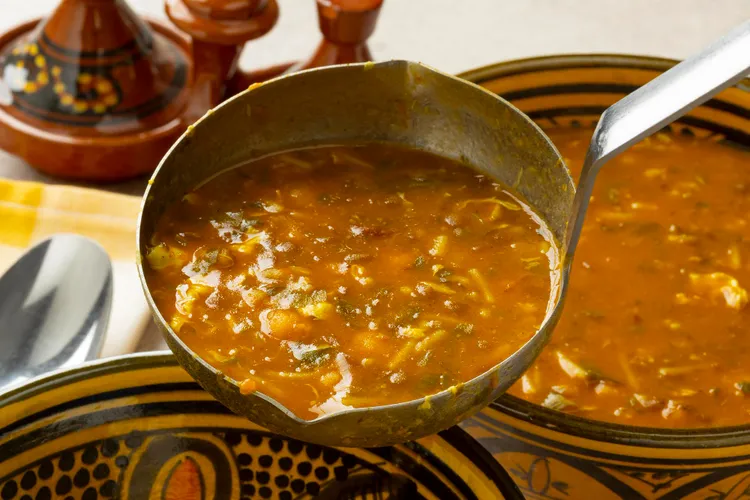
Ramadan cooking has two distinct food moments, each with its own logic and requirements.
Suhoor - the pre-dawn meal eaten before the fast begins - must sustain energy through a long day of fasting. This means protein, complex carbohydrates, healthy fats, and foods with low glycaemic impact that release energy slowly rather than spiking and crashing within hours. A bowl of sweet cereal fails this test. Eggs with whole grain bread, yogurt with fruit and nuts, a savoury lentil preparation, or an oat-based porridge pass it.
Iftar - the meal that breaks the fast at sunset, traditionally beginning with dates and water (following the Sunnah) before more substantial food - has different requirements. After a long day of fasting, the digestive system needs to be eased back into eating. A cup of soup before the main meal, as is traditional across many cultures, gently prepares the stomach. The main iftar meal is typically substantial and celebratory - a family meal, often shared with guests, drawing on the cooking traditions of wherever in the world that family's Ramadan has been practised.
This guide provides a framework for both meals across the full thirty days of Ramadan, with recipes drawn from the major global traditions of Ramadan cooking: North African (Morocco, Algeria, Tunisia, Libya), Middle Eastern (Lebanon, Palestine, Jordan, Egypt, Gulf states), South Asian (Pakistan, Bangladesh, India), and Turkish.
Suhoor: The Sustaining Pre-Dawn Meal
The five characteristics of a good suhoor:
1. Protein - sustains satiety through the fast. Eggs, yogurt, legumes, nuts, dairy.
2. Complex carbohydrates - slow-release energy. Oats, whole grain bread, brown rice, lentils.
3. Healthy fats - sustained energy and satiety. Olive oil, avocado, nuts, eggs (yolks).
4. Hydration - a full glass of water plus hydrating foods (fruit, cucumber, yogurt). Avoid excessive salt or spice at suhoor, which increases thirst during the day.
5. Ease of preparation - suhoor is eaten before dawn, often in the dark, by people who are not fully awake. Simple preparations that can be partially made the night before are preferable to elaborate cooking.
Suhoor Recipes
Egg and Whole Grain Toast (5 minutes) The most reliable suhoor. 2 eggs (scrambled, fried, or boiled the night before and eaten cold), 2 slices of whole grain or sourdough bread (see Sourdough Bread in the Baking collection), a handful of cherry tomatoes, salt, and olive oil. Simple, protein-rich, sustaining.
Overnight Oats with Nuts and Fruit (5 minutes to assemble the night before) Combine 60g rolled oats with 150ml milk or yogurt, 1 tbsp of honey, a pinch of cinnamon, and a handful of nuts and dried fruit in a jar. Refrigerate overnight. Eat cold directly from the jar. One of the most convenient and sustaining suhoor options - made at midnight, eaten at 4am without any cooking.
Full-Fat Yogurt with Honey, Nuts, and Banana (5 minutes) A bowl of full-fat plain yogurt (the fat content is key for sustained satiety) with a drizzle of honey, a sliced banana, and a generous handful of walnuts or almonds. Light to eat, easy to digest at dawn, and sustaining through the day.
Shakshuka (20 minutes - can be partially prepared the night before) The tomato sauce can be made the night before and refrigerated. In the morning, reheat, crack in the eggs, and cook until set. Serve with bread. A more substantial suhoor for the days when a bigger meal is wanted. See One-Pan Shakshuka in the One-Pan collection.
Lentil Soup (from frozen, 5 minutes) A portion of the lentil soup from Ramadan Soups section below, made in batch and frozen in portions, reheated from frozen in the morning. Protein-rich, complex carbohydrate, sustaining.
Ful Medames (Egyptian Fava Bean Stew) The Egyptian and Levantine breakfast staple - particularly well-suited to suhoor for its protein content and sustained energy. Rinse and warm tinned fava beans. Add olive oil, lemon juice, garlic, cumin, and flat-leaf parsley. Eat with warm pitta or bread. One of the most important traditional suhoor preparations across North African and Middle Eastern traditions.
Iftar: Breaking the Fast
The Opening
The traditional iftar opening - following the Sunnah of Prophet Muhammad - is dates and water, before any other food. Dates provide immediate fast-breaking glucose; water rehydrates. After the maghrib prayer, a cup of soup gently prepares the digestive system before the main meal.
Iftar Soups - One for Each Week
Week 1: Harira (Moroccan Tomato, Lentil and Chickpea Soup) The most iconic Moroccan Ramadan soup - substantial enough to serve as the first course before a main meal, or on its own with bread on lighter iftar nights. Combine diced onion, celery, fresh tomatoes (or tinned), cooked chickpeas, cooked brown lentils, lamb mince (optional), a generous pinch of saffron, cinnamon, ginger, turmeric, flat-leaf parsley, and coriander in a large pot. Simmer 30-35 minutes. Finish with a mixture of flour dissolved in water (smen - a traditional thickening technique) and fresh lemon juice. Harira is traditionally served with chebbakia (sesame and honey pastries) on special occasions.
Week 2: Shorba (Algerian Vermicelli Soup) Shorba is Algeria's answer to harira - lighter, more broth-like, with broken vermicelli pasta added in the final 8 minutes of cooking. The base: onion, lamb or chicken pieces, fresh tomatoes, paprika, pepper, dried mint, and a generous amount of olive oil. Simmer until the meat is tender. Add the vermicelli. Simmer 8 minutes. Finish with lemon juice. The dried mint is the defining flavour of shorba.
Week 3: Red Lentil Soup with Lemon and Cumin The simplest and most universal iftar soup across the Middle East - red lentils (no soaking, 20 minutes to cook), onion fried in olive oil until dark golden, cumin, turmeric, and a final squeeze of lemon. Blend to a smooth, bright-orange soup. Serve with warm Arabic bread and a wedge of lemon. The tarka technique (hot spiced oil poured over the top - see How to Cook Lentils) elevates this soup from sustaining to genuinely excellent. See the full recipe in How to Cook Lentils.
Week 4: Turkish Ezo Gelin (Red Lentil and Bulgur Soup) A warming, slightly thick soup from southeastern Turkey - red lentils with fine bulgur wheat, sautéed onion, tomato paste, red pepper flakes, and dried mint. The bulgur gives this soup a slightly more substantial body than a pure lentil soup. Simmer 25 minutes. Finish with a tarka of butter, red pepper flakes, and dried mint.
Main Iftar Dishes - The Full Collection
North African
Moroccan Chicken Tagine with Preserved Lemon and Olives The definitive Moroccan one-pot - chicken pieces braised low and slow with saffron, ginger, turmeric, cumin, coriander, and preserved lemon until deeply flavoured and falling-off-the-bone tender. The preserved lemon adds a salty-sour brightness that distinguishes a Moroccan tagine from any other braised chicken. Serve over couscous (see Rice, Pasta and Grains). Connects to Preserved Lemon in the World Cuisines collection.
Lamb Tagine with Dates and Almonds A sweeter, more festive tagine - lamb shoulder braised with warming spices (cinnamon, ginger, saffron), dates, honey, and toasted blanched almonds. The sweet-savoury balance is specifically associated with Moroccan celebratory cooking. Excellent for the latter days of Ramadan and for Eid.
Middle Eastern
Mansaf (Jordanian Lamb and Fermented Dried Yogurt) The national dish of Jordan and one of the most celebratory preparations in Levantine cuisine. Lamb pieces cooked in a sauce of jameed (dried fermented goat's milk, reconstituted - available from Middle Eastern shops) or, for accessibility, a combination of plain yogurt and soured cream enriched with lamb stock. Served over rice topped with toasted nuts and flatbread. Mansaf is the dish served at the most important occasions - weddings, Eid, and the breaking of long fasts. If jameed is unavailable, a labne (strained yogurt) sauce approximates the flavour profile.
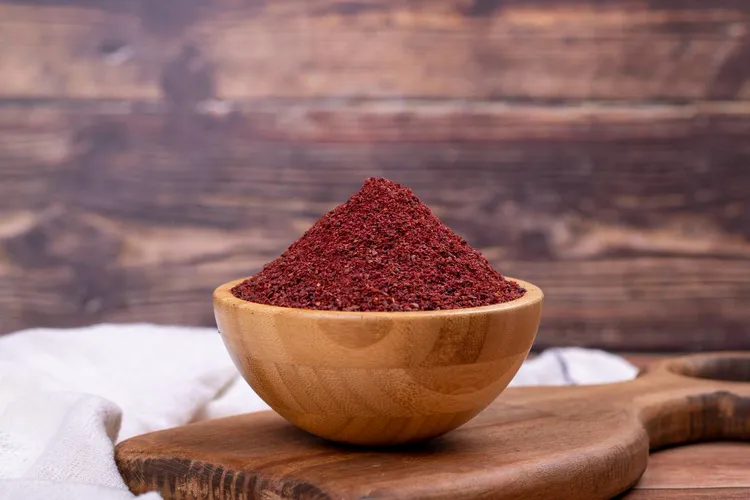
Musakhan (Palestinian Chicken with Sumac and Onions) Slow-cooked chicken pieces over a massive quantity of caramelised onions, spiced with generous amounts of sumac (see Sumac post in the World Cuisines collection), allspice, and cinnamon. Served over taboon flatbread that absorbs the cooking juices. One of the great dishes of Palestinian cuisine and one that scales naturally to a Ramadan gathering.
Koshari (Egyptian Lentil, Rice, and Pasta) Egypt's most beloved street food and a natural Ramadan iftar dish - its combination of carbohydrates (rice, lentils, pasta, chickpeas) and the spiced tomato sauce make it specifically suited to breaking a fast and restoring energy.
South Asian
Lamb Biryani The most celebratory rice dish in South Asian cooking - layers of marinated lamb, parcooked basmati rice, saffron milk, and fried onions (birista), slow-cooked together until the rice absorbs the meat's flavour and the distinctive layered texture develops. Biryani for Ramadan is typically made in the largest quantity possible - it reheats well and feeds many people. Full technique: marinate the lamb overnight; fry the onions (30 minutes - the slow golden onions are worth every minute); par-cook the rice (70% done); layer and seal; dum cook (steam-cook in a sealed pot) for 25 minutes.
Chicken Karahi A quick weeknight Ramadan iftar staple from Pakistani home cooking - chicken pieces cooked with fresh tomatoes, ginger, garlic, cumin, coriander, and chilli in a karahi (a wok-like pan) over high heat. The cooking is fast and fragrant, and the dish goes from pan to table in 30 minutes. Serve with naan or roti.
Dhal Makhani The rich, slow-cooked black lentil preparation from North India - whole urad lentils simmered with kidney beans, tomato, butter, cream, and spices for several hours until the lentils are completely soft and the sauce is silky. Traditional dhal makhani is cooked overnight on low heat in a sealed pot. See Dhal Makhani in the Plant-Based collection. The long cooking makes it a natural make-ahead - better on day 2 or 3.
Turkish
Imam Bayildi (Braised Stuffed Aubergines) "The Imam Fainted" - the Turkish dish named, legend says, for an imam who swooned at the extravagance of the olive oil used. Whole aubergines, split lengthways, stuffed with a mixture of slowly caramelised onion, garlic, tomato, and parsley, then braised in olive oil until completely soft and the filling is fragrant. Served at room temperature, which makes it an ideal make-ahead iftar dish.
Mercimek Köftesi (Turkish Red Lentil Patties) A popular Turkish mezze and iftar appetiser - cooked red lentils mixed with fine bulgur (which absorbs the residual heat of the lentils and cooks through), spring onion, parsley, mint, cumin, and red pepper flakes. Shaped into small oval patties. Served with lettuce leaves and lemon wedges. Made cold, at room temperature, requires no additional cooking after assembly.
The Ramadan Sweet Table
Breaking the fast deserves sweetness - the traditional Ramadan sweets collection below provides a spread for special iftar evenings and for Eid.
Kunafa: The iconic Levantine cheese pastry - shredded filo (kataifi pastry) filled with unsalted white cheese, baked until golden, soaked in rose water and orange blossom simple syrup.
Basbousa: Egyptian/North African semolina cake - soaked in simple syrup, topped with blanched almonds. Simple, dense, very sweet, and specifically associated with Ramadan sweetness.
Qatayef: The Ramadan pancakes of the Arab world - small, half-moon pancakes filled with sweet white cheese or crushed walnuts, fried or baked, soaked in syrup.
Dates in all forms: Stuffed dates (with almonds, cream cheese, or marzipan), date balls coated in coconut or sesame, chocolate-dipped dates.
The 30-Day Framework
Week 1: Establish the routine - reliable suhoor (overnight oats or eggs), familiar iftar meals that are comforting and easy (lentil soup, chicken with rice, simple dal).
Week 2: Expand - try one new recipe per week. The Moroccan tagine. The Turkish soup. The Palestinian musakhan.
Week 3: Depth - the longer preparations that improve with time. Biryani made Sunday, reheated Monday. Dhal makhani made in a large batch.
Week 4: Celebration - the final days of Ramadan leading to Eid. More elaborate preparations, more guests, more generosity at the iftar table.
Pro Tips
- Batch the soups. Every soup in this collection freezes perfectly. Make a triple batch at the weekend and freeze in single-meal portions. Suhoor and iftar soups are always available without daily cooking.
- Birista (fried onions) in bulk. Fried onions are the essential ingredient in biryani, mansaf, and many other Ramadan preparations. Fry a large batch - 4-5 onions - in oil over medium heat until deeply golden and crispy (40-45 minutes). Cool. Store in a sealed container for 1 week or freeze for 3 months.
- Hydrate through the evening. Sip water slowly through the iftar evening rather than drinking a large quantity rapidly at iftar. The body rehydrates more effectively with steady intake.
- The dates first principle. The traditional opening with 1-3 dates before the main iftar meal gently raises blood sugar, signals the end of the fast to the digestive system, and prevents the overconsumption that can result from breaking a fast on a full meal.
🔗 More Ramadan and Middle Eastern Cooking
- Eid Al-Fitr: The Celebration Feast, Every Tradition
- Harissa: The North African Chilli Paste - World Cuisines collection
- Sumac: The Tangy Berry - World Cuisines collection
- How to Cook Lentils: The Budget Cook's Complete Guide
- Seasonal & Holiday Cooking: The Complete Guide
Latest