What Vinegar Actually Does in Cooking - And the Uses That Will Surprise You
Most home cooks reach for vinegar in exactly two situations: salad dressing and pickling. But vinegar is one of the most versatile - and most underused - tools in the kitchen, with applications in baking, meat cooking, egg poaching, sauce rescue, and colour preservation that most people have never considered. Here's the food science behind what vinegar actually does, and every situation where it makes food meaningfully better.
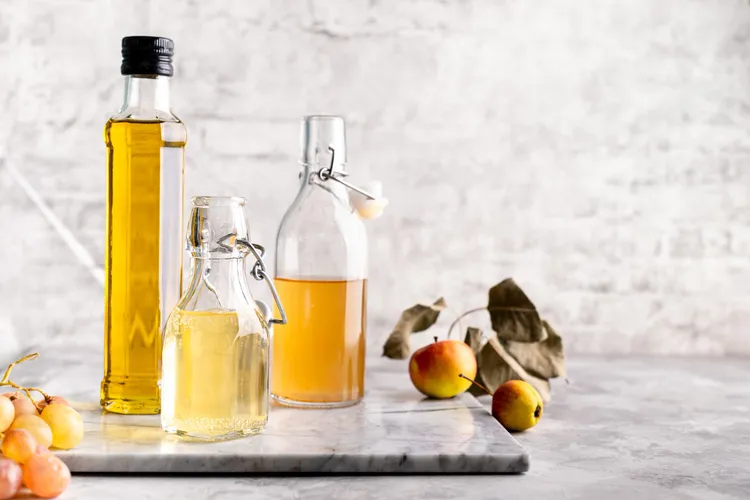
Vinegar is one of the oldest culinary ingredients in human history - archaeological evidence of its production dates back over 10,000 years. Every major food culture on earth has developed its own version: wine vinegar in Europe, rice vinegar in Asia, malt vinegar in Britain, cane vinegar in the Philippines, coconut vinegar in South Asia. The sheer universality of vinegar across food cultures suggests it is doing something more fundamental than simply making salad dressings taste sharp.
It is. And most of what it does goes far beyond the two or three applications most home cooks use it for.
Vinegar is a dilute solution of acetic acid - typically 5-8% by volume - dissolved in water with trace flavour compounds that vary by type. Acetic acid is a weak acid with specific chemical reactivity: it denatures proteins (tenderising meat and setting egg whites), interacts with pigment molecules (preserving green and red vegetable colour), reacts with baking soda to leaven baked goods, dissolves mineral deposits (cleaning and descaling), reduces blood sugar response to carbohydrates, and adds brightness to dishes that taste flat without adding sodium. Each of these applications is chemically distinct and independently useful.
The Chemistry of Acetic Acid
Acetic acid (CH₃COOH) is a small, simple organic molecule - one of the shortest-chain carboxylic acids. Its small size means it moves quickly through food matrices, penetrating surfaces and interacting with molecules rapidly. Its acidity (pH typically 2.4-3.4 depending on dilution) means it readily donates hydrogen ions that drive a wide range of chemical reactions in food.
The trace compounds in different vinegar types - the polyphenols in wine vinegar, the amino acids in rice vinegar, the melanoidins in balsamic - add flavour complexity on top of the base acetic acid chemistry. But the functional cooking properties described in this article come primarily from the acetic acid itself, which means they apply across all vinegar types, not just specific ones.
The Unexpected Uses: What Vinegar Actually Does
1. Tenderising Meat - The Acid Marinade Effect
When meat is marinated in an acid-containing mixture, the acetic acid begins denaturing the surface proteins of the muscle fibres - partially unwinding their tight structure and disrupting some of the cross-links between protein strands. This produces measurable tenderisation at the meat's surface, reducing the force required to cut through the cooked meat and improving the perception of tenderness in the first few millimetres of each bite.
This is the basis of every acid marinade - red wine marinades for beef, citrus-based marinades for chicken, buttermilk marinades for fried chicken (buttermilk's lactic acid does the same work as acetic acid). Vinegar is among the most potent of these because its acetic acid concentration and pH are lower than lemon juice or wine, producing faster surface protein denaturation.
The critical limitation: acid marinades only tenderise the surface. Acid does not penetrate deep into muscle tissue in meaningful quantities during normal marinating times (hours rather than days). The tenderising effect is real but shallow - producing a more tender exterior rather than a uniformly tender cut. For deep tenderness, salt (dry brining) or long cooking are more effective.
Practical application: use vinegar-based marinades for thin cuts, skirt steak, chicken thighs, and any preparation where the surface texture matters most. 2-4 tablespoons of vinegar per marinade batch is typically sufficient; more begins to "cook" the surface proteins in an undesirable way (the same principle as ceviche).
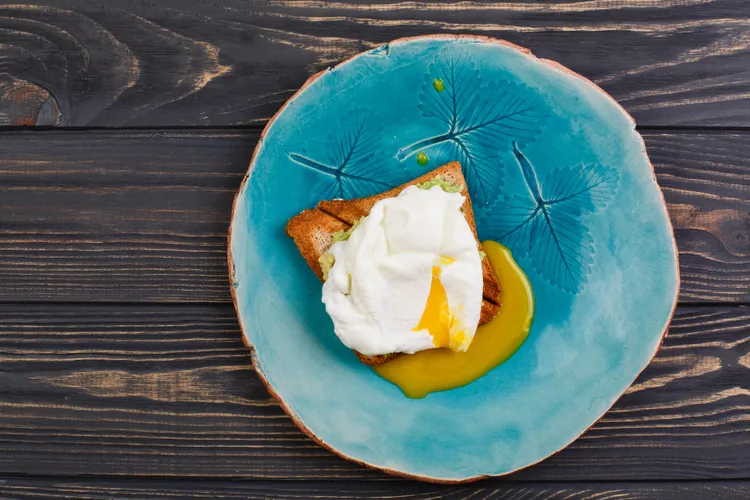
2. Setting Poached Eggs - The White Firmness Effect
Adding a splash of vinegar to the water when poaching eggs is one of the most widely repeated cooking tips - and one of the most misunderstood. The common explanation ("the acid holds the white together") is correct but incomplete. Here's what's actually happening:
Egg white proteins - particularly ovomucin and ovalbumin - begin to denature and coagulate at lower temperatures when the pH of the surrounding liquid is lower (more acidic). In acidic water, the proteins at the surface of the egg white set faster when they contact the hot water, forming a protective outer layer that contains the rest of the white before it can spread across the pan.
Additionally, the proteins in egg white carry negative electrical charges that cause them to repel each other - preventing tight coagulation. Acidic conditions reduce these charges, allowing the proteins to come together and coagulate more easily.
The result: a neater, more compact poached egg with a defined white and less of the wispy, trailing strands that form when the white spreads into untreated water before it can set.
Practical application: 1-2 tablespoons of white wine vinegar or apple cider vinegar per litre of poaching water. The vinegar flavour does not transfer to the egg - it evaporates and dissipates quickly in the hot water. Use the freshest eggs possible (fresh egg whites are thicker and spread less regardless of vinegar), keep the water at a gentle simmer rather than a rolling boil, and slide the egg in from as close to the water as possible.
3. Activating Baking Soda in Baked Goods
Baking soda (sodium bicarbonate) is an alkaline compound that produces carbon dioxide when it reacts with an acid - the reaction that lifts cakes, muffins, and quick breads. While recipes usually pair baking soda with acidic ingredients like buttermilk, yoghurt, or lemon juice, vinegar works equally well and is particularly useful in certain applications:
- Vegan baking: in the absence of eggs, a small amount of vinegar (typically 1 teaspoon per cup of flour) reacting with baking soda provides lift and also produces a slightly open, tender crumb texture that compensates partially for the absence of egg proteins.
- Red velvet cake: the classic recipe traditionally includes a small amount of white vinegar specifically to activate the baking soda and produce the characteristic light, tender crumb. The vinegar's acidity also historically reacted with natural cocoa powder to intensify the red colour of the anthocyanins in the cocoa - though most modern cocoa is too heavily processed for this effect to be visible.
- Wholegrain and dense batters: a small amount of vinegar adds extra acidity that can help baking soda produce more lift in heavy batters that might otherwise rise insufficiently.
4. Preserving Vegetable Colour
As explained in detail in our article on why vegetables turn grey, adding acid to cooking water interacts with plant pigments in precise ways:
- Red and purple vegetables (anthocyanins): adding vinegar to the cooking water for red cabbage, beetroot, and red onion keeps the anthocyanin pigments in their vivid red acidic form rather than allowing them to shift toward the blue-grey neutral or alkaline form. This is why traditional red cabbage recipes include vinegar or apple - without acid, the red cabbage turns an alarming blue-grey.
- White vegetables (flavonoids): a small amount of vinegar in the cooking water for cauliflower, white onion, and parsnips prevents the flavonoid yellowing that occurs in neutral or alkaline water.
- A caution for green vegetables: vinegar in cooking water accelerates the conversion of chlorophyll to grey-green pheophytin and should never be added to water for cooking green vegetables.
5. Reducing Blood Sugar Response - The Acetic Acid Effect
One of the most evidence-supported and least-known applications of vinegar is its measurable reduction of post-meal blood sugar spikes. As covered in our blood sugar article, consuming vinegar with or before a high-carbohydrate meal reduces the glucose spike by approximately 20-30%.
The mechanism: acetic acid inhibits certain amylase enzymes that break down starch into glucose, slowing the rate of glucose absorption from the small intestine. It also appears to increase insulin sensitivity and slow gastric emptying, further moderating the rate of glucose entry into the bloodstream.
Practical application: 1-2 tablespoons of apple cider vinegar or white wine vinegar in a dressing served with or before the main course. The specific vinegar type appears to matter less than the acetic acid concentration - standard 5% acidity vinegar of any type produces comparable effects.
6. Rescuing Over-Salted or Flat Dishes - The Brightness Effect
This is one of the most immediately practical applications: a small amount of vinegar added to a dish that tastes flat, over-salted, or one-dimensional can restore perceived balance without adding more salt or diluting the dish.
The mechanism is primarily perceptual: acid stimulates salivation and activates sourness receptors that compete with and moderate the dominance of saltiness receptors. A dish that tastes "too salty" often tastes balanced after the addition of a small amount of acid - the salt hasn't changed, but the acid provides contrast that makes the saltiness seem less prominent. This is the same principle that makes lemon juice on chips taste better than chips alone, even though both are salty.
More specifically, a dish that tastes "flat" - with no particular flaw but missing something - often needs acid, not more salt. Salt amplifies existing flavours; acid brightens them and adds contrast. Many finishing mistakes in cooking are fixed by the wrong thing (adding more salt when acid is needed) simply because salt is the more familiar intervention.
Practical application: add vinegar at the end of cooking, in very small increments - start with ½ teaspoon, stir, taste, and add more only if needed. The goal is brightness and contrast, not detectable sourness. If you can taste the vinegar, you've added too much. The best result is when the dish tastes more completely of itself - more balanced, more alive - without any discernible vinegar note.
7. Deglazing and Pan Sauce Building
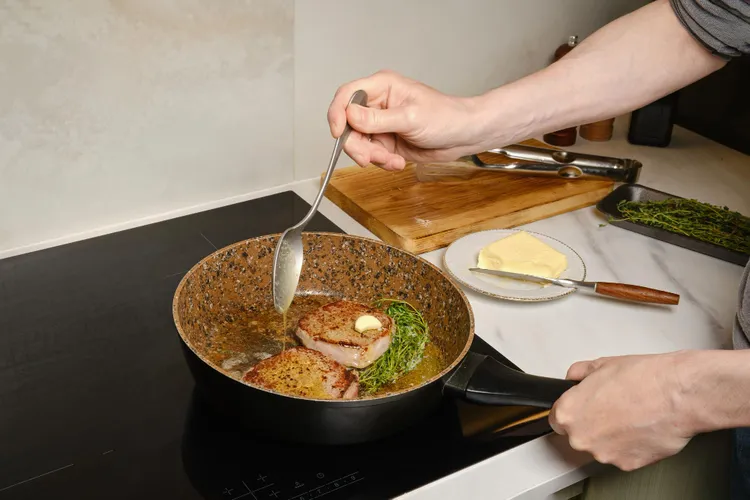
Vinegar is one of the most effective deglazing liquids for building a quick pan sauce from the fond (browned bits) left after searing meat. Wine gets more attention as a deglazing liquid, but vinegar - particularly sherry vinegar, red wine vinegar, or cider vinegar - produces an intensely flavoured reduction with excellent acidity that cuts through the richness of butter or cream in the finished sauce.
The lower sugar content of vinegar compared to wine means it reduces to a more intense, less sweet result. The higher acidity means it picks up and dissolves the Maillard compounds in the fond more efficiently. The result is a deglaze that is more intensely flavoured and more structurally acidic than wine - better at cutting through richness and creating contrast in the finished sauce.
Practical application: use 2-3 tablespoons of sherry or red wine vinegar to deglaze the pan after removing seared chicken or pork, reduce until almost completely evaporated (leaving only the concentrated flavour compounds), then add stock and finish with butter. The vinegar's sourness largely evaporates during reduction; its complex flavour compounds remain.
8. Pickling Beyond Vegetables - The Underused Application
Vinegar pickling is well understood for vegetables, but the same chemistry applies - often with transformative results - to proteins and other ingredients that most home cooks never pickle:
- Pickled eggs: hard-boiled eggs submerged in a spiced vinegar solution for 3-7 days develop a firm, flavourful exterior and a complex, tangy flavour profile. A pub classic with genuine culinary merit.
- Pickled fish (escabeche, gravlax-style): fish briefly marinated in a vinegar solution partially "cooks" the surface proteins through acid denaturation - the principle behind ceviche. Combined with aromatics and olive oil, it produces a preparation with remarkable shelf life and complex flavour.
- Quick-pickled shallots and red onion: 30 minutes in a solution of vinegar, water, sugar, and salt transforms raw shallots from sharp and pungent to bright, crisp, and complex. One of the most useful finishing garnishes in cooking - ready in half an hour, stored in the fridge for a week.
- Pickled chillies: fresh chillies in vinegar retain their heat while gaining complexity and a pleasant tartness. Far more useful as a condiment than raw chillies for most cooked applications.
9. Cleaning and Maintaining Cooking Equipment
The same acetic acid chemistry that works in food works on mineral deposits, grease, and oxidation on cooking equipment - but this article is primarily about cooking applications rather than cleaning, so one specific culinary-adjacent use is worth noting:
Restoring discoloured stainless steel pans: a small amount of white vinegar boiled in a stainless steel pan dissolves the bluish-grey discolouration that forms from protein and mineral deposits during cooking, restoring the pan's shine. This is a cleaning application, but the chemistry is the same acid-mineral interaction that operates in cooking. The pan cooks better when it's properly clean, which makes this a legitimate kitchen quality concern.
Vinegar Types: Which to Use and When
| Vinegar | Acidity | Flavour Profile | Best Culinary Uses |
|---|---|---|---|
| White wine vinegar | 6-7% | Clean, crisp, slightly fruity | Vinaigrettes, deglazing, pickling, poaching eggs |
| Red wine vinegar | 6-7% | Fuller, tannic, complex | Robust salads, meat marinades, pan sauces, deglazing |
| Sherry vinegar | 7-8% | Nutty, complex, aged | Pan sauces, braises, finishing drizzle, deglazing |
| Apple cider vinegar | 5-6% | Mild, fruity, slightly sweet | Marinades, dressings, quick pickles, blood sugar applications |
| Balsamic vinegar | 4-6% | Sweet, syrupy, complex | Finishing drizzle, glazes, reductions, strawberries |
| Rice vinegar | 4-4.5% | Mild, slightly sweet | Asian dressings, sushi rice, quick pickles, dipping sauces |
| Malt vinegar | 4-8% | Strong, slightly bitter | Fish and chips, pickled onions, robust marinades |
| White (distilled) vinegar | 5-8% | Sharp, neutral | Pickling (neutral flavour), cleaning, baking |
What Most People Get Wrong
| Myth | Fact |
|---|---|
| All vinegars are interchangeable in cooking. | Acidity levels and flavour compounds vary significantly. Rice vinegar (4%) produces a much milder acid effect than sherry vinegar (7-8%) in the same quantity. Using balsamic where white wine vinegar is needed adds sweetness that changes the dish entirely. Type matters for both flavour and chemistry. |
| More vinegar means more flavour. | Vinegar's brightness effect works at small quantities - a teaspoon or two is often the correct addition for a dish serving four. Too much produces detectable sourness that dominates rather than brightens. The threshold between "this brightens the dish" and "this tastes of vinegar" is surprisingly low. |
| Vinegar in pickling is only a preservative. | Vinegar does preserve through acidity, but it also fundamentally transforms texture, flavour, and colour through its acid chemistry - as detailed in the pickling section above. Pickled vegetables taste as they do not just because they've been preserved but because acetic acid has chemically altered them. |
| Adding vinegar to green vegetable cooking water preserves their colour. | Vinegar in cooking water for green vegetables accelerates the chlorophyll-to-pheophytin conversion - it makes them grey faster, not slower. This is the opposite of the red vegetable effect. Acid direction matters: use it for reds, avoid it for greens. |
Getting the Most From Vinegar
Season with acid before you season with salt
When a dish tastes flat or one-dimensional, reach for vinegar before reaching for more salt. Many dishes that seem to lack salt are actually lacking acid - the two corrections feel similar (both "brighten" the dish) but produce different results. A quick taste before adding either will tell you whether the dish needs contrast (acid) or amplification (salt). Developing this tasting instinct is one of the most valuable skills in cooking.
Use the cheapest vinegar for the biggest flavour impact
For applications where vinegar is cooked (deglazing, braising, reducing into a sauce), the subtle flavour differences between expensive aged sherry vinegar and basic white wine vinegar are largely destroyed by heat. Save the expensive vinegar for applications where it's uncooked and its flavour is preserved - finishing drizzles, dressings, and raw preparations where the complexity is accessible. Use basic vinegar for cooking applications.
Keep multiple types accessible
White wine vinegar for everyday cooking and poaching eggs; rice vinegar for Asian preparations and quick pickles; sherry or aged balsamic for finishing; apple cider vinegar for marinades and health applications. A four-bottle collection covers virtually every culinary application and costs very little.
The Professional Kitchen's Secret Acid Habit
In a professional kitchen, the finishing adjustment that separates a complete dish from an almost-complete one is almost always acid - not salt, not sweetness, not heat. Before a dish leaves the pass, a chef tastes it and asks whether it needs brightness. More often than not, a few drops of vinegar or a squeeze of citrus is the last step.
The professional perspective on vinegar: it is a flavour tool, not a flavour. Its job is to make other things taste more like themselves - to provide the contrast that makes richness feel less heavy, sweetness feel less cloying, and savouriness feel more vivid. The best use of vinegar is invisible. You don't taste it in the finished dish. You taste a better version of everything else.
One specific technique worth adopting: building a finishing acid habit. Before tasting any finished dish for salt, taste it first to ask "does this need acid?" If the dish tastes complete but somehow flat, acid is almost certainly the answer. If it tastes unbalanced or overpowering, salt may be the answer. Training this distinction - acid versus salt as separate diagnostic questions - is one of the most useful palate skills a home cook can develop, and vinegar is the quickest way to practice it.
Interesting Fact
Vinegar has been used in medicine and food for over 10,000 years - Hippocrates, the father of Western medicine, prescribed vinegar mixed with honey (a preparation called oxymel) for persistent coughs and infections around 400 BCE. During the American Civil War, apple cider vinegar was used to treat wounds and prevent scurvy. Napoleon's armies used vinegar to disinfect wounds in the field. The preservative, antimicrobial, and flavour-balancing properties that make vinegar useful in the kitchen are the same properties that made it indispensable as medicine for most of human history. The bottle of white wine vinegar in your kitchen cupboard has the same chemical properties as the substance that kept armies functioning before the advent of modern antiseptics. It's just more pleasantly deployed on a salad.
Here's What It All Comes Down To
Vinegar is not a single-use ingredient. It tenderises meat surfaces through protein denaturation, sets poached eggs more neatly through accelerated coagulation, leavens baked goods by reacting with baking soda, preserves red and white vegetable colour through pigment chemistry, measurably reduces blood sugar response to carbohydrates, rescues flat or over-salted dishes through acid-salt contrast, builds complex pan sauces through efficient Maillard compound extraction, and transforms proteins and other ingredients through pickling.
Each of these applications uses the same underlying chemistry - acetic acid doing specific work - in different contexts and with different results. And virtually all of them are available to any home cook with a bottle of vinegar that costs less than a pound and lasts for months.
Use it at the end of cooking. Use it in small amounts. Use it as a question rather than an answer - "does this dish need brightness?" - and let the answer guide whether and how much you add.
The result, consistently, is food that tastes more completely of itself. Which is what good cooking is for.
In short
- Vinegar is a 5-8% solution of acetic acid - a small, reactive organic molecule that tenderises proteins, interacts with pigments, activates baking soda, slows glucose absorption, and adds brightness to food through acid-salt contrast.
- Acid marinades containing vinegar tenderise meat surfaces through protein denaturation - an effective but shallow effect, penetrating only the outer few millimetres of muscle tissue.
- A splash of vinegar in poaching water causes egg white proteins to coagulate faster and more compactly, producing neater eggs with fewer wispy trailing strands.
- Adding vinegar to cooking water preserves red and purple vegetable colour (anthocyanins) but accelerates greying in green vegetables - the effect is opposite and type-specific.
- Vinegar consumed with a high-carbohydrate meal reduces the post-meal blood sugar spike by approximately 20-30% - one of the most evidence-supported dietary interventions for blood sugar management.
- A small amount of vinegar added to a flat or over-salted dish provides brightness through acid-salt contrast without adding sodium - often more effective than adding more salt.
- Vinegar deglazes pans efficiently, picking up Maillard compounds from the fond and reducing to an intensely flavoured sauce base with excellent acidity.
- Different vinegars have meaningfully different acidity levels and flavour profiles - save complex aged vinegars for uncooked applications; use basic vinegar where it will be cooked.
- Finishing with acid is a professional kitchen habit: before adjusting salt, always ask whether the dish needs brightness - the distinction between "needs salt" and "needs acid" is one of the most valuable palate skills in cooking.
Latest