You've Heard Oil Stops Pasta Sticking. It Doesn't.
Adding oil to pasta water is one of the most repeated pieces of kitchen advice in the world - and one of the most counterproductive. It doesn't prevent sticking where it counts, and it actively makes your sauce slide off. Here's what's actually going on, and what to do instead.
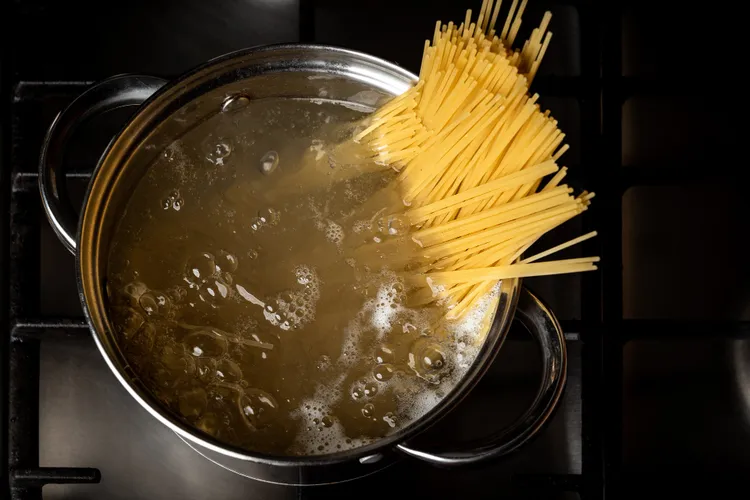
Ask almost anyone how to stop pasta from sticking together, and they'll tell you to add oil to the water. It's the kind of advice passed down through families, repeated on packaging, and stated with total confidence. There's just one problem: the chemistry makes it impossible for oil to do what people think it's doing.
Oil and water don't mix. That's not a figure of speech - it's basic chemistry. So when you pour olive oil into your boiling pasta water, it doesn't disperse through the water coating each strand. It floats on top, untouched, doing almost nothing while your pasta cooks below it.
Oil added to pasta cooking water does not prevent pasta from sticking together. Because oil and water are immiscible, the oil floats on the surface and never coats the pasta during cooking. Worse, oil residue on cooked pasta repels sauce. The real solutions are proper water volume, stirring at the right time, and correct timing after draining.
Why This Happens:
Pasta sticks for one primary reason: starch. When pasta is dropped into hot water, the surface starches begin to gelatinize - they swell, soften, and become sticky. In those first two to three minutes of cooking, pasta strands are at peak stickiness. If they're touching each other during this window, they bond.
Later, as cooking continues, those surface starches set and become less clingy. But any bonds formed in that early window can hold. The solution to sticking, then, is to prevent contact between strands during that critical window - and oil floating on the surface of the water contributes nothing to this.
What Oil Actually Does in the Pot
Oil is hydrophobic - it repels water. When you pour it into boiling water, it immediately separates and rises to the surface. The pasta cooks entirely submerged in the water below. The oil layer is never in meaningful contact with the pasta during the cooking process.
When you drain the pasta, however, that pooled oil does come into contact with the pasta - coating the outside of each strand with a thin, slippery film. This is where the real problem begins.
Why Oiled Pasta Repels Sauce
Pasta sauce clings to pasta because of surface texture and starch. Freshly drained pasta is slightly tacky, and a good sauce - especially one finished in the pan with pasta water - grips those microscopic ridges and starches on the surface. When pasta is coated in oil, that tackiness disappears. The sauce slides right off instead of bonding to the pasta, and you end up with a pool of sauce at the bottom of your bowl.
"The oil doesn't coat pasta in the water. It coats pasta when you drain it - and that's exactly the problem."
What Most People Get Wrong
| Myth | Fact |
|---|---|
| Oil in the water coats each pasta strand and prevents sticking. | Oil floats on water and never touches pasta during cooking. It only coats pasta after draining, where it actively causes problems. |
| Rinsing pasta with cold water after draining is a good fix for sticking. | Rinsing washes off surface starch - the very thing that helps sauce grip. Only rinse pasta when making cold pasta salads, never for hot dishes. |
| A small pot with less water is fine as long as you stir occasionally. | Crowded pasta in too little water sticks far more aggressively. Abundant water dilutes surface starch and gives strands room to move freely. |
| Salt prevents sticking. | Salt seasons the pasta from the inside out and raises boiling point slightly, but plays no role in preventing sticking. It's essential - just not for that reason. |
What Actually Prevents Pasta from Sticking
1. Use a large pot with a lot of water
The single most effective thing you can do is use more water than you think you need. A generous amount of water dilutes the starch released during cooking, meaning the water itself becomes less sticky and pasta strands have room to move without constantly touching each other. A good rule: at least 4-5 litres of water per 500g of pasta.
2. Stir immediately and often in the first two minutes
Those first two to three minutes are when pasta is stickiest. Stir within 30 seconds of adding pasta to the pot, then continue stirring every minute until the exterior starch has set. After that, occasional stirring is enough. This one habit eliminates most sticking problems entirely.
3. Don't drain and walk away
Pasta that sits in a colander after draining begins to stick rapidly as it cools and surface starch firms up. Either finish pasta directly in the sauce pan, or dress it immediately after draining. Never let it sit.
4. Finish pasta in the sauce
This is what Italian cooking has always done. Reserve a cup of pasta cooking water before draining. Add the slightly underdone pasta directly into the simmering sauce with a splash of pasta water. The starchy water emulsifies with the fat in the sauce, creating a glossy, clingy coating that sticks to every strand. No clumping, no sliding sauce - just properly dressed pasta.
Quick Fix - Pasta Already Stuck Together? If pasta has clumped in the colander, don't panic. Add a ladle of hot pasta water (or just hot water) and gently toss with tongs. The heat and moisture will loosen the bonds. Then get it into your sauce immediately.
5. If you must hold pasta, toss it - don't oil it
In situations where pasta needs to sit for a while before serving (a buffet, meal prep), toss it with a small amount of the finished sauce rather than oil. The sauce protects the pasta without destroying its ability to absorb more sauce later. If no sauce is available, a tiny amount of olive oil is the last resort - but understand what you're trading away.
How Restaurants Handle Pasta at Scale
Here's something that surprises most home cooks: in a busy restaurant kitchen, pasta is often cooked in large batches, held in cold water, and finished to order. The pasta is partially cooked, refreshed in cold water to stop cooking and prevent sticking, then finished in individual portions directly in a hot pan with sauce and a little cooking water.
This system works precisely because the pasta isn't oiled. Oil would make the finishing step - where sauce must bond to pasta in a hot pan - far less effective. The cold water stops the cooking cleanly, and the stovetop finish brings everything together at the last moment.
The takeaway: professionals use temperature control and timing to manage sticking, not oil. Home cooks can apply the same logic by simply moving pasta from pot to sauce without delay.
Oil in pasta water is a myth with good intentions but bad chemistry. It can't coat pasta while it's submerged, it creates a barrier that repels sauce after draining, and it solves none of the actual problems that cause pasta to stick.
The real answers are simple and free: use more water, stir early and often, and move pasta into sauce immediately after draining. Do those three things and you'll never reach for the oil bottle again - at least not for the water.
The best pasta dishes in the world are made without a drop of oil in the pot. That's not an accident.
In short
- Oil and water don't mix - oil floats on the surface and never coats pasta during cooking.
- Oil coats pasta during draining, leaving a slippery film that prevents sauce from gripping.
- Pasta sticks because surface starches gelatinize in the first 2–3 minutes of cooking - stirring during this window is the real fix.
- Use at least 4-5 litres of water per 500g of pasta to dilute starch and give strands room to move.
- Never rinse hot pasta - it washes away the surface starch that sauce needs to cling to.
- Finish pasta directly in the sauce with a splash of starchy cooking water for the best texture and flavor.
- Reserve pasta cooking water before draining - it's one of the most useful tools in pasta cooking.
- Restaurants manage sticking with temperature control and timing, not oil - the same principle works at home.
Latest