How to Build a Fermentation Weekly Routine
The practical guide to maintaining multiple fermentation projects without it becoming a second job
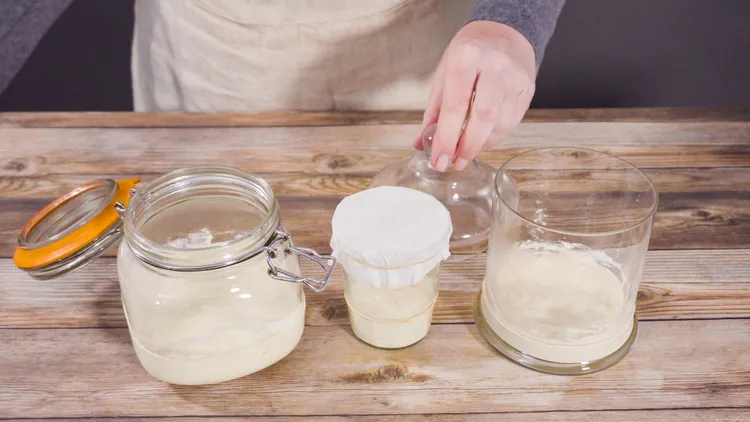
The hardest part of fermentation is not the first batch. The first batch is exciting - a new project, a learning experience, the satisfying transformation of simple ingredients into something alive.
The hard part is the second month, when the excitement has settled and fermentation needs to become a habit rather than a project. When the sourdough starter needs feeding even on the days you don't feel like baking. When the kefir grains need fresh milk every 24 hours whether or not you have time to think about it. When the kimchi jar in the fridge is half-empty and the next batch needs to be started.
Fermentation, properly maintained, is not a demanding practice. Active time across a full week of maintaining kefir, sourdough starter, a vegetable ferment, and yogurt is approximately 30-45 minutes - spread across the week in 5-10 minute intervals. But those intervals need to happen on schedule, and building the rhythm that makes them automatic is the transition from "I'm trying fermentation" to "fermentation is part of how I eat."
This guide builds that rhythm. It provides a practical weekly framework for managing multiple fermentation projects simultaneously, a seasonal fermentation calendar, 15 quick meals built around fermented ingredients, and the minimum viable fermentation practice for people who want the benefits without the complexity.
The Core Principle: Integrate, Don't Add
The mistake most people make when starting fermentation is treating it as an addition to their existing routine - a set of extra tasks layered on top of everything else. This approach produces friction and eventually, abandonment.
The sustainable approach is integration. Fermentation tasks are attached to existing habits rather than scheduled as independent activities:
- Feed the sourdough starter while the coffee is brewing
- Start a new kefir batch while cooking dinner
- Check the sauerkraut when getting something from the fridge
- Make yogurt on Sunday afternoon while doing other kitchen prep
When each fermentation task is attached to a moment that already happens, it requires almost no additional mental energy. It becomes as automatic as any other kitchen habit.
The Four Levels of Fermentation Practice
Before the weekly schedule: an honest mapping of what each level of practice requires and produces.
Level 1: The Minimal Practice (10 minutes per week)
What you maintain: Yogurt only (or kefir)
The routine: Make one batch of yogurt per week (Sunday or Monday). Reserve the starter. Eat throughout the week. Start the next batch before the previous one is finished.
What you get: A reliable supply of the most probiotic-rich, freshest yogurt available. The gateway to everything else. The practice that costs nothing in time and repays immediately in quality and savings.
Active time: 15 minutes once per week.
Level 2: The Weekend Fermenter (30 minutes per week)
What you maintain: Yogurt + one vegetable ferment (sauerkraut or kimchi, rotating)
The routine:
- Sunday: Make yogurt. Check and press down any active vegetable ferment.
- Wednesday: Check the vegetable ferment. Taste. Press down if needed.
- Ongoing: When one jar of sauerkraut or kimchi is finished, start the next.
What you get: A continuous supply of fresh yogurt and a rotation of fermented vegetables at different stages of development. The fermented vegetables appear on the table 3-4 times per week as condiments.
Active time: 30 minutes on Sunday + 5 minutes midweek.
Level 3: The Regular Fermenter (45-60 minutes per week)
What you maintain: Yogurt + vegetable ferment + milk kefir (or water kefir)
The routine:
- Daily (2 minutes): Transfer kefir grains to fresh milk (or fresh sugar water). Bottle the previous batch. This 2-minute task is the entire daily commitment.
- Sunday (30 minutes): Make yogurt. Start or check any vegetable ferment. Prepare kefir flavourings for second ferment if desired.
What you get: Daily kefir, weekly yogurt, and a rotation of vegetable ferments. The most complete daily fermented food practice in this collection - yogurt, kefir, and fermented vegetables provide a genuinely diverse daily probiotic intake.
Active time: 2 minutes/day + 30 minutes/week.
Level 4: The Committed Fermenter (60-90 minutes per week)
What you maintain: All of Level 3 + active sourdough starter + one specialist project (miso, amazake, or kvass)
The routine adds:
- Daily (3 minutes): Feed the sourdough starter (or every other day if refrigerating between feeds)
- Monthly (30 minutes): Check and tend the miso crock
- Quarterly (45 minutes): Start a new long-term ferment (miso batch, kvass batch)
What you get: The full fermented food pantry. Sourdough bread when desired, fresh yogurt and kefir continuously, vegetable ferments always available, and a long-term miso developing in the cupboard. The kitchen that is always producing something.
Active time: 5 minutes/day + 45 minutes/week + occasional longer sessions for new batches.
The Practical Weekly Schedule (Level 3)
This is the weekly rhythm for maintaining yogurt, milk kefir, and a vegetable ferment simultaneously. It assumes no specialist equipment beyond a thermometer and glass jars.
Monday
Morning (2 min): Transfer kefir grains to fresh milk. Bottle yesterday's kefir. Evening: Nothing required.
Tuesday
Morning (2 min): Transfer kefir grains. Bottle yesterday's kefir. Evening (optional): Check vegetable ferment - press down if needed.
Wednesday
Morning (2 min): Transfer kefir grains. Bottle yesterday's kefir. Evening: Nothing required.
Thursday
Morning (2 min): Transfer kefir grains. Bottle yesterday's kefir. Evening (5 min): Taste the vegetable ferment. Decide if it needs to move to the fridge.
Friday
Morning (2 min): Transfer kefir grains. Bottle yesterday's kefir. Evening: Nothing required.
Saturday
Morning (2 min): Transfer kefir grains. Bottle yesterday's kefir. Afternoon (30 min): Make yogurt. Start a new vegetable ferment if needed.
Sunday
Morning (2 min): Transfer kefir grains. Bottle yesterday's kefir. Afternoon: Reserve yogurt starter before eating. Clean yogurt jar.
Total active time: approximately 24 minutes of daily 2-minute tasks + 30 minutes on Saturday = under 1 hour per week.
The Fermentation Pantry: What to Keep Stocked
A well-maintained fermentation practice produces its own pantry - a set of fermented ingredients always available to transform weeknight cooking:
Always in the fridge:
- A jar of sauerkraut or kimchi at some stage of fermentation
- Fresh yogurt (less than 1 week old)
- Active kefir (bottled, chilling)
- Labneh (made from strained yogurt when accumulation occurs)
Always in the cupboard:
- Non-iodised sea salt
- Gochugaru (for kimchi)
- Rice koji (for occasional miso or amazake batches)
- Swing-top bottles for kefir second fermentation
The long-term projects:
- A miso crock (if committed to Level 4 practice)
- A sourdough starter in the fridge (fed weekly, active within 12 hours of a feeding)
15 Quick Meals Built Around Fermented Ingredients
The fermented foods in your fridge are most valuable when they're used daily - not saved for special occasions. Here are 15 meals that incorporate fermented ingredients as core components:
Breakfast:
- Yogurt bowl with honey, fruit, and toasted seeds - the 3-minute breakfast
- Kefir smoothie (frozen mango, banana, kefir, a pinch of ginger) - 5 minutes
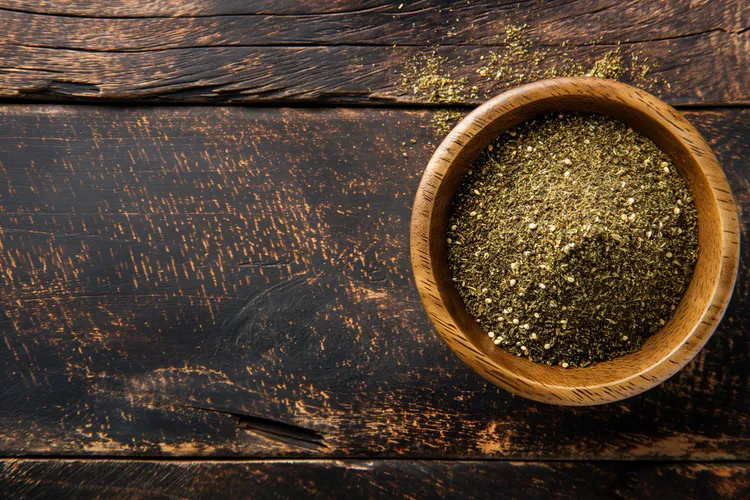
- Sourdough toast with labneh, olive oil, and za'atar - 5 minutes
- Scrambled eggs with kimchi and sesame oil - 8 minutes
Lunch: 5. Rice bowl with kimchi, a fried egg, and sesame oil - 10 minutes 6. Grilled cheese sandwich with sauerkraut - 8 minutes 7. Yogurt-dressed cucumber and herb salad - 5 minutes 8. Labneh on flatbread with sliced tomatoes, olives, and mint - 5 minutes
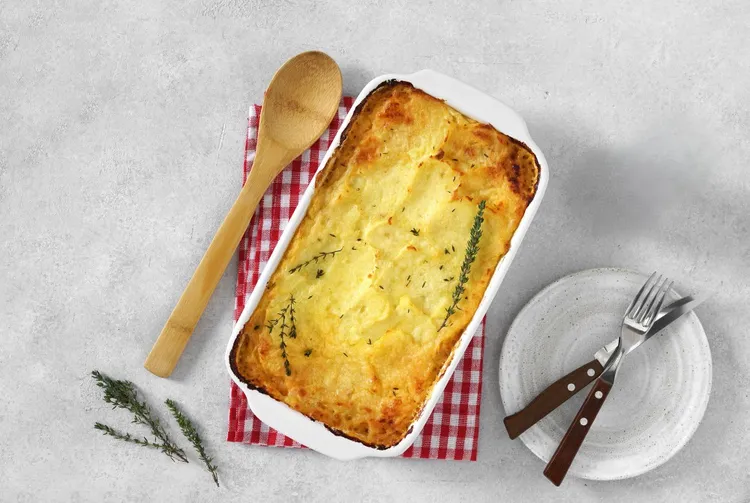
Dinner: 9. Matcha Miso Soup with tofu and greens - 12 minutes (using shop-bought or homemade miso) 10. Pasta with a miso butter sauce (2 tbsp miso + 50g butter, tossed through pasta) - 15 minutes 11. Grilled chicken with yogurt marinade (marinated overnight, grilled for 15 minutes) - 15 minutes active 12. Kimchi fried rice - 15 minutes 13. Sauerkraut and potato gratin - 40 minutes (mostly passive)
Snacks: 14. Kefir with a handful of granola - 1 minute 15. Roasted chickpeas with chaat masala and a side of labneh - Chaat Masala recipe - 30 minutes (mostly passive)
The Seasonal Fermentation Calendar
Fermentation is influenced by season more than most kitchen practices. Temperature, vegetable availability, and traditional calendars all shape what to make when:
Spring (March-May):
- Start a new sourdough starter (warming kitchen temperatures accelerate establishment)
- First harvest ferments: young garlic, wild garlic, spring onion kimchi
- Lighter ferments: labneh, water kefir with spring fruit flavours (rhubarb, elderflower)
- Begin a new miso batch (the warming season ahead will carry it through summer)
Summer (June-August):
- Rapid vegetable ferments: green beans, cucumbers, cherry tomatoes
- Fermented hot sauce (peak chili season)
- Water kefir with summer fruit (berry, mango, watermelon - see Watermelon Matcha Cooler for the fruit pairings)
- Cool fermentation: longer, cooler ferments produce more complex flavours - use a cool cellar or basement for sauerkraut and kimchi if the kitchen is very warm
Autumn (September-November):
- Kimjang season: make large kimchi batches as cabbage peaks
- Sauerkraut batches using autumn's best cabbage
- Apple and pear ferments: fruit kvass, apple-ginger water kefir
- Begin long fermentation projects that will mature through winter: miso, aged sauerkraut
Winter (December–February):
- Warm fermented drinks: amazake, warm kefir
- Slower fermentation - less monitoring required; vegetable ferments may need an extra week
- Use the long-fermented kimchi from autumn's batches in cooked dishes
- Bake with sourdough - cold kitchen produces more complex, more sour bread
- Taste the miso: if started in spring, the winter tasting may reveal it is ready
Managing Multiple Ferments Without Confusion
The home fermenter who maintains several projects simultaneously - sauerkraut, kefir, sourdough starter, and miso - needs a system for tracking without overthinking.
The labelling habit: Every fermentation jar has a label: contents, salt percentage (if applicable), start date, and expected completion date. A piece of masking tape and a marker, applied immediately. This costs 10 seconds and eliminates the confusion that leads to eating under-fermented sauerkraut or discarding perfectly good kimchi.
The shelf system: Designate specific shelf positions for different fermentation stages:
- Top shelf: Active ferments (room temperature, being monitored)
- Second shelf: Refrigerated active ferments (kefir waiting to be drunk, vegetable ferments maturing slowly)
- Back of fridge: Long-term refrigerated items (starter reserve, old kimchi for cooking, aged sauerkraut)
The weekly 5-minute review: Once per week - Sunday works well - a brief visual check of all active ferments: correct labels, correct shelf positions, anything that needs attention. This takes 5 minutes and prevents the "forgotten jar at the back of the fridge" problem that produces more discards than any other single failure.
The Minimum Viable Fermentation Practice
For the reader who wants the health benefits of fermented foods without the ongoing commitment of maintaining multiple projects, here is the minimum effective practice:
Make a large batch of kimchi or sauerkraut once per month (30 minutes active, once per month). A 1.5kg batch of sauerkraut keeps for 3-6 months in the refrigerator. Two tablespoons per day provides a meaningful daily dose of live cultures, fiber, and complex flavour.
Buy the best live yogurt available for the months when making your own doesn't happen. Look for "live cultures" on the label, full-fat, and sold from a refrigerated display (not shelf-stable). Eat daily.
Keep a jar of good-quality miso in the fridge (it lasts indefinitely). Add a teaspoon to soups, sauces, or marinades 3-4 times per week without any special preparation.
These three practices - monthly ferment batch, daily live yogurt, regular miso use - provide a genuine and consistent fermented food intake that supports gut health measurably. They require, in total, approximately 30 minutes per month of active effort.
FAQ
Q: How do I handle a week when I'm travelling and can't maintain my ferments?
Kefir grains: Put in the fridge in fresh milk. They can rest for 1-2 weeks. Sourdough starter: Feed once, seal tightly, refrigerate. It can rest for 2 weeks without feeding and revive with 1-2 feedings on your return. Vegetable ferments: Move to the fridge before you leave - cold slows fermentation to nearly nothing. A well-salted sauerkraut in the fridge will be fine for 2 weeks. Miso: The most resilient - a month-long crock doesn't need attention for a week.
Q: I keep forgetting to feed my sourdough starter. How do I build the habit?
Attach it to an existing morning habit. The moment you make coffee or tea, feed the starter. The physical proximity (keep the starter jar next to the kettle or coffee machine) creates the trigger. Within 2-3 weeks, it becomes as automatic as making the coffee itself.
Q: Is there a fermentation practice that genuinely requires almost no time?
Yes: miso. Once packed into the crock (2 hours of active work), miso requires one brief monthly inspection and nothing else for 3-12 months. The actual ongoing maintenance is perhaps 5 minutes per month. It produces one of the most complex fermented foods in the world for essentially no ongoing effort once established.
Q: What if my ferments fail during a busy period?
Start again. Every ferment in this collection is made from cheap, widely available ingredients. A failed batch of sauerkraut costs approximately £0.50 worth of cabbage and salt. The knowledge gained from a failed batch is worth considerably more than the ingredients. Fermentation rewards persistence, not perfection.
🔗 The Complete Collection
- Sauerkraut: The Easiest Ferment You'll Ever Make
- How to Make Kimchi: The Complete Beginner's Guide
- Yogurt from Scratch: Better Than Any Shop-Bought Version
- Milk Kefir: Thicker Than Yogurt, Better for Your Gut
- Water Kefir: The Fizzy Probiotic Drink You Can Make in 48 Hours
- Labneh: The Strained Yogurt That Becomes Cheese
- Sourdough Starter from Scratch: The 7-Day Guide
- Miso from Scratch: The Japanese Ferment Worth the Wait
- Fermented Hot Sauce: Building Heat and Complexity
- Amazake: Japan's Naturally Sweet Fermented Rice Drink
- Kvass: The Ancient Fermented Bread Drink of Eastern Europe
- The Gut Health Connection: What Fermented Foods Actually Do
- Fermentation & Gut Health at Home: The Ultimate Guide
Latest