The One-Pan Dinner Formula: How to Make Any Protein + Any Vegetable Work Together
Stop following recipes. Start understanding the system - then make a great dinner from whatever is in your fridge.
Every great one-pan dinner is built on the same formula. The protein changes. The vegetables change. The seasoning changes. But the underlying logic - the relationship between heat and time, between fat and flavour, between the sequence of additions and the moment everything is simultaneously, perfectly ready - that stays the same.
This post teaches the formula. Not a recipe. The formula. Once you understand it, you can open the fridge on any evening, find whatever protein and vegetables are there, and construct a complete, excellent dinner in one pan - without consulting a recipe, without following instructions, without wondering whether it will work.
It will work. Because you understand why it works.
The Formula in Three Lines
Choose a protein. Season it well. Cook it with enough fat at the right heat until it is done.
Choose vegetables. Cut them to appropriate sizes. Add them to the pan in the right order so they finish at the same time as the protein.
Build a sauce or finish. Use the pan juices, add an acid, add fresh herbs, finish with butter or olive oil. Done.
That is the entire formula. Everything below is the detail that makes each element of it work reliably.
Part 1: The Protein
Choosing the Right Cut
Not all proteins behave the same way in a one-pan dinner. The key variable is fat content - specifically, the fat that protects the protein during the cooking process and bastes it as it renders.
The best one-pan proteins:
Chicken thighs (bone-in, skin-on) - the most forgiving protein in this collection. The skin provides its own fat layer. The dark meat stays juicy even when slightly overcooked. The bones add flavour to any pan juices. This is the protein to choose when you want reliability above all else.
Salmon fillets - fast-cooking (12-15 minutes at 200°C for a 3cm fillet), naturally fatty, and forgiving of slight overcooking in a way that white fish is not. The fat in salmon carries seasoning beautifully.
Sausages - the most forgiving one-pan protein of all. They come pre-seasoned. They release their own fat as they cook. They are almost impossible to ruin. The ideal one-pan protein for exhausted weeknights.
Pork tenderloin - the fastest-cooking large cut. A 400g tenderloin cooked at 200°C takes 20-25 minutes. Lean, so it needs good fat in the pan and should not be overcooked (pull it at 63°C internal temperature).
Lamb chops / cutlets - fast-cooking (4-6 minutes per side in a hot skillet), highly flavoured from their own fat. Pairs with Mediterranean vegetables and herbs.
Eggs - the fastest protein in the collection. Used in shakshuka, frittatas, and any one-pan dinner that needs to be on the table in 15 minutes.
Chickpeas (canned) - the most practical plant-based protein. Roasted until crispy on a sheet pan, they require no marinating, no resting, and no temperature management. Drain, dry thoroughly, toss with oil and seasoning, roast at 200°C for 25-30 minutes.
Firm tofu - press for 30 minutes to remove excess moisture, cube or slice, pan-fry or roast. The pressing step is essential for browning.
The Protein Timing Chart
This is the most practically useful table in this collection. Every timing is for food starting at room temperature (remove proteins from the fridge 20-30 minutes before cooking).
Oven roasting at 200°C (fan):
| Protein | Weight / Thickness | Time | Internal Temp |
|---|---|---|---|
| Chicken thighs (bone-in) | 180-200g each | 35-40 min | 74°C |
| Chicken breast (whole) | 200g | 22-25 min | 74°C |
| Salmon fillet | 3cm thick | 12-15 min | 55-60°C (slightly translucent at centre) |
| Pork tenderloin | 400g | 20-25 min | 63°C |
| Sausages (pork, 80g each) | - | 25-30 min | 75°C |
| Lamb chops | 2cm thick | 12-15 min | 60°C (medium) |
| Chickpeas (canned, dried) | - | 25-30 min | Crispy exterior |
| Firm tofu (cubed) | 2cm cubes | 25-30 min | Golden exterior |
Hob cooking (skillet, medium-high heat):
| Protein | Thickness | Time per side | Rest |
|---|---|---|---|
| Chicken thighs (boneless) | 2cm | 5-6 min | 3 min |
| Chicken breast (bashed flat) | 1.5cm | 4-5 min | 3 min |
| Salmon fillet | 3cm | 4-5 min | 2 min |
| Pork chop | 2.5cm | 4-5 min | 3 min |
| Lamb cutlet | 1.5cm | 3-4 min | 2 min |
| Steak (medium-rare) | 2.5cm | 3-4 min | 5 min |
Seasoning the Protein
Season protein after coating with oil, not before. Salt applied to the surface of dry protein draws moisture to the surface - which is useful in a long dry-brine situation (30+ minutes) but counterproductive when protein goes straight into the pan (surface moisture inhibits browning).
The standard seasoning:
- Fine sea salt: ½-¾ tsp per 400g of protein
- Black pepper: ¼ tsp per 400g
- Olive oil: 1-2 tbsp per 400g, rubbed over every surface
The spice rub formula: Combine equal parts of 2-3 compatible spices with the salt and pepper. Rub into the protein after oiling. Examples:
- Smoked paprika + cumin + garlic powder (Spanish/Mexican direction)
- Za'atar + lemon zest + garlic (Middle Eastern direction)
- Dried oregano + lemon + black pepper (Greek direction)
- Chili flakes + fennel seeds + lemon (Italian direction)
Part 2: The Vegetables
The Vegetable Timing Chart
The key to vegetables in a one-pan dinner is understanding that different vegetables have completely different cooking times - and that adding them all at the same time is the root cause of most one-pan failures.
Roasting at 200°C (fan), cut to 3-4cm pieces:
| Vegetable | Time | Notes |
|---|---|---|
| Beetroot | 50-60 min | Cut small (2cm), roasts slowly |
| Whole garlic cloves (unpeeled) | 40-45 min | Becomes sweet, spreadable |
| Potatoes (floury) | 40-50 min | Parboil 8 min first for extra crispiness |
| Sweet potato | 35-45 min | Goes in with potatoes |
| Parsnips | 35-40 min | Cut into batons for even cooking |
| Butternut squash | 30-40 min | 3cm cubes, benefits from high heat |
| Carrots | 30-35 min | Goes in 10 min after squash |
| Fennel (wedges) | 30-35 min | Benefits from space; chars beautifully |
| Red onion (wedges) | 25-30 min | Caramelises at the edges |
| Broccoli florets | 20-25 min | High heat produces char; don't crowd |
| Courgette (thick rounds) | 20-25 min | Needs space or it steams |
| Aubergine (cubes) | 25-30 min | Absorbs oil; be generous with fat |
| Asparagus (spears) | 12-15 min | Add late; overcooks fast |
| Cherry tomatoes (whole) | 15-20 min | Add late; release liquid quickly |
| Green beans | 12-15 min | High heat, don't crowd |
| Tenderstem broccoli | 10-12 min | Char is the goal |
| Baby spinach | 3-5 min | Wilts almost immediately |
The sequencing rule: If your protein takes 35 minutes and your vegetables are a mix of potatoes (45 min) and cherry tomatoes (15 min), the sequence is:
- 0 min: potatoes go in
- 10 min: protein goes in
- 20 min: cherry tomatoes go in
- 35 min: everything is done simultaneously
Map the timeline before you start. This takes 2 minutes and solves the most common one-pan failure.
Cutting Vegetables for Even Cooking
Uniform cut size = uniform cooking time. This sounds obvious and is regularly ignored.
The rule: All vegetables of the same type should be cut to the same size. Mixed vegetables should be cut to sizes that compensate for their different cooking rates - denser, slower-cooking vegetables (carrots, parsnips) slightly smaller; faster-cooking vegetables (courgette, tomatoes) slightly larger. The goal is everything reaching the correct texture at the same moment.
The space rule (repeated because it matters): Every piece of vegetable should have visible space around it on the pan. Use two pans if necessary. A full, crowded sheet pan produces mediocre results; two half-full pans produce excellent results.
Part 3: The Sauce or Finish
This is the element most one-pan recipes skip - and the element that elevates a good one-pan dinner to a great one. The pan, after the protein and vegetables are cooked, contains caramelised cooking juices, rendered fat, and the fond (the brown bits stuck to the bottom) - concentrated flavour waiting to be transformed into a sauce.
The Three-Step Pan Sauce
Step 1: Deglaze. Remove the protein (to rest) and tip most of the fat from the pan, leaving approximately 1 tbsp. Return the pan to medium heat on the hob. Add a liquid - wine (100ml), stock (150ml), lemon juice (2 tbsp), or a combination. The liquid immediately sizzles against the hot pan, releasing the fond from the bottom. Scrape with a wooden spoon. The liquid turns from clear to brown and fragrant within 30 seconds.
Step 2: Reduce. Let the liquid reduce by half over medium heat - approximately 2-3 minutes. The sauce concentrates and thickens slightly.
Step 3: Finish. Remove from heat. Add 1 tbsp of cold butter (it emulsifies into the sauce, adding richness and gloss) or 1 tbsp of good olive oil. Add fresh herbs (parsley, thyme, tarragon, basil - whatever matches the dish). A squeeze of lemon. Taste and season. The sauce is ready.
Total time: 4-5 minutes. The protein has been resting for exactly that long. Everything is ready simultaneously.
The No-Sauce Finish (For Sheet Pan Dishes)
Sheet pan dinners don't produce sufficient fond for a proper pan sauce - the food is roasting in the oven rather than searing on the hob. The finishing approach is different:
A drizzle of good olive oil over the finished dish. Olive oil over hot, just-roasted food adds freshness that is absent from the cooking fat.
A squeeze of fresh lemon or lime - the acid brightens every flavour on the pan.
Fresh herbs - scattered over the finished dish. Parsley, coriander, mint, or basil, never added during cooking (heat destroys their freshness).
A compound butter - a tablespoon of herb butter placed on the protein as it comes out of the oven, melting into the food as it rests.
A sauce on the side - tahini, yogurt dressing, salsa verde, or harissa. See The Street Food Sauce Bible for sauces that work here.
The Full Formula Applied: Three Examples
Example 1: Chicken thighs, potatoes, and cherry tomatoes
Timing map: Potatoes (45 min) → Chicken thighs (35 min, add at 10 min) → Cherry tomatoes (15 min, add at 30 min)
Seasoning: Chicken rubbed with smoked paprika, garlic powder, olive oil, salt. Potatoes tossed with olive oil, salt, and dried thyme. Cherry tomatoes tossed with olive oil and salt only.
Finish: While chicken rests, deglaze the pan with 100ml white wine. Reduce by half. Finish with 1 tbsp butter and fresh parsley. Spoon over the plated chicken.
Total time: 45 minutes.
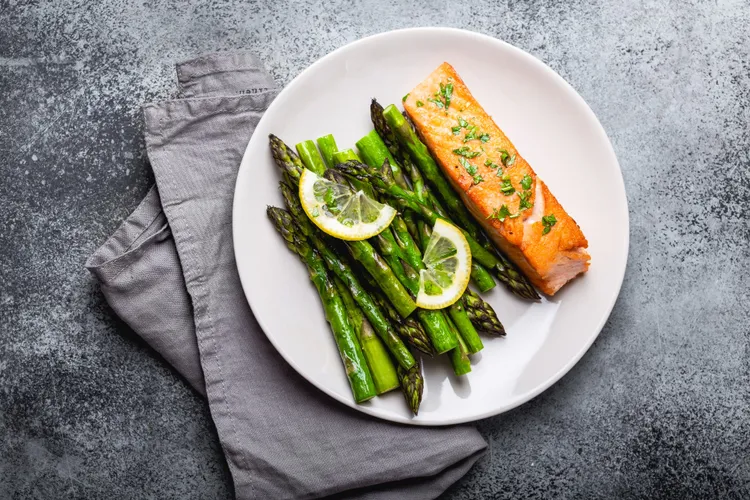
Example 2: Salmon, asparagus, and lemon
Timing map: Salmon needs 12-15 minutes; asparagus needs 12-15 minutes. They go in together at 200°C.
Seasoning: Salmon skin-side down, brushed with a mixture of honey, dijon mustard, and olive oil. Asparagus tossed with olive oil, salt, and lemon zest.
Finish: No pan sauce needed - the honey-mustard glaze caramelises during roasting. Squeeze fresh lemon over both as they come out of the oven. A drizzle of olive oil.
Total time: 25 minutes.
Example 3: Chickpeas, butternut squash, and red onion (vegan)
Timing map: Squash (40 min) → Red onion (at 10 min) → Chickpeas (at 10 min) → Spinach (last 3 minutes)
Seasoning: Squash and onion: olive oil, salt, cumin, smoked paprika. Chickpeas: olive oil, salt, smoked paprika, garlic powder. Spinach: wilted with the residual pan heat.
Finish: No pan sauce. Drizzle with tahini dressing (tahini + lemon + water + garlic) immediately before serving. Top with pomegranate seeds and fresh parsley.
Total time: 40 minutes.
The Quick Reference Card
Print this out. Put it on the fridge. Use it every time.
Before you start:
- Is the protein at room temperature? (Remove from fridge 20-30 min ahead)
- Are the vegetables cut to uniform, appropriate sizes?
- Do I have the timing mapped so everything finishes together?
- Is the pan large enough for everything to have space?
- Have I preheated the oven / pan fully?
The fat rule: Every surface of every ingredient should be lightly but completely coated in oil before it goes in.
The seasoning rule: Season after oiling. Salt, pepper, and spices go on last.
The space rule: If it looks crowded, use two pans.
The resting rule: Rest all protein for 3-7 minutes before cutting.
The finish: Always add an acid (lemon, vinegar, wine) and fresh herbs before serving.
Pro Tips
- Preheat the pan or sheet pan in the oven. A preheated surface produces immediate sizzle and char when food hits it. A cold pan produces steaming, not browning. Preheat for 5-10 minutes before adding food.
- Pat proteins dry before oiling. Surface moisture is the enemy of browning. Pat dry with paper towels, then oil and season.
- Never underestimate the power of salt. Most home-cooked food is under-seasoned. Each element - protein, vegetables, sauce - should be seasoned independently and tasted before combining.
- Build flavour in layers. Season the protein. Season the vegetables. Build the sauce from the pan. Add fresh herbs at the end. Each layer compounds the previous one.
- The best one-pan dinner uses what you have. The formula works with whatever protein and vegetables are in the fridge. The specific combination matters less than executing the technique correctly.
The Single Most Common Mistake: Skipping the Preheat A cold sheet pan or skillet produces steamed, pale food. A fully preheated pan produces immediate searing, browning, and the Maillard char that makes one-pan cooking so good. Always preheat. Always. The 5-minute wait is the highest-return investment in this entire collection.
FAQ
Q: What if I don't have the exact vegetables in the timing chart?
Apply the principle: denser, firmer vegetables take longer; softer, more water-rich vegetables take less time. When in doubt, add the vegetable 10 minutes before you expect the dish to be ready and taste-test. Slightly undercooked vegetables can go back in the oven; overcooked ones cannot be rescued.
Q: Can I mix proteins - chicken and sausage, for example?
Yes, with timing awareness. If two proteins have similar cooking times (chicken thighs and sausages, both approximately 35 minutes), they go in together. If they have different times, stagger them. The formula is the same regardless of the number of proteins.
Q: Do I need a thermometer?
For confidence: yes. A £10 instant-read thermometer removes all guesswork from protein doneness - particularly important for chicken (74°C), pork (63°C), and lamb (60°C for medium). Without a thermometer, the cut-and-peek method (cut at the thickest point, look for clear juices and no pink) is the reliable alternative.
Q: My vegetables are always burnt by the time the protein is done. What's wrong?
Either the vegetables were cut too small (increasing their surface-to-volume ratio and making them cook faster), they were added too early, or they were too close to the heat source. Apply the timing chart, cut vegetables to 3-4cm pieces, and position the pan in the middle of the oven rather than close to the top element.
🔗 Apply the Formula
- Sheet Pan Dinner Masterclass: The Technique Behind Perfect Roasting
- The Best Pans for One-Pan Cooking: An Honest Buyer's Guide
- One-Pan Lemon Garlic Chicken Thighs with Roasted Vegetables
- Sheet Pan Chicken Fajitas: Better Than Any Takeaway
- Sheet Pan Vegetables with Chickpeas and Tahini Dressing
- One-Pan & One-Pot Dinners: The Ultimate Guide
Latest