One-Pot Chicken and Rice: The Definitive Recipe
The technique that produces perfectly cooked rice and perfectly juicy chicken from a single pot - every time
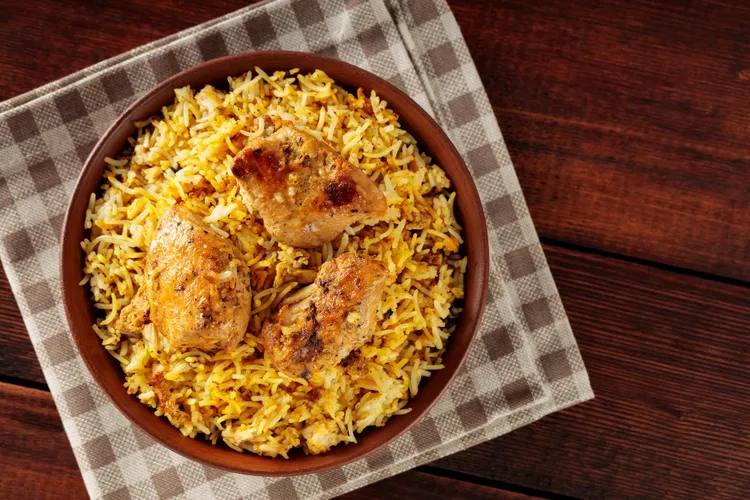
One-pot chicken and rice is, at its core, a simple idea: cook rice in a liquid that has been flavoured by searing chicken, then finish the chicken on top of the rice as it steams. The chicken bastes the rice as it cooks. The rice absorbs the cooking juices from the chicken. Everything finishes simultaneously in a single pot with a depth of flavour that no separate cooking method produces.
The idea is simple. The technique requires understanding three things: the liquid ratio that produces cooked rice without turning the chicken to mush, the searing step that builds the flavour base for everything that follows, and the resting step that allows both the rice and the chicken to finish perfectly without further heat.
Get those three things right and this becomes the most reliable, most satisfying one-pot dinner in the collection - the one that earns its place in the permanent weekly rotation because it is simultaneously impressive and completely effortless once you have made it twice.
The Science: Why Everything Cooks Simultaneously
The reason one-pot chicken and rice works is physics.
Rice absorbs liquid and cooks via steam pressure - in a covered pot, the liquid heats to boiling, the steam is trapped, and the pressure rises slightly, producing temperatures above 100°C that cook the rice efficiently. The process takes 15-18 minutes for long-grain rice, 18-22 minutes for short-grain.
Chicken thighs (bone-in, skin-on) require approximately 35-40 minutes in a moderate oven. But when the chicken sits on top of the rice in a covered pot, two things happen: the chicken's underside is partially steamed by the rice liquid, which significantly reduces its oven time. And the chicken's juices drip down into the rice as it cooks, adding flavour and fat to the rice at every stage of the cooking process.
The result: Both elements are done at the same time - the rice cooked through and fragrant, the chicken tender and juicy - because they were designed to cook together, not separately.
The resting step: After the pot comes out of the oven, it sits covered and off the heat for 10 minutes. This resting period is critical - it allows the residual steam to finish the rice without overcooking, and allows the chicken's juices to redistribute. Opening the pot early produces undercooked rice and dry chicken. Trust the 10 minutes.
Ingredients
Serves 4 | Active time: 20 minutes | Total time: 55 minutes (including rest)
The Base
- 4 bone-in, skin-on chicken thighs (approximately 200g each), patted completely dry
- 1.5 tsp fine sea salt (for the chicken)
- Black pepper, freshly ground
- 2 tbsp olive oil
The Aromatics
- 1 medium onion, finely diced
- 4 cloves garlic, minced
- 1 tsp ground cumin
- 1 tsp smoked paprika
- ½ tsp ground turmeric - adds colour and a subtle earthiness
- ½ tsp dried oregano
- 1 tbsp tomato purée
The Rice and Liquid
- 300g long-grain white rice (basmati or standard long-grain), rinsed until the water runs clear
- 500ml hot chicken stock - hot stock maintains the pot temperature when added; cold stock drops it and disrupts the cooking
- 100ml dry white wine (or an additional 100ml stock)
- 1 bay leaf
- Salt to taste
To Finish
- Fresh parsley or coriander, chopped
- 1 lemon, cut into wedges
- Good olive oil for drizzling
Equipment
A 28-30cm Dutch oven or deep oven-safe casserole with a tight-fitting lid. The tight lid is essential - it traps the steam that cooks the rice. A loose lid or no lid produces undercooked rice and dry chicken. If your pot lid doesn't seal well, place a sheet of foil over the pot before placing the lid - this creates a better seal.
Method
Step 1: Preheat the oven and season the chicken
Preheat the oven to 190°C (fan). Pat the chicken thighs completely dry. Season generously with salt and pepper on both sides.
Why 190°C rather than 200°C: At 200°C, the top of the chicken browns beautifully but the rice can overcook at the base before the chicken is done. 190°C produces a gentle, even heat that allows both elements to finish together.
Step 2: Sear the chicken (8 minutes)
Heat 2 tbsp of olive oil in the Dutch oven over medium-high heat. Place the chicken skin-side down and sear without moving for 6-8 minutes until deeply golden - the same technique as the Lemon Garlic Chicken Thighs. The skin should release from the pot on its own when properly browned.
Remove the chicken and set aside. Do not wash the pot - the fond (caramelised cooking residue) and rendered chicken fat that remain are the foundation of the flavour.
Step 3: Build the flavour base (5 minutes)
Reduce the heat to medium. Add the onion to the rendered fat in the pot. Cook, stirring occasionally, for 4-5 minutes until soft and beginning to colour. Add the garlic and cook for 1 minute until fragrant.
Add the tomato purée and all the dry spices. Stir and cook for 90 seconds - this blooms the spices in the fat, releasing their volatile aromatic compounds and cooking out the raw tomato taste. The mixture will smell intensely good.
Step 4: Add the wine and deglaze
Pour in the white wine. It will sizzle immediately. Scrape the bottom of the pot with a wooden spoon, releasing any remaining fond. Let the wine reduce for 2 minutes until the sharp alcohol smell has cooked off.
Step 5: Add the rice and stock
Add the rinsed rice and stir to coat in the spiced base - 30 seconds of stirring ensures every grain is coated before the liquid goes in. The toasting step adds a subtle nuttiness to the finished rice.
Add the hot stock, bay leaf, and taste for seasoning - the liquid should taste pleasantly seasoned, slightly saltier than you want the finished dish to be (the rice will absorb and dilute the salt as it cooks).
Bring to a simmer.
Step 6: Add the chicken and transfer to the oven
Nestle the seared chicken thighs (skin-side up) into the rice and liquid, pressing them down slightly so they are partially submerged. The skin should protrude above the liquid surface - keeping it above the liquid allows it to crisp in the oven rather than steaming.
Cover the pot with the tight-fitting lid (or foil under the lid for a better seal) and transfer to the preheated oven.
Cook for 30 minutes without opening the pot.
Step 7: The critical rest (10 minutes)
After 30 minutes, remove the pot from the oven. Do not open it. Leave covered for 10 minutes off the heat.
This rest period is non-negotiable:
- The residual steam finishes cooking the rice without the risk of burning the base
- The chicken's internal temperature continues to rise slightly (carryover cooking)
- The juices redistribute through the rice
After 10 minutes, open the pot. The rice should be fluffy and cooked through with a golden crust beginning to form at the edges. The chicken skin should be golden and the meat should pull easily from the bone.
Step 8: Finish and serve
Remove the bay leaf. Taste the rice and adjust seasoning. Scatter fresh parsley or coriander over the dish. Serve directly from the pot with lemon wedges alongside.
Serving presentation: The pot on the table, everyone serving themselves - chicken thighs lifted from the rice with tongs, rice spooned alongside. The socarrat (the golden crust of rice at the base of the pot) is the most prized element; share it evenly.
The Three Variations
Mediterranean
Additions to the aromatics: 1 tsp dried thyme, ½ tsp cinnamon, pinch of saffron dissolved in 2 tbsp hot water (add with the stock), 100g Kalamata olives, 200g cherry tomatoes. Finish: Fresh basil, crumbled feta, lemon. Character: Bright, herbal, slightly briny from the olives. A summer dish.
Middle Eastern (Inspired by Maqluba)
Additions: 1 tsp ground allspice, ½ tsp ground cinnamon, ¼ tsp ground cardamom, 1 tsp ground turmeric. Replace tomato purée with 2 tbsp pomegranate molasses. Finish: Toasted pine nuts, pomegranate seeds, fresh mint, yogurt alongside. Character: Warm spiced, sweet-sour from the pomegranate molasses, aromatic and deeply complex. The most impressive version for guests.
Asian (Inspired by Hainanese Chicken Rice)
Adjustments: Replace olive oil with neutral oil. Aromatics: ginger (2cm, grated) instead of cumin and paprika. Add 2 tbsp soy sauce to the stock. Finish: Sliced spring onion, sesame oil drizzle, a dipping sauce of soy sauce, ginger, and sesame oil on the side. Character: Clean, ginger-forward, deeply savoury. Serve with cucumber and a chili-ginger sauce.
The Socarrat: The Golden Crust You Want
Socarrat is the term in Spanish rice cooking (paella specifically) for the golden, slightly caramelised crust of rice that forms at the base of the pot during the final minutes of cooking. It is not burnt - it is caramelised. It tastes of toasted, concentrated rice and cooking fat, and it is genuinely the best part of the dish.
How to encourage socarrat: After the 10-minute rest, remove the lid and return the uncovered pot to medium heat on the hob for 2-3 minutes. Listen for a gentle crackling sound from the base - this is the socarrat forming. Remove immediately when the crackling begins to intensify. Scrape the base with a wooden spoon to release the crust and distribute it through the rice.
The line between socarrat and burnt: The crackling sound is your indicator. Gentle and consistent = socarrat forming. Aggressive and sharp = about to burn. Stay close.
Troubleshooting
The rice is undercooked after 30 minutes + 10 minute rest. The pot lid doesn't seal well enough, allowing steam to escape. Add 50ml of hot water, re-cover (with foil under the lid for a better seal), and return to a 160°C oven for 10 more minutes.
The rice is mushy. Too much liquid. Reduce the stock to 450ml in the next batch. Also check that the rice was rinsed until the water ran clear - excess surface starch on unrinsed rice causes mushiness.
The chicken skin is pale and soft. The skin was submerged in the liquid rather than sitting above it. Ensure the skin protrudes above the liquid level when the chicken is nestled into the rice, and don't cover the skin with the rice mixture.
The bottom of the rice has burned. The oven was too hot, or the pot was too thin (thin-bottomed pots create hot spots at the base). Reduce the oven temperature to 180°C and use a thicker-bottomed pot - cast iron distributes heat most evenly.
Pro Tips
- Rinse the rice until the water runs clear. Surface starch on unrinsed rice makes the cooking liquid gluey, produces clumped, sticky rice, and prevents the individual grains from remaining distinct. Rinse in a sieve under cold water for 60-90 seconds until the water is clear.
- Hot stock, always. Cold stock added to a hot pot drops the temperature significantly, disrupting the simmer and extending the cooking time unpredictably. Keep the stock in a small saucepan at a gentle simmer while you build the base, then add it hot.
- Don't lift the lid during oven cooking. Every lid lift releases steam, drops the pressure, and extends the rice cooking time. The 30 minutes is calibrated for a sealed pot - trust it.
- The rice absorbs the flavour of the chicken as it cooks. This is the point of the technique. Every grain of rice has absorbed chicken fat, spiced aromatics, and cooking juices. This is why one-pot chicken and rice tastes so much better than chicken and rice cooked separately.
Common Mistake: Using Cold Stock This is the most common technical error in this recipe. Cold stock added to a hot pot drops the temperature significantly - the base of the pot cools, the sizzle stops, the spices stop blooming, and the whole thermal rhythm of the dish is disrupted. Keep your stock hot in a separate saucepan throughout the base-building stage. Add it hot. The transition from building the base to cooking the rice should be continuous, uninterrupted, and maintained at temperature throughout.
FAQ
Q: Can I use chicken breast instead of thighs?
Yes, with significant timing adjustments. Boneless chicken breast placed on top of the rice for the oven stage should be removed after 20-22 minutes (it cooks faster than thighs and dries out if left longer). The dish loses some of the richness that the thigh fat provides to the rice - add an extra tablespoon of olive oil to the base to compensate.
Q: Can this be made in an Instant Pot or pressure cooker?
Yes - use the sauté function for the searing and base-building stages, then pressure cook for 8-10 minutes at high pressure with a 10-minute natural release. The result is excellent and reduces the total time to approximately 30 minutes.
Q: What rice varieties work best?
Long-grain white rice (basmati or standard) is the default - it produces separate, fluffy grains. Short-grain rice produces a creamier, more cohesive result (closer to risotto texture) that works well in the Asian variation. Brown rice requires additional liquid (add 100ml more stock) and a longer cooking time (40 minutes in the oven + 15 minute rest).
Q: How do I reheat leftovers?
Add 2-3 tbsp of water to the pot, cover, and reheat over low heat on the hob for 8-10 minutes, stirring occasionally. The added water prevents the rice from drying out and restores the original texture. Alternatively, reheat in a 160°C oven (covered) for 15 minutes with the same added water.
🔗 Continue Cooking
Latest