Spring Seasonal Cooking: What to Cook March-May
The produce that defines spring, the recipes that make the most of each, and the transition from winter comfort food to lighter, greener cooking
Spring is the most eagerly anticipated cooking season of the year. After months of root vegetables and stored crops, the first purple sprouting broccoli in late February, the first asparagus in late April, and the first British strawberries in June represent genuine excitement - not just variety but freshness of a kind that winter cooking cannot provide.
The spring cook's job is simple: buy what is freshest and most seasonal, and do very little to it. Asparagus that has been in the ground that morning needs nothing more than hot water for 3 minutes and melted butter or hollandaise alongside. Jersey Royal new potatoes need salt, water, and mint. Young spinach needs olive oil and lemon. The complexity of autumn and winter cooking - the long braises, the rich sauces, the warming spices - is replaced by simplicity and restraint.
What's in Season: Month by Month
March
Purple sprouting broccoli: The first major spring vegetable - earlier and more intensely flavoured than regular broccoli. Thin-stalked, with small dark green florets and long edible stems. Excellent blanched and dressed with olive oil, chilli, and garlic; roasted with anchovy butter; or simply steamed alongside any protein.
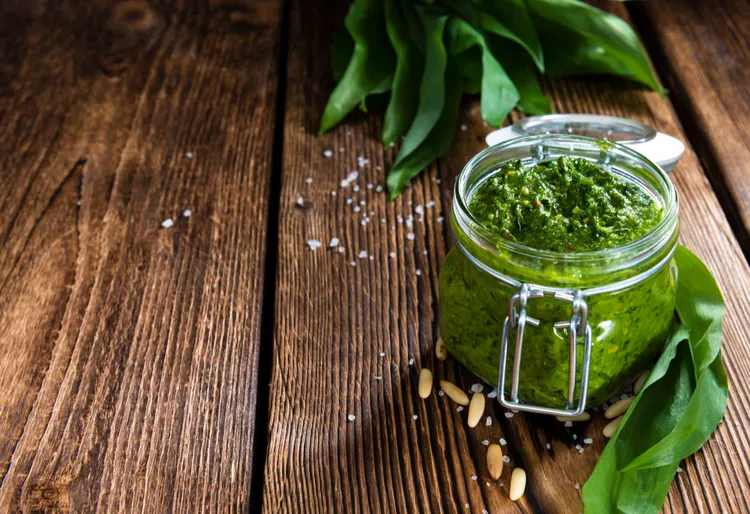
Wild garlic (ramsons): The woodland plant that carpets British and European forests in March and April, producing a heady garlic aroma that signals spring as clearly as anything. The leaves can be used like large basil leaves - in pesto (wild garlic pesto is one of the great spring condiments), wilted into pasta or risotto, or scattered over soup.
Forced rhubarb: The tender, pink, champagne-coloured rhubarb grown in forcing sheds from January through March has a more delicate flavour and less acidity than the outdoor rhubarb that follows in May-June. Use in a compote (5 minutes simmering with sugar and orange juice), a crumble, or a classic rhubarb fool.
British leeks: Still excellent in March before the season ends.
April
Asparagus (late April): The most celebrated British seasonal vegetable - a short window from late April to June that produces some of the world's most sought-after asparagus. British asparagus (particularly from the Vale of Evesham, Worcestershire's asparagus heartland) is widely regarded as among the best. Snap the woody end (it breaks naturally at the right point), blanch for 2-3 minutes, eat with melted butter. It requires nothing else.
Jersey Royal new potatoes: The small, waxy new potato grown only in Jersey, with a distinctive mineral, slightly nutty flavour from the seaweed-enriched soil. Available from April through June. Cook from cold water (do not peel), simmer 15 minutes, drain, toss with butter and fresh mint. The specific flavour of a Jersey Royal is not replicated by any other variety.
Spring onions: Mild, fresh, used raw in salads, charred on the grill, or scattered over anything where a light onion note is wanted.
May
Asparagus (peak): The best asparagus is in May - the season is short, the stems thicker and more flavourful than the first early growth.
Broad beans: Available fresh from May through July. The specific pleasure of podding fresh broad beans on a May afternoon. Young broad beans are tender and sweet; older ones benefit from double podding (removing the outer pod and the inner skin). A bowl of fresh broad beans dressed with olive oil, lemon, fresh mint, and pecorino is one of the great simple spring dishes.
Peas: Fresh peas from May - eaten raw by the handful directly from the pod, or barely cooked. Frozen peas are available year-round; fresh peas in May are genuinely different.
Sea trout: The migrating sea trout of April and May - related to salmon but more delicate, often considered more flavourful. Pan-fried skin-side down with brown butter and a squeeze of lemon.
Lamb: Spring lamb reaches its peak in May - the animals born in late winter, growing through the spring pasture. See Easter Roast Lamb for the centrepiece preparation.
The Spring Recipes
Asparagus Three Ways
The simplest way (butter): Blanch asparagus 2-3 minutes in well-salted boiling water. Drain. Lay on a warm plate. Melt 50g of good butter. Pour over. Season with flaky salt. Nothing else.
The elegant way (hollandaise): The classic combination. The rich, lemony, emulsified sauce against the fresh, slightly grassy asparagus is specifically right and cannot be improved upon. See How to Make Mayonnaise for the emulsification principles behind hollandaise.
The modern way (brown butter and hazelnuts): Blanch the asparagus. Meanwhile, make brown butter (see How to Brown Butter). Add a handful of toasted hazelnuts to the brown butter in the final 30 seconds. Pour immediately over the drained asparagus. Finish with lemon juice.
Wild Garlic Pesto
Make in April - keeps 1 week refrigerated, or freeze in ice cube trays.
Blend 100g of wild garlic leaves (washed, dried) with 50g of toasted walnuts or pine nuts, 50g of Parmesan (grated), 120ml of good olive oil, juice of ½ lemon, and ½ tsp of salt until a rough paste forms.
Uses: Stirred into pasta (with a splash of pasta water to loosen), spread on toast with ricotta, drizzled over soup, as a sauce for grilled fish or lamb, stirred into scrambled eggs. One of the most versatile seasonal condiments available in spring.
Spring Minestrone
The spring version of minestrone - lighter, greener, with asparagus, broad beans, and peas rather than the hearty root vegetables of a winter minestrone.
Sauté 1 onion, 2 sticks celery, 2 cloves garlic in olive oil (6 minutes). Add 1 litre vegetable stock. Add 100g of small pasta shapes. Cook 8 minutes. Add 200g of asparagus (chopped into 2cm pieces), 150g of fresh or frozen broad beans, 150g of fresh or frozen peas. Simmer 4 minutes. Finish with a handful of fresh basil and a generous drizzle of olive oil. Season.
Rhubarb Fool
The simplest spring dessert - 20 minutes.
Simmer 400g of forced rhubarb (cut into 3cm pieces) with 80g of caster sugar and the juice of ½ orange until completely soft (8–10 minutes). Cool completely. Taste - it should be tart but not harsh. Adjust sugar.
Whip 300ml of double cream to soft peaks. Fold through the cooled rhubarb in three or four strokes - you want a marbled, not uniformly pink effect. Divide among glasses. Refrigerate 30 minutes.
Serve with: Crisp shortbread, ginger biscuits, or alone.
Broad Bean and Pea Bruschetta
A spring lunch or starter - 15 minutes.
Cook 150g of fresh or frozen broad beans and 100g of frozen peas in boiling salted water for 3 minutes. Drain. Cool briefly. If using larger broad beans, double pod (remove the inner skin - the bright green interior is sweeter and more tender than the grey-green outer). Mash roughly with a fork with 2 tbsp of olive oil, a squeeze of lemon, salt, and a handful of fresh mint leaves.
Toast thick slices of sourdough. Rub with raw garlic. Spread the broad bean mixture generously. Top with shaved Pecorino or Parmesan and a final drizzle of olive oil.
Jersey Royal Salad with Herbs
The new potato preparation for May.
Boil Jersey Royals (without peeling - the skin contains much of the flavour) from cold salted water until completely tender (15-18 minutes). Drain. Halve while still warm.
Dress immediately while hot: 3 tbsp good olive oil + 1 tbsp white wine vinegar + 1 tsp Dijon mustard + 1 tsp honey + salt. Add fresh dill, fresh chives, and spring onions. Toss gently.
Serve warm or at room temperature - not refrigerator-cold (cold dulls the flavour of the potatoes and the dressing).
Pan-Fried Sea Trout with Brown Butter and Capers
A spring centrepiece - 15 minutes.
Season sea trout fillets with salt. Heat a stainless steel frying pan over high heat. Add 1 tbsp of neutral oil. Place the fillets skin-side down. Press gently for 10 seconds to ensure full skin contact. Cook over high heat for 4-5 minutes until the skin is golden and crispy and the flesh is opaque three-quarters of the way up the fillet. Flip. Cook 1 minute. Remove.
In the same pan, make brown butter (see How to Brown Butter) - 50g of butter until golden and nutty. Add 1 tbsp of capers (rinsed) and the juice of ½ lemon off the heat. Pour immediately over the fish.
Serve with Jersey Royal new potatoes and asparagus.
The Spring Cook's Principles
Buy from local markets when possible. The distance between field and plate is the freshest indicator of spring produce quality. A bunch of asparagus at a farmers' market, cut that morning, has a flavour that supermarket asparagus (which may have been in transit for several days) cannot replicate.
Don't over-season. Spring produce has arrived fresh from months of absence. Its flavour speaks for itself - salt, butter, lemon, and olive oil are all the seasoning required. The complex spicing of autumn and winter cooking is wrong for spring.
Cook green vegetables briefly. The colour and texture of spring greens - asparagus, peas, broad beans, purple sprouting broccoli - deteriorate rapidly with overcooking. 2-3 minutes in aggressively salted boiling water, then immediately to the plate or plunged into ice water to stop cooking. Drab, khaki vegetables are overcooked vegetables.
🔗 Continue Through the Seasons
Latest