Summer BBQ: Charcoal, Marinades and Perfect Timing
The two-zone method, the temperature targets, the marinade science, and the planning system that turns BBQ hosting from chaos into a pleasure
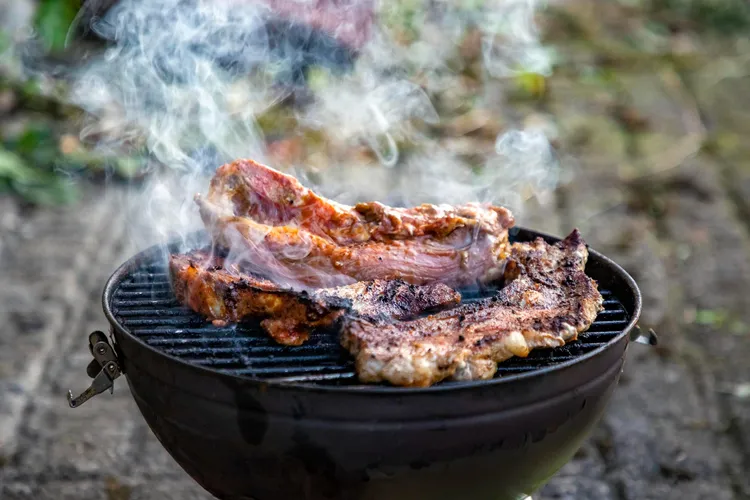
Most BBQ failures have the same cause: cooking everything over direct, maximum heat, immediately. Thin sausages char before the centre is cooked. Chicken thighs burn on the outside while remaining raw at the bone. Steaks are incinerated because the grill was too hot and there was nowhere to move them if they cooked too fast.
The solution is the two-zone fire - the single most important BBQ technique available, and the one that transforms the experience from anxious fire management to controlled outdoor cooking.
Charcoal vs Gas: The Real Differences
The flavour argument for charcoal: Charcoal produces combustion byproducts (aromatic compounds from the burning wood/charcoal) that deposit on the food's surface. These compounds produce the specific "smoky barbecue" flavour that gas cannot replicate. The high, dry, radiant heat of charcoal also produces better Maillard browning on the surface of proteins - the specific char and crust that defines great BBQ.
The argument for gas: Instant ignition. Precise temperature control via the burner knobs. No ash disposal. The flavour gap between charcoal and gas is real but smaller than charcoal enthusiasts typically claim - especially when smoking wood chips are added to a gas grill.
The practical conclusion: If you cook outside fewer than 10 times per year, a gas grill is more convenient and produces genuinely good results. If you cook outside 20+ times per summer, a charcoal kettle grill produces better flavour and is worth the additional setup time.
The Two-Zone Fire: The Most Important BBQ Technique
What it is: Setting up the BBQ with high heat on one side and no heat (or very low heat) on the other. This creates two cooking zones that serve different purposes.
For charcoal: Bank all the lit coals to one half of the grill. The coal side is the direct heat zone; the empty side is the indirect heat zone.
For gas: Light one or two burners on one side. Leave the other side unlit. The lit side is direct; the unlit side with the lid closed is the indirect zone.
Why it transforms BBQ:
Direct heat zone: For searing - steaks, burgers, sausages, and other thin items that benefit from maximum heat and rapid Maillard browning. Use for the first 2-3 minutes of any protein you want charred on the surface.
Indirect heat zone: For cooking through - chicken thighs, whole legs, ribs, anything thick enough to require extended cooking time without burning the exterior. With the lid closed, the indirect zone acts like an oven (convection heat). Proteins moved here after initial searing finish cooking gently without burning.
The reverse-sear method for thick steaks: Start thick steaks (3cm+) in the indirect zone until they reach 5-8°C below the target internal temperature. Move to direct heat for the final 60-90 seconds per side for maximum crust. This produces a more even doneness throughout the steak than conventional searing first.
Temperature Targets for the BBQ
The same internal temperatures as oven cooking apply to the BBQ - see Cooking Temperatures: The Complete Guide for the full reference.
| Protein | Target Internal Temp | Doneness |
|---|---|---|
| Beef steak (medium-rare) | 54-57°C | Pull at 52°C; rest 5 min |
| Beef burger | 74°C | Minced meat - cook through |
| Chicken thigh (bone-in) | 80°C | Dark meat tolerates higher temp |
| Chicken breast | 74°C | Pull at 71°C - dries quickly above 74 |
| Pork chops/ribs | 63°C | Slightly pink is safe and juicy |
| Lamb chops | 55-60°C | Medium-rare is ideal |
| Sausages | 74°C | Minced meat - cook through |
| Salmon | 52-55°C | Medium - still moist |
| Prawns | Pink and opaque | Visual indicator reliable |
BBQ Fuel Management
For charcoal - the chimney starter: A chimney starter is the most efficient charcoal lighting method - no lighter fluid taste, no chemical smell, coals ready in 15-20 minutes. Fill with charcoal, place newspaper in the bottom, light. When the top coals are covered in grey ash, they are ready to pour onto the grill.
Coal quantity:
- Direct grilling only (sausages, burgers, thin items): One chimney of coals spread evenly.
- Two-zone setup: One chimney of coals banked to one side.
- Long, slow cooking (ribs, whole chicken): One and a half chimneys banked to one side; add unlit coals every 45 minutes.
Temperature by hand test (above the direct heat zone):
- Can hold hand 10cm above grill for 2 seconds: very hot (220°C+) - for searing
- 4 seconds: medium-hot (180-200°C) - for most direct grilling
- 6 seconds: medium (150-170°C) - for chicken and pork
The BBQ Hosting Timeline
2 days ahead:
- Marinate proteins (the longer, the more flavourful - 24 hours is optimal for most marinades)
- Make any compound butters for finishing
- Prepare cold sides and salads
1 hour before guests arrive:
- Set up the BBQ station - tools, plates, condiments, serving platters
- Light the coals (charcoal) or preheat the gas grill
- Prep any vegetables for grilling (slice, oil, season)
- Take proteins from the refrigerator (15-20 minutes at room temperature before cooking)
As guests arrive:
- Coals will be at optimal temperature
- Begin with the things that take longest: whole chicken pieces (35-40 min), corn in husks (20 min), whole fish (15-20 min)
- Move to: thicker steaks (8-12 min), lamb chops (8-10 min)
- Finish with: burgers (8-10 min), sausages (15-20 min at medium heat), skewers (6-8 min)
Never leave the grill completely unattended. Flare-ups from dripping fat can char food in seconds.
The Essential Equipment
| Item | Why | Cost |
|---|---|---|
| Instant-read thermometer | The only reliable doneness test | £8-25 |
| Long tongs (40cm+) | Safe distance from heat | £5-15 |
| Grill brush | Essential for clean grates | £8-15 |
| Chimney starter | Best charcoal lighting | £15-25 |
| Basting brush | For glazes and sauces | £4-8 |
| Cast iron grill pan or plancha | For small items that fall through grates | £20-40 |
The Five Essential BBQ Marinades
(See BBQ Marinades, Rubs and Sauces: 12 Recipes for the complete collection.)
1. Classic Yogurt Marinade (for lamb and chicken): 250ml full-fat yogurt + 1 tbsp lemon juice + 4 cloves garlic (minced) + 1 tbsp cumin + 1 tsp coriander + 1 tsp smoked paprika + ½ tsp chilli + 2 tsp salt. The yogurt's lactic acid tenderises while the fat protects against the grill's drying heat. Minimum 4 hours; 24 hours optimal.
2. Soy and Ginger Marinade (for chicken, pork, salmon): 60ml soy sauce + 2 tbsp honey + 1 tbsp sesame oil + 3 cloves garlic (minced) + 2cm ginger (grated) + 1 tbsp rice vinegar. Caramelises beautifully on the grill, producing a lacquered, slightly sticky surface.
3. Chimichurri Marinade (for beef): Blend: large bunch flat-leaf parsley + 4 garlic cloves + 2 tbsp red wine vinegar + 1 tsp dried oregano + ½ tsp chilli flakes + 120ml olive oil + salt. Use as both a marinade (2-4 hours) and a finishing sauce served alongside.
4. Memphis Dry Rub (for ribs and pork): Mix: 3 tbsp smoked paprika + 2 tbsp brown sugar + 1 tbsp garlic powder + 1 tbsp onion powder + 2 tsp cumin + 1 tsp cayenne + 2 tsp black pepper + 2 tsp salt. Rub generously over the meat. Leave for 1-24 hours before grilling.
5. Jerk Marinade (for chicken): Blend: 6 spring onions + 4 Scotch bonnet or habanero chillies + 4 garlic cloves + 2cm ginger + 2 tbsp soy sauce + 2 tbsp brown sugar + 1 tbsp allspice + 1 tsp cinnamon + 1 tsp dried thyme + juice of 2 limes + 3 tbsp neutral oil. Minimum 4 hours; overnight produces genuinely authentic depth.
BBQ Safety
Flare-ups: Caused by dripping fat igniting. Have a spray bottle of water nearby to knock down flare-ups. Moving food to the indirect zone removes it from the flare-up without extinguishing the fire.
Food safety: Never reuse a marinade that has been in contact with raw meat. Designate separate plates for raw and cooked proteins.
Never use a BBQ indoors or in an enclosed space. Carbon monoxide production from burning charcoal is rapidly lethal in an enclosed environment.
Ash disposal: Allow charcoal ash to cool completely before disposal - typically 24 hours after the last use. Hot ash can ignite ordinary waste bins.
Pro Tips
- Oil the grill grates, not the food. Oiling the grates prevents sticking without the risk of oily food dripping onto coals and causing flare-ups. Use a tightly folded paper towel soaked in oil, held with tongs, rubbed along the hot grates.
- Let the grill reach temperature before cooking. A cold grill stick to protein and produces poor searing. A hot grill releases food cleanly after the initial Maillard browning. 10-15 minutes with the lid closed.
- Rest meat from the BBQ exactly as you would from the oven. The resting science is identical - muscle fibres need 5 minutes (thin cuts) to 10 minutes (thick steaks, chicken pieces) to reabsorb their juices.
- Use a two-stage cooking approach for chicken. Chicken thighs cooked bone-in directly over high heat for 20+ minutes consistently produce burnt skin and raw joints. Two-zone method: indirect heat for 25 minutes to cook through, then 2 minutes direct heat per side for colour. Completely solves the problem.
🔗 The Summer BBQ Collection
Latest