The Best Pans for One-Pan Cooking: An Honest Buyer's Guide
Three vessels handle everything in this collection. Here is exactly what to buy, in what order, and why.
The cookware market is enormous and bewildering. Every brand has an opinion. Every reviewer has a favourite. Every kitchen shop sells products that promise to transform your cooking. And underneath all of it, a simple truth: for one-pan and one-pot cooking, you need three vessels. Not fifteen. Three. A cast iron skillet, a sheet pan, and a Dutch oven. Everything else is optional at best and unnecessary at worst.
This guide tells you what each vessel does, why it does it better than the alternatives, what to look for when buying, and - honestly - what to avoid spending money on. It is written for the cook who wants to do one-pan cooking well without overspending on equipment that sounds impressive but doesn't improve results.
Vessel 1: The Cast Iron Skillet
What It Is
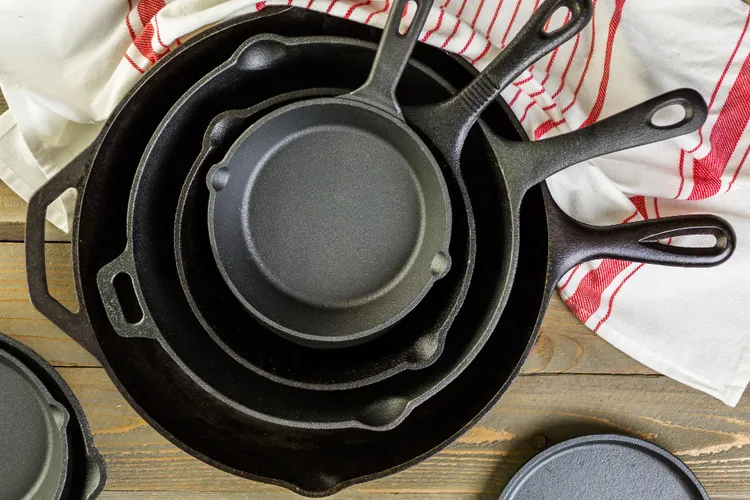
A heavy, thick-walled frying pan made of cast iron - either bare (seasoned) or enamelled. It holds heat exceptionally well, distributes it evenly once up to temperature, and goes from hob to oven without issue. A well-maintained cast iron skillet is one of the few pieces of kitchen equipment that improves with age and use.
Why It Is the Most Versatile Pan in This Collection
Cast iron's heat retention is the key property. When you place food in a cold stainless steel pan, the temperature drops immediately - the pan gives up its heat to the food and the cooking environment. When you place food in a preheated cast iron skillet, the temperature barely drops - the mass of the iron retains its heat and the food sears immediately on contact.
This property produces the crust. The deep golden colour on chicken thighs, the fond-building sear on pork tenderloin, the immediate caramelisation on the cut side of an apple - these all require a pan that maintains its temperature when cold, wet food hits it. Cast iron does this better than any other material available to home cooks at a reasonable price.
What it handles in this collection: Lemon garlic chicken thighs, pork tenderloin, shakshuka, one-pan orzo, and any skillet-to-oven preparation.
What to Buy
Size: 28cm (11-inch) is the standard for most one-pan recipes serving 2-4. A 25cm (10-inch) works for 1-2 people. A 30cm (12-inch) is better for 4-6 but heavier to handle.
Bare cast iron vs. enamelled cast iron:
- Bare cast iron (Lodge, Field Company, Solidteknics) is slightly cheaper, requires seasoning (building a non-stick layer of polymerised oil), and should not be used for very acidic dishes (tomatoes, wine sauces) for extended periods - the acid strips the seasoning. It is the better choice for high-heat searing because bare iron can handle higher temperatures than most enamels.
- Enamelled cast iron (Le Creuset, Staub, Budget: IKEA VARDAGEN) does not need seasoning, handles acidic ingredients without issue, and cleans more easily. Slightly more expensive. The enamel can chip if dropped or thermally shocked (moving directly from very high heat to cold water).
Recommended at different price points:
- Budget (£20-35): Lodge L8SK3 (bare, US-made, excellent quality, widely available)
- Mid-range (£50-80): Field Company No. 8 (lighter than standard cast iron, good finish)
- Investment (£150-250): Le Creuset Signature Skillet (enamelled, lifetime warranty, excellent heat distribution)
What not to buy: Non-stick "cast iron look" pans made of thin aluminium with a non-stick coating marketed as cast iron alternatives. These do not have cast iron's heat retention, warp under high heat, and the non-stick coating degrades. They are not substitutes.
Seasoning Bare Cast Iron
A new bare cast iron skillet comes with a factory seasoning - a thin layer of protective oil applied during manufacturing. Before first use:
- Wash with mild soap and dry completely
- Apply a very thin, even layer of flaxseed oil, vegetable shortening, or lard to all surfaces (including the exterior and handle)
- Place upside down in a 230°C oven for 1 hour
- Allow to cool completely in the oven
Repeat 2–3 times for a robust initial seasoning. Ongoing seasoning happens naturally through use - cooking fatty foods (bacon, sausages, chicken thighs) builds and maintains the seasoning over time. Avoid soaking in water, dishwashers, and leaving wet. Dry immediately after washing.
Vessel 2: The Sheet Pan (Baking Tray with Rim)
What It Is
A flat, rimmed metal tray designed for oven use. The rim prevents food and juices from spilling over the edge, provides structural rigidity, and allows the pan to be moved and rotated safely. The standard size for home use is the half-sheet (approximately 30×40cm).
Why Material and Weight Matter More Than Brand
Unlike cast iron (where all brands share similar properties), sheet pans vary enormously in quality - and the variation matters significantly for cooking results.
Gauge (thickness): Heavy-gauge sheet pans (sometimes called commercial or restaurant-grade) are 18-gauge aluminium or thicker. They distribute heat evenly and do not warp at high oven temperatures. Thin sheet pans warp - producing a buckled, uneven surface that causes food to slide toward the edges and cook unevenly. The most common sheet pan failure in home cooking is the loud bang of a thin pan warping in a hot oven.
Material:
- Heavy-gauge aluminium: The gold standard. Conducts heat evenly, lightweight relative to its strength, durable. The correct choice for the majority of sheet pan cooking.
- Stainless steel: Heavier, slightly less even heat distribution than aluminium, but extremely durable. Good for applications where acidic glazes or marinades might react with aluminium over time.
- Non-stick coated: Adequate for delicate applications (fish, glazed items) but the coating degrades over time, particularly at the high temperatures (200–220°C) that sheet pan cooking requires. Not the best long-term choice.
- Dark-coloured/carbon steel: Absorbs more heat than light-coloured aluminium, producing faster browning. Requires shorter cooking times than stated in recipes calibrated for light pans. Good for experienced cooks; not recommended as a first sheet pan purchase.
Recommended at different price points:
- Budget (£10-20): Nordic Ware Natural Aluminium Half Sheet (widely available, commercial-grade, excellent performance)
- Mid-range (£20-35): USA Pan Half Sheet Pan (reinforced edges, non-stick coating, commercial quality)
- Good value: Any heavy-gauge aluminium tray from a restaurant supply store - often the best value and the same quality used by professional kitchens
What not to buy: The thin, light baking trays sold in supermarkets for £3-5. They warp, they produce uneven browning, and they need replacing every year. Spend £15 on a proper heavy-gauge pan and it lasts decades.
The Wire Rack
A wire cooling rack that fits inside the sheet pan transforms the pan's capabilities. Food elevated on a wire rack has air circulating underneath it, which:
- Allows the underside to crisp and brown rather than steam in the collected juices
- Produces significantly crispier results for chicken skin, sausages, and anything where the underside texture matters
- Makes it easy to remove food from the pan without it sticking
A wire rack costs £5-10 and is one of the highest-value additions to a sheet pan setup.
Vessel 3: The Dutch Oven (Enamelled Cast Iron Casserole)
What It Is
A heavy, thick-walled pot with a tight-fitting lid, designed to go from hob to oven. Made of cast iron (usually enamelled), it holds heat exceptionally well and distributes it evenly through long, slow cooking. The tight-fitting lid traps steam and moisture, producing the braising conditions that turn tough cuts of meat into tender, falling-apart results.
Why the Dutch Oven is the One-Pot Cooking Vessel
The Dutch oven's combination of properties is unique: it sears at high temperature on the hob (because cast iron retains heat), then braises gently in the oven (because the heavy lid seals in moisture and the thick walls maintain even temperature). No other vessel does both as well.
A thin, cheap casserole dish creates hot spots that scorch the base. A lightweight pot with a poor-fitting lid allows moisture to escape, producing dry, tough braised food. A Dutch oven, used correctly, produces the silky, unctuous results that slow cooking promises.
What it handles in this collection: One-pot beef stew, one-pot chicken and rice, all braised dishes, soups, and any preparation that begins with a sear and ends with slow cooking.
What to Buy
Size: 4-5 litre capacity for a family of 4. This handles most recipes in this collection comfortably. A 6-7 litre pot is better for larger batches (beef stew for 6-8, large batches of soup).
Enamelled vs. bare cast iron: For a Dutch oven, enamelled is almost always the better choice. The long, acidic cooking in braised dishes (wine, tomatoes) would strip the seasoning from bare cast iron over time. Enamel handles acidic ingredients without issue and cleans easily.
Shape: Round for most applications. Oval Dutch ovens are better for whole birds and large roasts but less efficient for soups and stews.
Recommended at different price points:
- Budget (£30-60): IKEA VARDAGEN casserole (enamelled, functional, significantly cheaper than premium brands - an excellent starting point)
- Budget (£40-80): Tramontina Enamelled Cast Iron (widely available, comparable performance to premium brands at a fraction of the price)
- Mid-range (£80-150): Lodge Enamelled Cast Iron Dutch Oven (excellent quality, made in the US, available widely)
- Investment (£200-350): Le Creuset Signature Round Casserole or Staub Cocotte (premium enamel, precise fit lids, lifetime warranty, genuinely excellent performance - worth the price if you cook regularly)
What not to buy: Thin-walled enamel casseroles (the type sold in supermarkets for £15-25). They warp, develop hot spots at the base, and produce uneven braising. The whole point of a Dutch oven is its thermal mass - a lightweight pot cannot replicate this.
What You Don't Need
One-pan cooking is an area where equipment marketing is particularly aggressive. Here is an honest list of products commonly marketed at home cooks that are genuinely unnecessary for the recipes in this collection:
Dedicated one-pan divider trays: Sheet pans with raised dividers that separate protein from vegetables. The dividers prevent the fat from one section flavouring another - which is the opposite of what makes sheet pan cooking good. An unnecessary solution to a non-existent problem.
"Miracle" non-stick one-pan systems: Marketed heavily on television shopping channels and social media. Typically thin aluminium with a non-stick coating, marketed as the only pan you will ever need. The coating degrades at sheet pan temperatures, and the thin gauge produces the warping and hot-spot problems described above.
Dedicated egg pan / fajita pan / paella pan for home use: Unless you make paella weekly, a good cast iron skillet or wide sauté pan handles all of these applications. A 28cm cast iron skillet makes better paella than most purpose-designed home paella pans.
Copper cookware for general use: Beautiful, excellent for precise temperature control in professional kitchens, expensive, high-maintenance (requires polishing), and overkill for the one-pan cooking in this collection. The performance advantage of copper over cast iron for these recipes is minimal.
Glass casserole dishes: Glass does not go on the hob (except specialised stovetop glass, which is rare). This means no searing step - you must sear in a separate pan first. A Dutch oven that goes from hob to oven eliminates this extra step and extra washing up. Glass casseroles for one-pot braised dishes are specifically the wrong tool.
The Complete One-Pan Kitchen: Building Your Set Incrementally
If you are starting from scratch and want to build the optimal kit without buying everything at once:
First purchase: A 28cm heavy-gauge sheet pan + wire rack. Together approximately £20-25. This handles every sheet pan recipe in the collection immediately.
Second purchase: A 28cm cast iron skillet (Lodge or equivalent). Approximately £25-35. This adds all skillet-based one-pan cooking - chicken thighs, pork tenderloin, shakshuka, orzo, and more.
Third purchase: A 4-5 litre enamelled Dutch oven (Tramontina or Lodge). Approximately £50-80. This adds all one-pot braised dishes - beef stew, chicken and rice, soups, and everything else that requires long, covered cooking.
Total investment for the complete kit: £95-140. This covers every recipe in this collection and the vast majority of home cooking beyond it.
Care and Maintenance
Cast Iron Skillet (Bare)
- Clean with hot water and a stiff brush (not soap for regular cleaning - occasional soap is fine but not after every use)
- Dry immediately and completely - never leave wet
- Apply a thin film of oil while still warm, wipe with a paper towel to remove excess
- Store in a dry place
- Never put in a dishwasher
Cast Iron Skillet (Enamelled)
- Wash with warm soapy water; a soft cloth or sponge
- Avoid metal scourers that scratch the enamel
- Do not thermally shock (move from very high heat to cold water) - the enamel can crack
- Dishwasher-safe in most cases, but hand-washing preserves the enamel longer
Sheet Pan
- Wash with warm soapy water after each use
- For baked-on residue: soak in warm water with a tablespoon of baking soda for 30 minutes, then scrub
- Some discolouration over time is normal and does not affect performance
- Never put a hot sheet pan under cold water - this can cause warping
Dutch Oven (Enamelled)
- Wash with warm soapy water
- For stubborn residue: fill with water and a tablespoon of bicarbonate of soda, bring to a simmer for 5 minutes, allow to cool, then scrub
- Avoid harsh abrasives on the enamel
- Check the lid regularly for chips - chipped enamel can be a food safety concern if pieces enter food
Pro Tips
- Preheat your cast iron before use. A cold cast iron skillet dropped into a hot situation (adding room-temperature food to a cold pan on high heat) produces uneven, disappointing searing. Preheat over medium heat for 3-5 minutes before adding oil and food.
- The sheet pan handles from the oven are very hot. This sounds obvious. It is the most common cause of minor burns in one-pan cooking. Use oven gloves. Always.
- The Dutch oven lid is the seal that makes braising work. If your lid does not fit tightly, place a sheet of foil over the pot before placing the lid - the foil conforms to the rim and creates an effective seal.
- Season your bare cast iron in the oven, not on the hob. Hob seasoning creates uneven results - the base heats but the sides do not. Oven seasoning distributes the heat evenly to all surfaces, building a consistent protective layer.
- Buy once, buy right. The difference between a £15 thin sheet pan and a £25 heavy-gauge one is not the £10 - it is the difference between 2 years of use and 20 years of use, and the difference between warped, uneven cooking results and consistent excellent ones.
The Most Common Equipment Mistake: Buying Non-Stick for High-Heat Cooking Non-stick coatings (PTFE/Teflon and similar) begin to degrade at around 230°C and release compounds that are a health concern at 260°C+. Sheet pan cooking at 220°C+ sits right at this threshold. For sheet pan cooking specifically, heavy-gauge aluminium without a non-stick coating is the correct choice - food releases cleanly from a properly preheated, lightly oiled aluminium pan, and there are no coating degradation concerns at any oven temperature. Reserve non-stick pans for eggs, pancakes, and other low-heat applications.
FAQ
Q: Do I need all three vessels before I start cooking from this collection?
No - start with a sheet pan and wire rack (£20-25) and you can make more than half the recipes in this collection immediately. Add the cast iron skillet next. The Dutch oven last, if your cooking extends to braises and long-cooked dishes.
Q: Is a wok a substitute for any of these?
A wok handles stir-frying and some hob-based one-pan cooking but does not go in the oven (most woks) and does not retain heat in the same way as cast iron. It is not a substitute for any of the three vessels in this guide, though it is a useful addition for Asian-inspired cooking.
Q: My cast iron is sticky after seasoning. What went wrong?
Too much oil was applied before the oven seasoning step. The oil should be rubbed to an almost-dry finish - a very thin, even film. Excess oil pools during the oven seasoning process and produces a tacky, gummy surface rather than a smooth, polymerised layer. Strip the excess seasoning by heating to 260°C for 30 minutes, then re-apply with a very thin oil layer.
Q: Can I use a regular saucepan instead of a Dutch oven for the one-pot dishes?
For soups and pasta: yes - a heavy-based saucepan handles these adequately. For braised dishes (beef stew, chicken and rice): the saucepan needs to go in the oven, which most standard saucepans cannot do (plastic handles). The Dutch oven's advantage is specifically its hob-to-oven capability with a tight-fitting lid. If your saucepan has a metal handle and a metal lid, it may work - check the manufacturer's temperature rating.
🔗 Apply Your Equipment
- The One-Pan Dinner Formula: How to Make Any Protein + Any Vegetable Work Together
- Sheet Pan Dinner Masterclass: The Technique Behind Perfect Roasting
- One-Pan Lemon Garlic Chicken Thighs with Roasted Vegetables
- One-Pot Beef Stew: The Sunday Classic Made Easy
- One-Pot Chicken and Rice: The Definitive Recipe
- One-Pan & One-Pot Dinners: The Ultimate Guide
Latest