Sheet Pan Dinner Masterclass: The Technique Behind Perfect Roasting
Temperature, spacing, timing, foil vs. no foil - every variable that determines whether your sheet pan dinner is excellent or mediocre
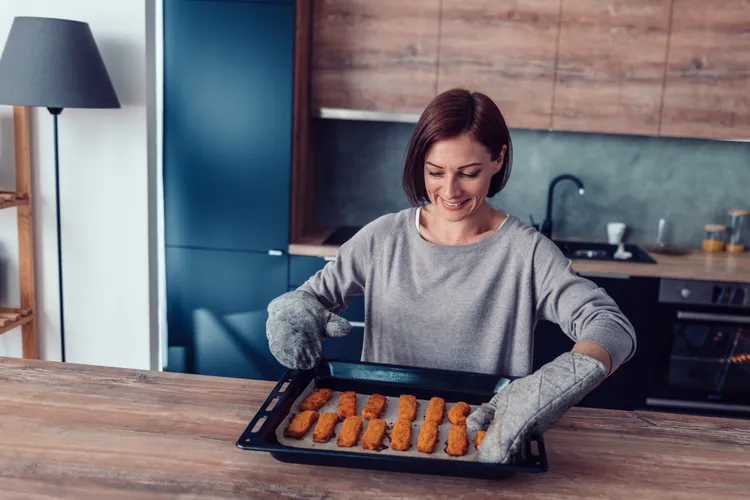
Sheet pan cooking is the simplest cooking method in this collection. It is also the one with the most variables that affect the outcome - and the one where most home cooks get at least one variable wrong, producing results that are good but not great when they could reliably be excellent.
This post addresses every variable. By the end, every sheet pan dinner you make will produce the caramelised, slightly charred, intensely flavoured result that makes this cooking method so appealing - not just occasionally, when everything happens to align, but every time.
The Maillard Reaction: Why Temperature Matters More Than Anything
Everything in sheet pan cooking comes back to one chemical reaction: the Maillard reaction, named after the French chemist Louis-Camille Maillard who described it in 1912. It is the reaction between amino acids and reducing sugars that occurs at high temperatures, producing the hundreds of flavour compounds responsible for the brown, slightly crispy, complex taste of roasted food.
The Maillard reaction begins at approximately 140°C and accelerates significantly above 160°C. This is why low-temperature roasting produces pale, soft, gently cooked food - the surface never gets hot enough for significant Maillard browning. And it is why high-temperature roasting produces the caramelised, charred, deeply flavoured result that makes sheet pan cooking so compelling.
The practical implication: For sheet pan dinners, 200-220°C (fan/convection) is the standard working temperature range. Below 180°C, browning is insufficient. Above 230°C, smaller or thinner items burn before they cook through.
Fan/convection vs. conventional oven: Fan ovens circulate hot air, producing more even, faster browning. Conventional ovens have hot spots and produce slower, more variable browning. For sheet pan cooking, fan/convection is significantly better. If your oven only has conventional heat, increase the temperature by 10-20°C and rotate the pan halfway through cooking.
The Pan: Not All Sheet Pans Are Equal
The sheet pan itself determines a significant portion of the result. Here is what matters:
Material: Heavy-gauge aluminium is the gold standard - it conducts heat evenly, doesn't warp at high temperatures, and produces consistent browning across the surface. Thin, cheap pans warp in the oven, creating uneven heat distribution and uneven browning. Dark-coloured pans absorb more heat and produce faster, darker browning. Light-coloured pans are more moderate. Both work; darker pans require slightly more attention to timing.
The rimmed edge: Always use a sheet pan with a rim - the rim prevents juices and fats from dripping onto the oven floor, keeps food from sliding off during rotation, and provides structural rigidity that rimless pans lack.
Size: The standard half-sheet pan (approximately 30×40cm) is the correct size for most one-pan dinners for 2-4 people. A full-sheet pan (30×60cm) is better for larger quantities. For two people, a quarter-sheet pan (20×30cm) avoids the overcrowding problem in smaller batches.
The wire rack: Placing a wire rack inside the sheet pan and cooking food on the rack (rather than directly on the pan) produces significantly crispier results for proteins - air circulates underneath, preventing the bottom of the food from steaming in its own juices. Essential for chicken thighs, sausages, and any protein where the underside crisping matters.
Spacing: The Most Important Variable Nobody Talks About
If there is one single change that produces the most dramatic improvement in sheet pan cooking results, it is this: give every piece of food its own space.
When food is crowded on a sheet pan, the moisture it releases during roasting cannot evaporate efficiently - it creates a humid micro-environment around the food, which steams rather than roasts. The result is pale, slightly soft food with no char and no caramelisation.
When food has space around each piece, moisture evaporates immediately, the oven's dry heat can reach every surface, and the Maillard browning proceeds correctly.
The visual rule: Looking at your sheet pan from above, you should see the pan surface between every piece of food. If you cannot see the pan, the food is too crowded. Use two pans.
The calculation: For standard oven roasting, allow approximately 80-100cm² of pan surface per medium-sized piece of food (a chicken thigh, a large carrot chunk, a significant broccoli floret). A standard half-sheet pan (1,200cm²) holds approximately 12-15 medium pieces comfortably - enough for 2-3 people for most one-pan dinners.
Foil vs. No Foil: The Definitive Answer
This is one of the most argued questions in sheet pan cooking. The answer is: it depends on what you want.
Foil produces:
- Steaming and braising at the surface-food interface
- Softer, moister food
- Easy clean-up
- No browning where the food contacts the foil
No foil produces:
- Direct contact between the hot metal and the food
- Maximum browning and caramelisation at the base of the food
- Slightly more clean-up
- Significantly better texture for most sheet pan applications
When to use foil:
- When roasting very delicate fish that you don't want to dry out
- When you want to steam vegetables as part of the method (wrap in foil parcels)
- When marmalade, honey, or other sugary glazes would burn on bare metal
- When you want to roast garlic heads (wrap individually)
When not to use foil:
- Virtually every other sheet pan situation. Vegetables, chicken, sausages, potatoes, chickpeas - all produce better results directly on the pan.
Parchment paper is a better default than foil for most sheet pan cooking. It prevents sticking without the steaming effect of foil, allows some browning at the base of the food, and makes clean-up easier. For anything that tends to stick (fish, glazed proteins), parchment is the correct choice.
Temperature Guide for Common Sheet Pan Ingredients
| Ingredient | Temperature | Time | Notes |
|---|---|---|---|
| Chicken thighs (bone-in) | 200°C fan | 35-40 min | Wire rack for max crispiness |
| Chicken breast | 200°C fan | 22-25 min | Prone to drying - don't overcook |
| Salmon fillet | 200°C fan | 12-15 min | Parchment recommended |
| Whole sausages | 200°C fan | 25-30 min | Turn once at 15 min |
| Potatoes (floury, cubed) | 220°C fan | 35-45 min | Parboil first for crispy exterior |
| Sweet potato (cubed) | 200°C fan | 30-35 min | Lower heat than regular potato |
| Butternut squash | 200°C fan | 30-35 min | High heat for caramelisation |
| Carrots (batons) | 200°C fan | 25-30 min | Smaller = faster; don't overcrowd |
| Broccoli / tenderstem | 220°C fan | 15-20 min | High heat for char; space critical |
| Asparagus | 200°C fan | 10-15 min | Very fast; add late |
| Cherry tomatoes | 200°C fan | 15-20 min | Release liquid; position carefully |
| Chickpeas (dried from can) | 220°C fan | 25-30 min | Must be completely dry before roasting |
| Halloumi (sliced) | 200°C fan | 15-18 min | No oil needed; its fat is sufficient |
The Preheating Rule
The pan must be preheated before food goes on it.
This is the instruction most people ignore because it requires waiting, and waiting feels like wasted time. It is not wasted time. A preheated sheet pan produces immediate sizzle and browning when food hits the surface - particularly important for the base of chicken thighs, the underside of potatoes, and the bottom of sausages. A cold pan produces steaming at the base of the food before the temperature rises high enough for browning.
How to preheat: Place the empty sheet pan in the oven while the oven preheats. By the time the oven is at temperature, the pan is too. Add the food quickly and return to the oven.
The exception: When using parchment paper, preheat the pan but add the parchment and food quickly - parchment paper placed in a preheated pan for more than a few seconds before food is added can begin to brown at the edges.
Rotation and Heat Distribution
Most home ovens have hot spots - areas that are hotter than the average temperature, typically at the back and often at the top. Food closest to these hot spots browns faster than food farther away.
The solution: Rotate the pan 180° halfway through cooking. This moves the food that was at the back to the front, and vice versa, producing more even browning across the whole pan.
When to rotate: At exactly half the total cooking time for most recipes. For a 40-minute roast, rotate at 20 minutes.
The exception: Do not rotate fish or other delicate proteins - they are too fragile to disturb during cooking. Position them in the centre of the pan where heat distribution is most even, and accept slightly less perfectly even browning.
The Doneness Signals by Food Type
Vegetables
- Root vegetables (potatoes, carrots, parsnips): deeply golden at the edges, fork-tender in the centre. A fork should meet almost no resistance at the thickest point.
- Brassicas (broccoli, cauliflower, Brussels sprouts): dark brown to almost charred at the tips, tender at the stem. The char is not a mistake - it is the flavour.
- Soft vegetables (courgette, asparagus, tomatoes): slightly collapsed, caramelised at the edges, just tender. Do not roast until completely soft - there should still be some resistance.
Proteins
- Chicken thighs: skin is deeply golden and crispy, juices run completely clear when pierced at the thickest point, internal temperature 74°C.
- Salmon: opaque at the edges, slightly translucent at the very centre of the thickest part. It continues cooking as it rests - pull it slightly before it looks completely done.
- Sausages: deep golden brown all over, juices run clear when pierced, skin slightly caramelised.
- Chickpeas: crispy exterior, slight crunch when bitten. If they feel soft, return for 5 more minutes.
The Finishing Touches That Transform Good into Great
Sheet pan food comes out of the oven hot, well-seasoned (if you seasoned correctly before roasting), and fully cooked. The finishing touches are what elevate it from simply cooked food to something worth talking about.
Fresh acid immediately before serving: A squeeze of fresh lemon, a splash of red wine vinegar, or a few drops of balsamic glaze. The acid brightens everything and provides contrast to the richness of the roasted fats.
Fresh herbs: Added after the oven, never before. Heat destroys the volatile aromatic compounds in fresh herbs - the colour fades, the flavour mutes. Scatter generously after the pan comes out and the food has rested.
A finishing oil: A drizzle of your best olive oil over hot, just-roasted food adds a raw, grassy freshness that the cooking oil (which has been in the oven and has developed different compounds) doesn't have.
Flaky sea salt: A pinch of flaky sea salt (Maldon, fleur de sel) over the finished dish adds a textural crunch and a clean salinity that fine salt applied before cooking doesn't produce.
Pro Tips
- Dry your vegetables before seasoning. Wet vegetables steam rather than roast. Pat dry with paper towels, or spread on a clean tea towel and leave to air-dry for 10 minutes before oiling.
- Season more than you think you need to. Roasting concentrates and intensifies flavours - including seasoning. Food that tastes correctly seasoned going into the oven will taste under-seasoned coming out. Season assertively.
- Two pans, same oven. When cooking for a crowd, use two pans on different oven shelves rather than one crowded pan. Swap shelf positions at the rotation point to compensate for the upper shelf being hotter.
- Don't open the oven constantly. Every oven opening drops the temperature by 10-20°C and releases the built-up heat that is producing the browning. Check at the halfway point for rotation; check again at the expected completion time. Two openings per dish is the standard.
- The bottom shelf for crispier bases. The bottom of the oven is the hottest surface - the heating element is closest. Placing the sheet pan on the bottom shelf or lower-middle rack produces crispier undersides on potatoes and chicken than the centre rack.
Common Mistake: Adding Oil After the Oven Has Preheated Adding oil to a pan that is already in the oven - pouring oil over vegetables and then putting them in the oven - produces oiled food sitting in a pool of cold oil on a hot pan. The oil at the bottom burns before the oil on top of the food has properly coated it. Toss everything in oil in a bowl before transferring to the hot pan. Every surface is coated; the oil distributes through the entire batch; browning is even.
FAQ
Q: My sheet pan chicken skin is always pale and soft, never crispy. What am I doing wrong?
Three most likely causes: (1) The chicken went in skin-side down instead of skin-side up - always skin-side up for crisping. (2) The oven wasn't hot enough - 200°C fan minimum for crispy skin. (3) The skin was wet - pat completely dry before oiling. A wire rack inside the sheet pan (to allow air under the chicken) also makes a significant difference.
Q: Can I put sauce or marinade on food before roasting?
With modifications. Oil-based marinades work perfectly - they coat and protect the food while adding flavour. Sugar-based or honey-based glazes can burn at 200°C+ - use parchment paper and consider lowering the temperature to 190°C, or apply the glaze only in the last 10 minutes of cooking.
Q: How do I prevent fish from sticking to the pan?
Use parchment paper. A well-preheated pan, parchment paper, and a thin film of oil produces fish that releases cleanly every time. Alternatively, brush the fish with a thin layer of oil and ensure the pan is fully preheated - a properly preheated, oiled surface produces significantly less sticking than a cold one.
Q: Should I cover the pan with foil to keep things warm while other elements finish?
A loose tent of foil over finished proteins holds them warm for 5-8 minutes while vegetables continue roasting. Do not seal tightly - trapped steam softens the crust you worked to develop. A loose tent is the correct technique.
🔗 Apply the Masterclass
- The One-Pan Dinner Formula
- One-Pan Lemon Garlic Chicken Thighs with Roasted Vegetables
- Sheet Pan Chicken Fajitas: Better Than Any Takeaway
- Sheet Pan Honey Mustard Salmon with Green Beans and Potatoes
- Sheet Pan Sausage and Roasted Vegetables
- Sheet Pan Vegetables with Chickpeas and Tahini Dressing
- One-Pan & One-Pot Dinners: The Ultimate Guide
Latest