Why Does Olive Oil Taste So Wildly Different? The Science Behind Every Bottle
You've probably grabbed two bottles of olive oil and wondered why one tastes like fresh-cut grass and pepper while the other barely tastes like anything at all. The difference isn't random - it's chemistry, geography, and timing all working together. Understanding why olive oil varies so much will make you a sharper cook and a smarter shopper.
The Answer Hiding in Plain Sight
Pick up two bottles of extra virgin olive oil. One smells grassy, peppery, almost aggressive. The other is mild, buttery, barely there. Same label. Similar price. Completely different taste.
Here's the surprising truth: olive oil is essentially fresh fruit juice. And just like apple juice, mango juice, or any fresh-pressed fruit, the flavor depends entirely on what fruit you used, when you picked it, and what happened to it after.
That's why olive oil might be the most variable cooking ingredient in your kitchen - and understanding that variability makes you a significantly better cook.
Why does olive oil taste so different from bottle to bottle?
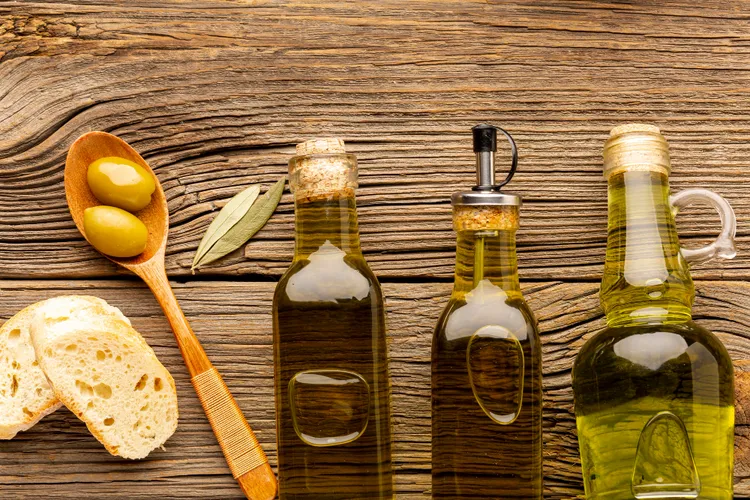
Olive oil flavor is shaped by three major forces: the variety of olive, the ripeness at harvest, and the geography and climate where it was grown. Add in processing methods, freshness, and storage, and you have a near-infinite range of possible flavors - from grassy and peppery to mild and buttery.
Why This Happens: The Simple Science
Olives Are Fruit - Treat Them That Way
Olives contain hundreds of natural chemical compounds that create flavor. The most important ones are polyphenols - plant-based antioxidants that produce bitterness, pepperiness, and that sharp throat-tickle you sometimes feel after swallowing a high-quality oil.
The younger and greener the olive at harvest, the higher the polyphenol content. That's why early-harvest oils taste bold, grassy, and almost spicy. Late-harvest oils - pressed from fully ripe, darker olives - are lower in polyphenols and taste smoother and more buttery.
The Olive Variety Makes an Enormous Difference
Just like wine grapes, olive varieties each have a distinct flavor personality:
- Picual (Spain) - robust, slightly bitter, long peppery finish
- Arbequina (Spain/California) - mild, fruity, almost almond-like
- Koroneiki (Greece) - grassy, intensely herbal, assertive
- Taggiasca (Italy/Liguria) - delicate, sweet, floral
- Frantoio (Tuscany) - complex, fresh-cut grass, medium bitterness
A single-variety oil will taste radically different from a blended oil that uses several varieties to achieve balance. Neither is better - they serve different purposes.
Geography and Climate Shape Flavor
Olive trees absorb the character of their environment - soil minerals, rainfall patterns, altitude, and sun exposure all influence the final flavor. This is what the French call terroir, and it applies to olive oil just as much as wine.
An olive grown on a sun-baked Sicilian hillside will produce a completely different oil from the same variety grown in a cooler California coastal valley. Same tree. Different flavor.
What Most People Get Wrong About Olive Oil
Mistake 1: Assuming "Extra Virgin" Means Premium Flavor
Extra virgin is a quality grade, not a flavor guarantee. It means the oil was cold-pressed without chemicals and meets specific acidity standards. But an extra virgin oil can still be bland, stale, or low in flavor compounds if the olives were over-ripe or poorly stored.
Mistake 2: Thinking Bitterness Means Bad Oil
This is the most common misconception. A bitter, peppery olive oil is almost always higher quality. That sharpness is the polyphenols - the same compounds that make olive oil one of the most antioxidant-rich foods on the planet. Chefs actively seek out oils with a strong peppery finish.
If your olive oil tastes like nothing, that's the real problem.
Mistake 3: Buying Oil Based on Color
Light gold, deep green, pale yellow - color is not a reliable indicator of quality or freshness. Color comes from chlorophyll content and can vary based on olive variety and harvest timing, not taste or nutritional value. Never judge an olive oil by its color.
Mistake 4: Ignoring the Harvest Date
Most bottles show a "best by" date, but the more useful number is the harvest date. Olive oil is best within 12-18 months of harvest. After that, the polyphenols degrade, the flavor flattens, and the oil can turn rancid. If you can't find a harvest date on the label, that's a red flag.
Practical Cooking Tips: Matching Oil to the Job
Not every olive oil belongs in every dish. Using the wrong one is like using a serrated bread knife to peel an apple - technically possible, but a waste of a good tool.
Use a bold, peppery, high-polyphenol oil for:
- Finishing dishes (drizzle over soup, pasta, grilled fish)
- Simple salads where the oil is a feature ingredient
- Dipping bread
- Bruschetta and crostini
Use a mild, buttery, fruity oil for:
- Baking (cakes, focaccia, quick breads)
- Delicate fish you don't want to overpower
- Dressings where you want the other flavors to lead
- Sautéing vegetables where a neutral base is preferred
Save your best bottle for raw applications. Heat diminishes the subtle flavors and destroys the polyphenols you paid for. For high-heat cooking, a mid-range olive oil works perfectly.
Professional chefs almost always keep at least two olive oils on hand: one workhorse oil for cooking (usually Spanish Arbequina or a mid-range Italian blend), and one finishing oil they treat like a condiment.
The finishing oil goes on after cooking - a few drops over a bowl of white beans, into a vinaigrette at the last moment, or drizzled across a piece of burrata just before serving. This is how restaurants get that "what is that flavor?" effect that seems impossible to replicate at home.
The trick isn't a secret technique. It's just using good, fresh, assertive olive oil as a flavor ingredient rather than just a cooking fat.
The peppery burn you feel at the back of your throat when you swallow a really good olive oil? That's caused by a compound called oleocanthal. Scientists discovered that oleocanthal works almost identically to ibuprofen as an anti-inflammatory in the body - so that throat tickle is essentially a tiny natural painkiller with every drizzle. The stronger the burn, the higher the oleocanthal content.
This is one reason the Mediterranean diet is linked so closely to reduced inflammation and heart health. It's not just that olive oil is "healthy in a general sense" - it contains a specific compound that mimics the action of anti-inflammatory drugs.
Taste Is Information
Olive oil's wild variability isn't a flaw - it's data. Every sip of flavor tells you what variety was used, when it was harvested, how fresh it is, and where it came from.
Once you understand that, you stop seeing variation as inconsistency and start using it as a tool. Reach for the peppery, aggressive bottle when you want flavor impact. Grab the mild, sweet one when the dish needs subtlety. Store it away from light and heat, use it within 18 months of harvest, and spend a little more on the bottle you'll use raw.
The best olive oil isn't necessarily the most expensive - it's the one that's fresh, appropriate for the dish, and used with intention.
Key Takeaways
- Olive oil is essentially fresh fruit juice - its flavor is shaped by variety, ripeness, climate, and processing.
- Bitterness and pepperiness are signs of quality, not flaws - they indicate high polyphenol content.
- Early-harvest oils are bolder and more complex; late-harvest oils are milder and buttery.
- Olive variety matters enormously - Arbequina (mild/fruity) and Koroneiki (grassy/assertive) taste nothing alike.
- Extra virgin is a quality grade, not a flavor guarantee - always check the harvest date, not just the "best by" date.
- Use bold oils as a finishing condiment and milder oils for baking or high-heat cooking.
- The peppery throat-burn in good olive oil comes from oleocanthal, a natural anti-inflammatory compound.
- Color is not a quality indicator - flavor and freshness are.
- Fresh olive oil is best within 12-18 months of harvest.
Latest