Christmas Pudding, Mince Pies and Festive Baking
The three make-ahead baking traditions that improve with time - and why each one is better made now than on Christmas Eve
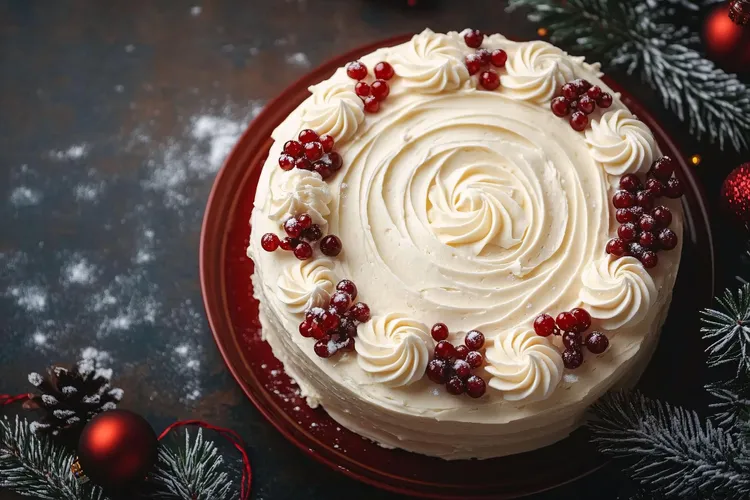
British Christmas baking has a specific character that distinguishes it from the rest of the year's baking: it is designed to be made ahead. Christmas pudding is traditionally made on Stir-up Sunday, the last Sunday before Advent - five to six weeks before Christmas - and improves dramatically with this waiting period as the alcohol preserves the fruit and the flavours integrate. Mince pies are better on day 2 or 3 than freshly baked. Christmas cake, properly stored and fed with alcohol over weeks, reaches its peak on Christmas Day.
This collection covers all three - with the full recipes and the reasoning behind each preparation.
Christmas Pudding
Make up to 8 weeks ahead. The earlier the better.
Christmas pudding is a steamed suet pudding dense with dried fruit, darkened with treacle, preserved with alcohol, and improved by time. It has been made in the British Isles in various forms since at least the 17th century, and the modern form - suet, dried fruit, eggs, treacle, flour, breadcrumbs - has been established for well over 150 years.
What makes it specifically Christmas is the combination of warming spices, the very dark colour from treacle and dark sugar, and the alcohol that both flavours and preserves the pudding through the weeks it sits before Christmas Day. A pudding made in November and eaten on Christmas Day has had six weeks of flavour development. A pudding made on Christmas Eve has had none.
Serves 8 | Active time: 30 minutes | Steaming: 6 hours | Re-steaming on Christmas Day: 2 hours
Ingredients
- 200g shredded beef suet (or vegetarian suet - the texture is marginally different but the flavour is very similar)
- 150g dark muscovado sugar
- 150g plain flour
- 150g fresh white breadcrumbs
- 200g sultanas
- 200g raisins
- 100g currants
- 50g glacé cherries, halved
- 50g mixed peel
- 50g blanched almonds, roughly chopped
- 3 large eggs, beaten
- 100ml dark stout or Guinness
- 3 tbsp brandy or dark rum (plus extra for feeding)
- 2 tbsp black treacle
- Zest of 1 lemon and 1 orange
- 1 tsp mixed spice
- 1 tsp ground cinnamon
- ½ tsp ground nutmeg
- Pinch of salt
Method
Day before (optional but recommended): Combine all the dried fruit and peel in a large bowl. Add the brandy, stout, and citrus zests. Stir. Cover. Leave overnight - the fruit absorbs the liquid.
Making the pudding: Combine the suet, muscovado sugar, flour, breadcrumbs, spices, salt, and almonds in a large bowl. Add the soaked fruit (with all its liquid). Add the beaten eggs and treacle. Mix thoroughly - the mixture will be very dense and dark.
Grease a 1.2-litre pudding basin generously with butter. Cut a circle of parchment to fit the base. Line the base.
Fill the basin to within 2cm of the rim.
Cover: Cut a circle of parchment slightly larger than the basin rim. Cut a circle of foil slightly larger again. Lay the parchment on the foil. Fold a pleat across the middle of both (to allow for expansion during steaming). Place over the pudding, parchment side down. Secure firmly with kitchen string tied under the basin's rim. Create a string handle across the top.
Steam for 6 hours: Place the basin in a large saucepan. Add boiling water to come halfway up the sides of the basin. Cover the saucepan with a lid. Steam at a very gentle simmer for 6 hours, checking the water level every hour and topping up as needed.
Cool completely. Replace the parchment and foil with fresh pieces. Store in a cool, dark place.
Feeding the pudding: Once a week until Christmas, remove the covering, prick the surface all over with a skewer, and pour 1-2 tbsp of brandy or rum over the surface. Re-cover. The alcohol feeds the pudding and keeps it moist.
On Christmas Day - reheat: Return the basin to the saucepan of boiling water. Steam for 2 hours.
Flame the pudding: At the table, warm 2-3 tbsp of brandy in a small saucepan or ladle. Pour over the unmoulded pudding. Light immediately with a long match. The blue flame burns off the alcohol while the drama is preserved for the table.
Serve with brandy butter, clotted cream, or brandy sauce.
Mince Pies
Make the mincemeat up to 6 weeks ahead. Make the pastry cases up to 2 weeks ahead (blind bake and freeze). Fill and bake on demand throughout December.
Mince pies are the Christmas bake that should always be available - for guests who arrive unexpectedly, for the afternoon break from present-opening, for the festive period's general need for small, warm, fragrant bites. Making them in large batches (the recipe below makes 24) and keeping the unfilled pastry cases in the freezer allows a fresh batch of 12 to be on the table within 20 minutes at any point.
The Mincemeat
Makes enough for 24+ mince pies | Make up to 6 weeks ahead.
Ingredients:
- 150g Bramley apples, peeled, cored, and finely diced
- 100g shredded suet (beef or vegetarian)
- 100g soft dark brown sugar
- 100g sultanas
- 100g raisins
- 75g currants
- 50g mixed peel
- 50g glacé cherries, finely chopped
- Zest and juice of 1 lemon
- Zest and juice of 1 orange
- 1 tsp mixed spice
- ½ tsp ground cinnamon
- ¼ tsp ground nutmeg
- 3 tbsp brandy or dark rum
Method: Combine all ingredients except the brandy in a large bowl. Stir thoroughly. Leave covered overnight - the apple and dried fruit absorb the liquid and the flavours begin to meld. The next day, add the brandy. Stir again. Pack into sterilised jars. Seal. Store in a cool, dark place for up to 6 weeks.
The Pastry Cases
Use rough puff pastry for a more layered, flaky result, or shortcrust for the traditional version.
For rough puff pastry, see Rough Puff Pastry in the Baking collection. For shortcrust, see Shortcrust Pastry.
For 24 mince pies: Roll the pastry to 3mm thickness. Cut 24 circles for the bases (approximately 8cm diameter) and 24 circles for the lids (6cm) or star/snowflake shapes. Line a 12-hole muffin tin. Blind bake the bases at 190°C for 8 minutes with baking beans. Cool. Freeze (still in the tin or removed and stacked in a sealed bag).
Filling and Baking
Remove frozen pastry cases from the freezer. Fill each case with approximately 1 heaped teaspoon of mincemeat. Do not overfill - the mincemeat expands during baking.
Brush the edges with beaten egg or milk. Place the pastry lid or star on top. Brush the top with egg. Make a small steam hole if using a solid lid.
Bake at 190°C for 15-18 minutes until golden. Dust with icing sugar while warm.
Christmas Cake
Make up to 12 weeks ahead. Feed weekly with brandy.
The Christmas cake is the most demanding and most rewarding of the three - a very dense, rich fruitcake that keeps for months, improves over weeks, and is traditionally covered with marzipan and royal icing, decorated and presented as the Christmas table's centrepiece.
Makes 1 × 20cm round cake | Active time: 45 minutes | Baking: 2.5-3 hours
Ingredients
- 250g unsalted butter, at room temperature
- 250g dark muscovado sugar
- 4 large eggs
- 250g plain flour
- 2 tsp mixed spice
- 1 tsp ground cinnamon
- 1 tsp ground ginger
- 2 tbsp black treacle
- 500g mixed dried fruit (sultanas, raisins, currants, mixed peel)
- 100g glacé cherries, halved
- 100g dried cranberries or sour cherries
- 75g blanched almonds, roughly chopped
- Zest of 1 lemon and 1 orange
- 3 tbsp brandy
Method
Soak the fruit: The night before baking, combine all dried fruit, glacé cherries, almonds, and citrus zests with the brandy. Stir. Cover. Leave overnight.
Bake: Preheat oven to 140°C (fan). Grease and double-line a 20cm round cake tin with parchment (the long baking time requires double lining).
Beat butter and sugar until very pale and fluffy (8 minutes). Add eggs one at a time. Add the treacle.
Fold in the flour and spices. Fold in the soaked fruit mixture and all its liquid.
Spoon into the prepared tin. Level the top. Place a disc of parchment on the surface. Tie a double layer of brown paper or newspaper around the outside of the tin to prevent the exterior burning.
Bake for 2 hours 30 minutes - 3 hours until a skewer comes out clean. Cool completely in the tin.
Store and feed: Once cool, remove from the tin. Keep the parchment wrapping. Wrap in foil. Store in a cool, dry place. Feed weekly: prick with a skewer, pour over 2 tbsp of brandy. Re-wrap.
Marzipan: 2-3 days before Christmas, cover with a layer of marzipan (brush with apricot jam first). Allow to dry 24 hours.
Royal icing: The day before Christmas, cover with royal icing. Decorate as preferred.
Pro Tips
- The suet question. Beef suet produces a richer, deeper flavour in both Christmas pudding and mincemeat. Vegetarian suet produces a slightly milder result but is otherwise functionally identical. Use whichever suits your household.
- Don't skip the overnight fruit soaking. The fruit absorbs the brandy and citrus more effectively overnight than it does in a few hours. The resulting pudding and mince pies have more complex, integrated flavour.
- Make the mincemeat in October. It genuinely improves over 4-6 weeks - the dried fruit softens completely, the brandy integrates, and the spice mellows. December mincemeat is good; October mincemeat is better.
- Freeze the unfilled pastry cases. This converts mince pies from a project into a 20-minute task - fill from frozen, bake, serve. The ability to produce fresh mince pies at any point in December from a stock in the freezer is one of the most practically useful things in this collection.
🔗 Complete the Christmas Baking
Latest