One-Pot Pasta: The Method That Actually Works (Not Just a Trend)
The water ratio that produces pasta and sauce simultaneously - and why most one-pot pasta recipes fail
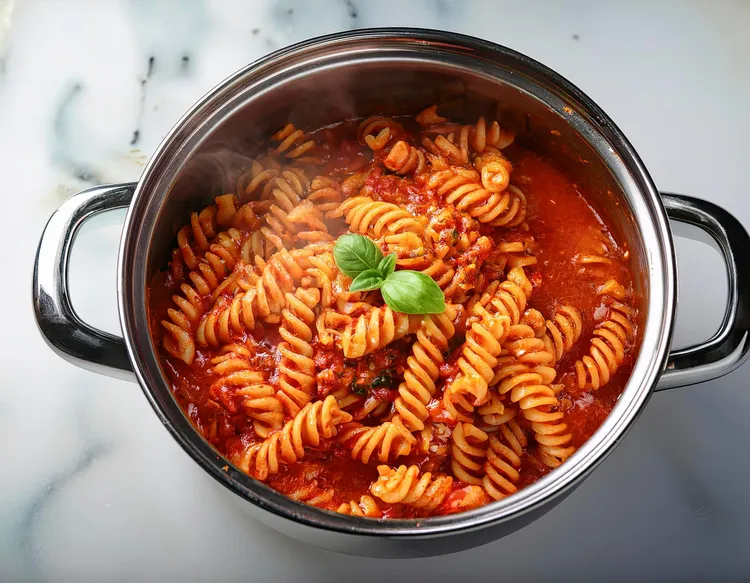
One-pot pasta went viral. Millions of views on social media, hundreds of recipes on food sites, the promise of pasta and sauce from a single pot with no draining required. And then, for most people who tried it, a disappointment: gummy pasta, too much water, not enough flavor, a result that looked nothing like the glossy, beautifully sauced pasta in the video.
The problem is not the concept. The concept is sound - cooking pasta in a small, measured amount of liquid means the starch released from the pasta thickens the liquid into a sauce rather than draining away down the sink. The problem is the execution. Specifically, the water ratio. And the stir frequency. And the heat management. Get all three right and one-pot pasta is genuinely excellent - silky, well-seasoned, effortless. Get them wrong and it is exactly the gummy disappointment most people experienced.
This guide fixes the execution. The science behind the method, the exact water ratio that works, and three complete recipes that demonstrate what one-pot pasta can be when the technique is correct.
Why It Works (and Why It Often Doesn't)
When pasta cooks in a large pot of boiling water (the standard method), the starch released from the pasta dissolves into a large volume of water and is poured down the drain with the cooking water. This is waste - the starchy cooking water is actually one of the most valuable elements of pasta cookery, used by Italian cooks to adjust sauce consistency.
In one-pot pasta, this starch has nowhere to go. The pasta cooks in a small, measured amount of liquid, and the starch released from the pasta's surface dissolves into that liquid, thickening it progressively as the cooking proceeds. By the time the pasta is cooked, the liquid has absorbed into the pasta and thickened into a silky, starchy sauce.
The three variables that determine success:
1. The water ratio. This is the most critical variable. Too much water and the pasta cooks in excess liquid that doesn't thicken into sauce - it just evaporates, leaving over-cooked pasta with no sauce. Too little water and the pasta runs out of cooking liquid before it is cooked through. The correct ratio: approximately 350ml of water per 100g of dried pasta. This produces pasta that absorbs most of its cooking liquid just as it reaches al dente, leaving a small amount of starchy, sauce-like residue.
2. The stir frequency. Unlike regular boiling pasta, one-pot pasta benefits from frequent stirring - every 60-90 seconds throughout cooking. Stirring keeps the pasta from sticking to the pot base, distributes heat evenly, and keeps the starch in suspension rather than allowing it to settle and burn.
3. The heat. Maintain a steady simmer, not a rolling boil. A rolling boil causes rapid evaporation that throws off the water ratio. A gentle, consistent simmer allows the pasta to cook through at the same rate the liquid reduces.
The Base Recipe
Serves 4 | Active time: 5 minutes | Total time: 20 minutes
Ingredients
- 300g dried pasta - linguine, spaghetti, or penne. Long pasta (linguine, spaghetti) produces a silkier sauce because the strands release starch more evenly. Short pasta (penne, rigatoni) works but produces slightly less cohesive sauce.
- 1 litre cold water (or stock for more depth) - starting with cold water gives the starch time to dissolve gradually as the water heats
- 1 tsp fine sea salt
- 2 tbsp olive oil
From here, the three complete recipes below each add their own flavour components.
Recipe 1: Tomato and Basil (Classic)
The most accessible version - the flavours everyone knows, delivered through a method that produces a silkier, more coherent sauce than the conventional cook-pasta-make-sauce approach.
Additional Ingredients
- 400g tinned whole tomatoes, crushed by hand
- 4 cloves garlic, thinly sliced
- 1 tsp chili flakes
- 1 tsp dried oregano
- 2 tbsp extra virgin olive oil
- Large handful fresh basil
- Parmesan, for serving
Method
Combine pasta, water (800ml - replace 200ml of the water with the tomatoes and their juice), sliced garlic, chili flakes, oregano, salt, and 2 tbsp olive oil in a large, wide saucepan or deep skillet. The pasta should be mostly submerged - if not, break long pasta in half to fit (this is one recipe where breaking spaghetti is acceptable).
Bring to a boil over high heat, stirring frequently. Once boiling, reduce to a steady simmer and cook, stirring every 60-90 seconds, for 9-12 minutes (check the packet timing - this varies by pasta brand and shape).
The pasta is ready when it is al dente and most of the liquid has been absorbed into a glossy, slightly thick sauce coating every strand. The sauce should look fluid but not watery - it will thicken further off the heat.
Remove from heat. Add fresh basil, a drizzle of extra virgin olive oil, and taste for seasoning. Serve immediately with grated Parmesan.
Recipe 2: Cacio e Pepe Style (The Technique Test)
Cacio e Pepe - pasta, cheese, black pepper, almost nothing else - is one of the most technically demanding pasta dishes in the Italian canon when made the traditional way (emulsifying the cheese into the pasta water without cream). The one-pot version simplifies the technique while preserving the essential character: the pasta itself provides the starchy water that makes the cheese sauce work.
Additional Ingredients (serves 4)
- 100g Pecorino Romano, very finely grated (microplane is ideal - it dissolves faster than coarsely grated)
- 50g Parmesan, very finely grated
- 2 tsp coarsely ground black pepper - toast the pepper in a dry pan for 60 seconds before grinding for a more aromatic result
- 1 tbsp olive oil
Method
Cook the pasta in water with salt and olive oil as the base recipe, stirring frequently. In the final 2 minutes of cooking, reserve 100ml of the starchy cooking liquid in a small bowl before it fully absorbs.
Remove the pasta from heat. Allow to rest for 30 seconds (reducing the temperature slightly prevents the cheese from clumping). Add half the grated cheese and stir vigorously - the cheese melts into the starchy pasta water and coats every strand. Add the remaining cheese and continue stirring. If the sauce is too thick, add the reserved starchy water a tablespoon at a time.
Add the toasted black pepper and toss to combine. The sauce should be glossy, coating every strand, with visible black pepper throughout. Serve immediately - cacio e pepe waits for no one.
The cheese clumping problem: If the cheese clumps rather than melting into a sauce, the pasta was too hot when the cheese was added. The starch-to-water ratio in the sauce needs to be right - this is why reserving some cooking liquid is important, and why the 30-second rest before adding cheese matters.
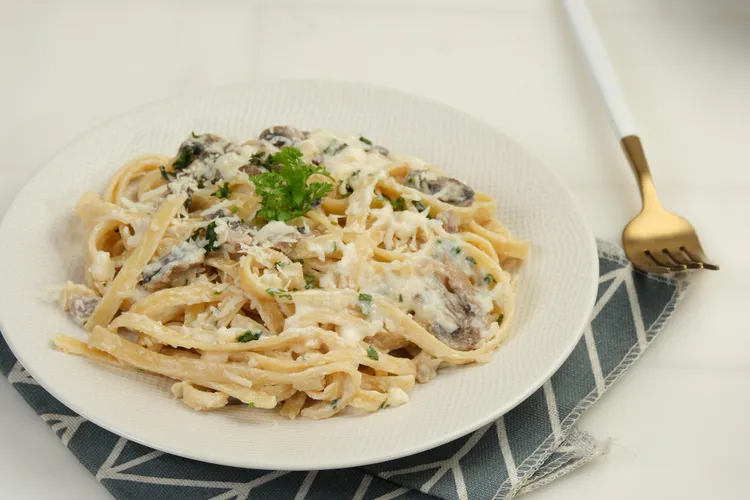
Recipe 3: Mushroom and Spinach (Vegan)
The vegan version that doesn't feel like a compromise - the earthiness of mushrooms and the starchiness of the pasta water produce a rich, coating sauce without any cream or cheese.
Additional Ingredients (serves 4)
- 300g chestnut mushrooms, thinly sliced
- 150g baby spinach
- 4 cloves garlic, minced
- 1 shallot, finely diced
- 150ml dry white wine (or an extra 150ml stock)
- 2 tbsp nutritional yeast - adds a savoury, cheese-like depth without dairy
- 1 tbsp soy sauce
- 2 tbsp extra virgin olive oil
- Fresh thyme
Method
Step 1: In the pot before adding the pasta, sauté the shallot in 2 tbsp olive oil over medium-high heat for 3 minutes until softened. Add garlic and thyme, cook 1 minute. Add mushrooms and cook over high heat for 4-5 minutes until golden - don't stir too frequently, let them colour.
Step 2: Add the white wine and let it reduce for 2 minutes.
Step 3: Add the pasta, water (850ml to account for the reduced wine), soy sauce, and salt. Bring to a boil, reduce to a simmer, and cook stirring frequently for 9-12 minutes.
Step 4: In the final minute, add the spinach and stir through - it wilts in 60 seconds. Remove from heat, add nutritional yeast and a final drizzle of olive oil. Taste and adjust seasoning.
Troubleshooting
The pasta is cooked but the sauce is too watery. The heat was too high - rapid boiling caused faster evaporation than absorption. Next time, maintain a gentle simmer rather than a rolling boil, and reduce the water by 50ml per 100g of pasta.
The pasta is gummy and clumped. The pasta was not stirred frequently enough. In one-pot pasta, the strands stick to each other (and to the pot base) if left undisturbed. Stir every 60-90 seconds without exception.
The sauce is too thick and the pasta seems dry. The water evaporated faster than the pasta absorbed it. Add 50-100ml of boiling water to the pot and stir vigorously to rehydrate the sauce.
The pasta is al dente but there is still a lot of liquid. The heat was too low, producing slow evaporation. Increase the heat slightly and cook for an additional 2-3 minutes, stirring constantly, until the liquid reduces to the correct saucy consistency.
Pro Tips
- Wide, shallow pans produce better results than tall, narrow pots. A wide surface area promotes evaporation at the right rate, ensures the pasta is in a shallow layer (more even cooking), and makes stirring easier. A 30cm wide sauté pan or deep skillet is ideal.
- Start with cold water. Beginning with cold water allows the starch to dissolve gradually as the water heats, producing a more even sauce. Hot water added to dry pasta causes the surface starch to gelatinise unevenly.
- Salt generously. In regular pasta cookery, the salted water is largely discarded. In one-pot pasta, all the water stays in the dish - so seasoning must be calibrated for the finished amount, not the Italian tradition of generously salted pasta water.
- Finish off the heat. Removing the pot from the heat for the final additions (cheese, fresh herbs, finishing oil) prevents overcooking and allows the residual heat to melt and integrate the last ingredients gently.
Common Mistake: Using Too Much Water This is the single most common reason one-pot pasta fails. The viral recipe videos often show pasta swimming in water - the visual looks dramatic but produces watery, under-sauced pasta. Measure precisely: 350ml per 100g of pasta. No more. This is the ratio that produces pasta cooked to al dente at exactly the moment the water has reduced to a sauce. Eyeballing it produces inconsistent results every time.
FAQ
Q: Does one-pot pasta work with all pasta shapes?
Long pasta (linguine, spaghetti, tagliatelle) produces the silkiest sauce because the long strands release starch very evenly. Short pasta (penne, rigatoni, fusilli) works but the sauce is slightly less cohesive. Very small pasta (orzo, conchigliette) works excellently - see the One-Pan Orzo recipe. Fresh pasta does not work - it cooks too fast and releases too much starch too quickly.
Q: Can I add protein to one-pot pasta?
Yes, with sequencing. Sear protein separately (chicken, prawns, sausage) and set aside. Build the pasta in the pot. Add the cooked protein in the final 2 minutes. This avoids the protein overcooking during the pasta's 10-12 minute cook time.
Q: Is one-pot pasta actually faster than the traditional method?
Slightly - it eliminates the large pot of water coming to a boil (which can take 10 minutes). The pasta cook time is similar. The real advantage is simplicity rather than pure speed: one pot, no draining, no separate sauce, minimal washing up.
🔗 Continue Cooking
Latest