One-Pan Sausage and Roasted Vegetables: The Ultimate Sheet Pan Dinner
The most forgiving one-pan recipe in the collection - and the template for improvising from whatever is in the fridge
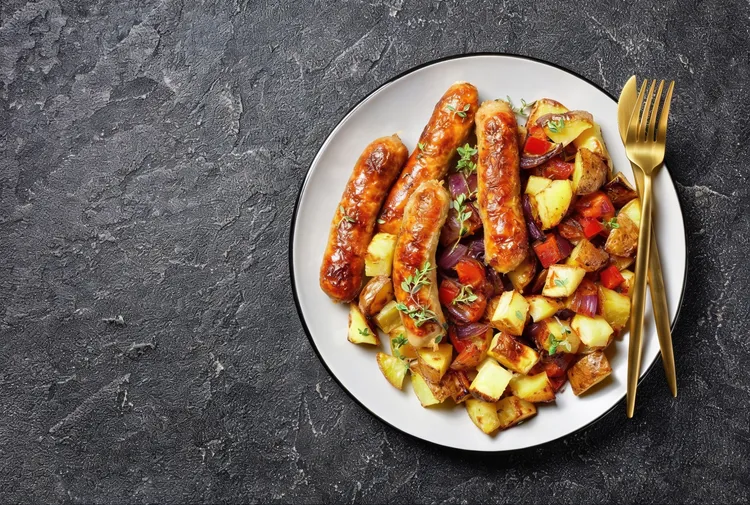
Every cook needs a dinner that works regardless of what is in the fridge. Not a recipe that requires a specific cut, a specific vegetable, a specific combination. A template - a set of principles that works with whatever you have, producing consistently excellent results because the technique is reliable rather than because the ingredients are precise.
Sheet pan sausage and vegetables is that template. Sausages - any variety, any seasoning, any size - are among the most forgiving one-pan proteins available. They come pre-seasoned. They release their own fat as they cook, which bastes the surrounding vegetables in flavoured cooking fat. They are almost impossible to overcook. And they require no preparation beyond removing from their packet.
The vegetables change with the season. The sausages change with what is available. The technique - high heat, appropriate spacing, staggered additions - stays constant. And the result is always the same: deeply caramelised vegetables, golden-skinned sausages, and a pan that looks impressive enough that no one suspects how little effort it required.
Why Sausages Are the Ideal Sheet Pan Protein
Three properties make sausages exceptionally well-suited to sheet pan cooking:
They are self-basting. As sausage skins crisp in the oven heat, the fat inside renders and seeps through the casing, basting the sausage continuously. This fat also runs onto the vegetables, adding flavour. No additional fat is needed for the sausages themselves - they provide their own.
They are pre-seasoned. A good sausage already contains salt, pepper, herbs, and spices. This means the flavour of the dish comes partly from the sausage's own seasoning distribution through the rendered fat - the vegetables cook in sausage-flavoured fat, not just plain cooking oil.
They are forgiving. Unlike chicken breast (which overcooks rapidly) or fish (which needs precise timing), sausages remain juicy and good across a wide range of internal temperatures. A sausage that has been in the oven for 35 minutes rather than the ideal 30 is still excellent. This tolerance for imprecision is the defining quality that makes this the perfect template for busy evenings.
The Template
The formula applies to any combination:
- Any sausage + any dense root vegetable + any softer vegetable + simple seasoning = a complete dinner
The only variables that matter: the timing sequence (denser vegetables go in before softer ones), the spacing (everything in a single layer with space between pieces), and the temperature (200–220°C - no lower).
Ingredients
Serves 4 | Active time: 10 minutes | Total time: 40-45 minutes
The Sausages (choose one)
- 8 pork sausages (good-quality butcher's sausages, 80-100g each) - the classic
- 8 Italian-style sausages (fennel, garlic, chili) - for a more aromatic, Mediterranean character
- 6-8 merguez sausages (North African lamb, harissa-spiced) - the most flavourful, produces the best vegetables from the spiced fat
- 8 chicken sausages - leaner, less fat rendered, compensate with an extra tbsp of olive oil for the vegetables
- 8 plant-based sausages - most work well; the more fat they contain, the better they roast. A light drizzle of olive oil over the sausages helps.
The Vegetables (see seasonal combinations below)
Standard combination:
- 500g baby potatoes (or small waxy potatoes, halved) - parboiled 8 minutes
- 2 red onions, cut into wedges (kept intact at the root)
- 300g cherry tomatoes (or 2 peppers, roughly chopped)
- 4 cloves garlic, unpeeled
The Seasoning
- 2 tbsp olive oil
- 1 tsp dried oregano (or rosemary, or thyme - match the herb to the sausage)
- 1 tsp smoked paprika
- Salt and black pepper
To Finish
- 1 tbsp balsamic vinegar - drizzled over the pan in the last 5 minutes, it reduces to a glaze on the vegetables
- Fresh herbs: parsley, basil, or rocket scattered over the finished pan
- Dijon mustard alongside for serving
Method
Step 1: Parboil the potatoes (8 minutes)
Cook the halved potatoes in boiling salted water for 8 minutes until barely tender. Drain and steam-dry for 2 minutes. Rough up the cut surfaces with the back of a fork - the rough edges brown and crisp more effectively than smooth ones.
Step 2: Preheat the oven and pan
Preheat to 210°C (fan). Place the sheet pan in the oven while it preheats - the preheated surface produces immediate browning on the underside of the vegetables and sausages.
Step 3: Arrange and roast
Toss the parboiled potatoes, onion wedges, and garlic cloves with olive oil, oregano, paprika, salt, and pepper in a large bowl. Spread on the preheated pan in a single layer with space between pieces.
Place the sausages on top of or alongside the vegetables - they will release fat during cooking that bastes everything beneath them. Do not bury the sausages in the vegetables; they need airflow around them to brown the skin evenly.
Roast for 20 minutes.
Step 4: Add the softer vegetables and finish
After 20 minutes, add the cherry tomatoes (or peppers) to the pan, tucking them around the sausages and potatoes. Drizzle the balsamic vinegar over the whole pan.
Return to the oven for 15-20 minutes until:
- Sausage skins are deeply golden and slightly split at the edges
- Potatoes are golden and crispy at the edges
- Onion wedges are caramelised and slightly charred at the tips
- Tomatoes have burst and collapsed
- Garlic cloves are soft and spreadable inside their skins
Step 5: Finish and serve
Remove from the oven. Scatter fresh herbs over the pan. Squeeze the roasted garlic from its skins directly over the dish. Serve from the pan with mustard alongside.
Four Seasonal Combinations
Autumn: Apple, Red Onion, and Sage
Sausage: Good-quality pork sausages
Vegetables: 400g parsnips (cut into batons, parboiled 5 minutes), 2 red onions (wedges), 2 eating apples (cored and cut into wedges - added in the final 15 minutes, they caramelise beautifully without dissolving)
Seasoning: Olive oil, dried sage, a grating of nutmeg, salt, pepper
Finish: 1 tbsp wholegrain mustard stirred into the pan juices, drizzled back over the dish. Fresh sage leaves fried crispy in olive oil as a garnish.
Character: Sweet from the apple and parsnip, herbal from the sage, deeply autumnal. One of the best combinations in the collection.
Winter: Root Vegetable and Rosemary
Sausage: Italian fennel sausages
Vegetables: 300g carrots (batons), 300g parsnips (batons), 200g beetroot (2cm cubes, roast separately or add 15 minutes before everything else - it bleeds vigorously), 1 head of garlic (whole cloves, unpeeled)
Seasoning: Olive oil, 3 sprigs fresh rosemary, 1 tsp fennel seeds, salt, pepper
Finish: A drizzle of honey in the final 10 minutes for caramelisation. Fresh thyme.
Character: Earthy, sweet, aromatic. A pan that fills the kitchen with the smell of rosemary and roasting root vegetables - the ideal winter dinner.
Spring: New Potato, Asparagus, and Mustard
Sausage: Chicken sausages or light pork sausages
Vegetables: 400g new potatoes (halved, parboiled), 200g asparagus spears (added in the final 10 minutes - they cook fast), 1 lemon (sliced into rounds, roasted alongside the vegetables)
Seasoning: Olive oil, 1 tbsp dijon mustard stirred into the oil before tossing, fresh thyme, salt, pepper
Finish: Fresh parsley, squeeze of the roasted lemon over everything, a drizzle of good olive oil.
Character: The lightest version - bright, lemony, with the clean spring freshness of asparagus. The roasted lemon rounds and their caramelised juice are the defining element.
Summer: Courgette, Pepper, and Tomato (Ratatouille Style)
Sausage: Merguez or Italian sausages
Vegetables: 2 courgettes (thick rounds), 2 peppers (chunks), 300g cherry tomatoes, 1 red onion (wedges) - all added simultaneously (they all cook in approximately the same time)
Seasoning: Olive oil, dried herbes de Provence, garlic, salt, pepper
Finish: Fresh basil scattered generously, drizzle of olive oil, optional: crumbled ricotta or torn mozzarella added for the last 3 minutes to melt slightly.
Character: Bright, summery, Mediterranean. The courgette and pepper caramelise at the edges; the tomatoes burst into a light sauce. Serve with crusty bread to mop up the juices.
Sausage Varieties Worth Knowing
The sausage you choose changes the entire character of the dish - because the rendered fat flavours everything.
| Sausage | Fat Character | Best Vegetable Pairing |
|---|---|---|
| British pork | Neutral, sweet | Root vegetables, apple |
| Italian fennel | Anise-forward | Peppers, tomatoes, courgette |
| Merguez (lamb/beef) | Spiced, rich | Aubergine, peppers, chickpeas |
| Chorizo (cooking) | Smoky, paprika-rich | Potatoes, peppers, onions |
| Chicken | Lean, mild | New potatoes, asparagus, leeks |
| Nduja (spreadable) | Very rich, very spicy | Used as a seasoning more than a sausage |
| Vegetarian/vegan | Varies widely | Most work; add extra olive oil |
The Meal-Prep Version
Sheet pan sausage and vegetables is an excellent meal-prep dish. The cooked components keep well and reheat cleanly.
Prep ahead: Parboil potatoes and prep all vegetables up to 24 hours ahead. Store covered in the fridge. The actual roasting still needs to happen freshly - the vegetables from meal prep go straight from the fridge to the hot pan (add 5 minutes to the initial roasting time).
Storage: Leftovers keep for 3 days refrigerated. Reheat in a 180°C oven for 10 minutes or in a dry pan over medium heat. Do not microwave - the sausage texture degrades.
Reinventing leftovers: Leftover sausage and vegetables make excellent additions to: a frittata (eggs poured over the leftovers and baked), a pasta sauce (chop everything, toss with cooked pasta and a splash of pasta water), a soup (dice everything and add to stock with tinned tomatoes), or breakfast hash (fry in a pan with eggs broken in).
Pro Tips
- Prick the sausages once before roasting. A single prick at one end releases pressure that would otherwise cause the skin to burst unevenly. Burst sausages lose fat rapidly into the pan rather than rendering slowly, producing drier sausages and an overly greasy pan. One prick - not multiple holes.
- Turn the sausages once halfway through. Unlike most vegetables (which benefit from being undisturbed), sausages need one turn at the midway point to brown evenly on all sides.
- The balsamic vinegar is the secret. Added in the final 5-10 minutes, it reduces to a sticky glaze over the vegetables and produces the kind of caramelised, tangy finish that makes the dish look and taste like it came from a restaurant. A teaspoon of honey achieves a similar effect with more sweetness and less acidity.
- Keep the garlic unpeeled. Unpeeled garlic cloves roasted in their skin become sweet and spreadable - each clove can be squeezed directly onto bread, vegetables, or sausages. Peeled garlic cloves at this temperature and duration burn.
Common Mistake: Roasting Sausages and Vegetables at Too Low a Temperature Sheet pan sausage and vegetables roasted at 180°C or below produces pale sausages with unrendered fat and pale, slightly steamed vegetables. The sausage skin needs 200°C+ to become golden and crispy; the vegetables need that same heat for caramelisation. 210°C (fan) is the correct temperature. At this heat, everything browns correctly in 35-40 minutes without burning.
FAQ
Q: Do I need to prick sausages before roasting?
Once, at one end - a single small hole. This prevents uneven skin bursting. Do not prick multiple times, which causes the sausage to lose too much fat during cooking, producing drier sausages. The goal is one controlled release point rather than multiple ruptures.
Q: Can I mix vegetables that have very different cooking times on the same pan?
Yes, with staggered additions - the same principle as the One-Pan Formula. Dense vegetables (parsnips, potatoes) go in first. Softer vegetables (tomatoes, asparagus) go in later. The timing chart in the Formula Guide applies directly to this recipe.
Q: My pan is too small for everything. What should I do?
Use two pans. Two half-full pans on two oven shelves (rotating at the halfway point) produce excellent results. One overcrowded pan produces steamed, pale food. Swap the pans' shelf positions halfway through cooking to account for the upper shelf being slightly hotter.
Q: Can I use frozen vegetables?
Most frozen vegetables release too much water during roasting and steam rather than roast. The exception: frozen corn on the cob (halved) added in the final 20 minutes roasts well and is excellent with sausages. For other vegetables, fresh or properly thawed (and thoroughly dried) is strongly preferred.
🔗 Continue Cooking
Latest