Flatbreads From Five Traditions
Five breads, five techniques, five completely different results - the guide to the world's most universal bread category
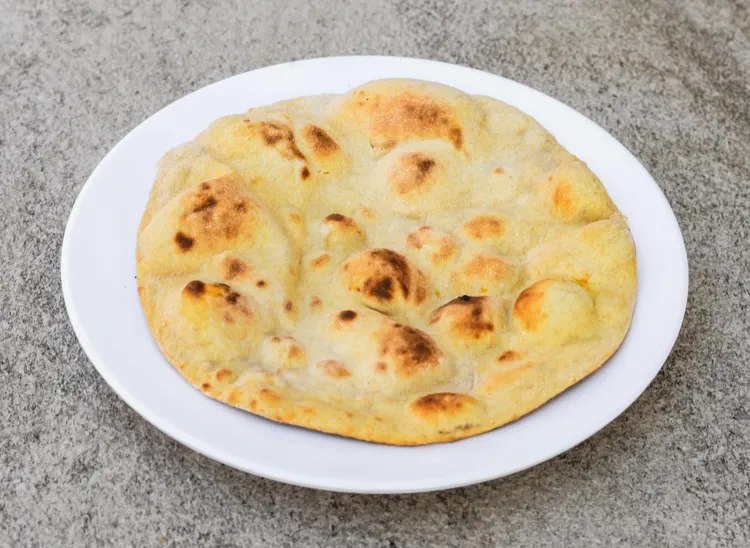
Every culture that has baked bread has produced a flatbread. Before ovens, before leavening, before organised milling - people were cooking grain paste on hot stones over fire. The flatbread is the oldest baked good in any culinary tradition, and the range of forms it takes across cultures is remarkable: yeasted and unleavened, wheat and chickpea, dry and tender, charred and soft.
This post covers five flatbreads that are genuinely distinct from each other - not five variations on a theme, but five different techniques producing five different results, each deeply embedded in its culture and each excellent on its own terms.
The five: Naan (yeasted, Indian, baked in the intense heat of a tandoor - approximated at home in a very hot cast iron pan); pita (yeasted, Middle Eastern, with the steam pocket that is the key technique); flour tortilla (unleavened, Mexican, where lard or shortening produces the specific texture); chapati (wholemeal, unleavened, Indian, the simplest of the five); and socca (chickpea flour, gluten-free, Provençal, the wildcard that is unlike anything made from wheat).
The Five Flatbreads at a Glance
| Bread | Leavening | Flour | Characteristic |
|---|---|---|---|
| Naan | Yeast + yogurt | Strong white | Charred, bubbly, tear-and-dip |
| Pita | Yeast | Plain white | Steam pocket, stuffable |
| Flour tortilla | None | Plain white + fat | Supple, layered, wrap-friendly |
| Chapati | None | Wholemeal | Light, dry, stack-worthy |
| Socca | None (chickpea) | Chickpea flour | Crispy edges, creamy centre, GF |
Flatbread 1: Naan
What Makes Naan Distinct
Naan is yeasted, enriched with yogurt, and cooked at very high heat - traditionally in a tandoor (a clay oven that reaches 480°C+). The yogurt's acidity produces a specific tenderness in the gluten and a slight tang in the flavour. The intense heat produces the characteristic charred bubbles and chewy texture that make naan one of the most satisfying breads in any cuisine.
The domestic approximation uses a cast iron pan preheated until smoking - the highest heat available in a home kitchen. It won't produce exact tandoor results, but at 220°C+ the surface temperature of a preheated cast iron pan produces excellent charring.
Ingredients (Makes 6 naans)
- 300g strong white bread flour
- 7g instant dried yeast
- 1 tsp caster sugar
- 150ml lukewarm water
- 80g plain full-fat yogurt - the acid tenderises the gluten; full fat for flavour
- 1 tbsp neutral oil
- ½ tsp fine sea salt
Garlic butter finish (essential):
- 60g unsalted butter, melted
- 3 cloves garlic, finely minced
- 2 tbsp fresh coriander, chopped
- Pinch of salt
Method
Make the dough: Combine flour, yeast, sugar, and salt in a bowl. Make a well. Add lukewarm water, yogurt, and oil. Mix until a dough forms. Knead for 7-8 minutes until smooth and elastic. The dough should be soft and slightly sticky - softer than bread dough, more extensible.
Prove: Cover and leave at room temperature for 1 hour until doubled.
Shape: Divide into 6 equal pieces. On a lightly floured surface, roll each into an oval approximately 20cm long and 3-4mm thick. Naan is traditionally teardrop-shaped - pull one end slightly as you roll.
Cook: Heat a cast iron pan over the highest possible heat until smoking - 10 minutes of preheating minimum. The pan must be hot enough that a drop of water vaporises instantly.
Place a naan in the dry pan (no oil). It will bubble and puff within 30 seconds. Cook 1.5-2 minutes on the first side until the underside has dark charred spots and the surface is bubbly. Flip and cook 1 minute on the second side.
Immediately brush the hot naan with the garlic butter mixture. Stack them wrapped in a clean cloth as they come off the pan - the steam keeps them soft.
The broiler/grill method: Alternatively, after the cast iron cook, finish under a very hot grill for 60 seconds to char the surface further.
Serve with: Dal, curry, any South Asian preparation. Excellent as a standalone with the garlic butter - it needs nothing else.
Flatbread 2: Pita
What Makes Pita Distinct
Pita is the flatbread with a pocket. The pocket is produced by a specific technique: rolling the dough very thin and baking it in a very hot oven (250°C+). The intense heat causes the water in the thin dough to convert to steam rapidly - and because the dough is too thin for the steam to escape gradually, it forces the top and bottom layers apart, inflating the pita into a balloon. When cooled, the pocket remains, creating the hollow interior that makes pita stuffable.
Understanding this mechanism makes the technique clear: thin rolling and high heat are not just preferences - they are the specific conditions that produce the pocket.
Ingredients (Makes 8 pitas)
- 400g plain flour (or 300g plain + 100g wholemeal for a more traditional result)
- 7g instant dried yeast
- 1 tsp caster sugar
- 1 tsp fine sea salt
- 250ml lukewarm water
- 2 tbsp olive oil
Method
Make the dough: Combine dry ingredients in a bowl. Add water and oil. Mix, then knead for 8 minutes until smooth and elastic.
Prove: Cover and prove at room temperature for 1 hour until doubled.
Prepare oven: Preheat to 250°C (or the highest your oven will go) with a heavy baking sheet or baking stone inside. The baking surface must be very hot - this is the key to pita puffing correctly.
Shape: Divide the dough into 8 equal pieces. Roll each into a round approximately 20cm in diameter and 3mm thick. This specific thickness is critical: too thick and the pita won't puff fully; too thin and it won't hold the pocket after baking.
Allow the rolled rounds to rest for 10 minutes covered with a cloth.
Bake: Working quickly, slide 2-3 pitas directly onto the hot baking sheet (or stone) in the oven. Bake for 4-5 minutes - they should puff into balloons within 2-3 minutes. If they don't puff, the baking surface wasn't hot enough.
Cool on a rack briefly, then place in a sealed bag to keep them soft. The sealed bag traps steam and softens the exterior. Pita at room temperature left uncovered becomes crispy - this is pita chip territory, not sandwich territory.
What to do if they don't puff: The oven or baking surface wasn't hot enough. Ensure 30 minutes of full preheating with the sheet inside before baking. Or try direct contact with the oven's base element - some home ovens run hotter near the heat source.
Flatbread 3: Flour Tortilla
What Makes Flour Tortillas Distinct
Flour tortillas are unleavened - no yeast, no baking soda. Their tenderness comes entirely from fat (traditionally lard, now often shortening or vegetable oil) and from the rolling-and-resting technique that relaxes the gluten sufficiently to allow the thin, pliable sheets that characterise a good tortilla.
Lard produces the authentic texture: its high fat content and specific fat crystal structure produces a supple, slightly layered tortilla that is distinctly different from oil-based versions. For many home cooks, lard is not available or preferred - this recipe gives both versions with honest notes on the difference.
Ingredients (Makes 10 tortillas)
- 300g plain flour
- ½ tsp fine sea salt
- ½ tsp baking powder - a small amount for a slight lift and tenderness
- 65g lard (preferred) or 60ml neutral oil (vegetable, sunflower)
- 180ml warm water
Method
Combine dry ingredients: Whisk flour, salt, and baking powder in a bowl.
Add fat: If using lard: rub into the flour with your fingertips (same technique as shortcrust pastry) until the mixture resembles coarse crumbs. If using oil: add the warm water and oil together.
Add water: Pour in the warm water. Mix until the dough comes together. It should be soft, smooth, and slightly tacky - not sticky.
Knead briefly: 2-3 minutes only. Tortillas need very little gluten development - just enough to hold together.
Rest: Divide into 10 equal balls. Cover with a damp cloth and rest for 30 minutes minimum. This rest is essential - it relaxes the gluten so the tortillas can be rolled thin without springing back.
Roll: On a lightly floured surface, roll each ball into a round approximately 22cm in diameter and 1-2mm thick. The thinner the better - a thick tortilla is a dry, tough tortilla.
Cook: Heat a dry pan or comal over medium-high heat. Cook each tortilla for 45-60 seconds per side until pale golden spots appear and the tortilla puffs slightly. Do not overcook - a good tortilla stays pliable; an overcooked one becomes crispy and cracks when bent.
Stack in a cloth as they come off the pan. The cloth and steam from stacking keep them pliable.
Lard vs. oil: Lard produces a more supple, more flavourful tortilla with a slight layering and a specific texture that oil cannot quite replicate. Oil produces a slightly thinner, cleaner-tasting tortilla that is very good but not identical. Both are correct in different contexts.
Flatbread 4: Chapati
What Makes Chapati Distinct
Chapati is the simplest flatbread in this collection and one of the most widely eaten breads in the world. Three ingredients - wholemeal flour, water, salt - and a hot pan. No fat, no leavening, no enrichment. The technique is in the dough consistency (soft enough to roll thin without cracking), the rolling (thin enough to cook through without burning), and the optional direct-flame finish that produces the characteristic puffing and slight charring.
Ingredients (Makes 8 chapatis)
- 250g chapati flour (atta) - specifically milled whole wheat flour with a finer grind than Western wholemeal flour. Available at South Asian grocery stores. Substitute: 200g wholemeal flour + 50g plain flour, sifted together.
- ½ tsp fine sea salt
- 150ml warm water, approximately
Method
Make the dough: Combine flour and salt. Add warm water gradually, mixing after each addition, until a soft dough forms. The dough should be noticeably softer than bread dough - it should give immediately to finger pressure and feel almost slightly sticky.
Knead: 5 minutes, until smooth. Cover and rest for 30 minutes.
Roll: Divide into 8 equal pieces. Roll each into a thin round, 18-20cm in diameter, on a lightly floured surface.
Cook: Heat a tawa (flat cast iron pan) or heavy frying pan over medium-high heat until hot. Place a chapati on the dry pan. Cook for 30-40 seconds until pale bubbles form on the surface and the underside shows light brown spots. Flip.
The puff: Cook the second side for 20-30 seconds. Then - for the classic puff - using tongs, place the chapati directly over a medium gas flame. It will puff dramatically into a balloon within 10-20 seconds. Remove immediately before it burns. This step produces the characteristic charring and lightness of a good chapati.
For electric hob: After cooking both sides in the pan, press the chapati gently with a folded cloth - it will puff partially. Not quite the same as the gas flame method but acceptable.
Serve: Immediately, with butter, dal, curry, or any Indian preparation. Chapati stales quickly - make them to order.
Flatbread 5: Socca (Chickpea Flatbread)
What Makes Socca Distinct
Socca is the wildcard of this collection - not wheat-based, not yeasted, not rolled. It is a poured batter (chickpea flour, water, olive oil) cooked in a very hot cast iron pan or under a salamander grill until the edges are crispy and the centre is creamy and slightly custardy. It is naturally gluten-free. It originates from Nice and the Ligurian coast, where it is sold from street stalls wrapped in paper and eaten standing up.
See the Global Street Food collection's socca post for the full cultural context and the Niçoise tradition. Here: the technique, the flavour, and what to do with it.
Ingredients (Makes 2 large socca, serves 4 as a starter)
- 200g chickpea flour (gram flour, besan - all the same ingredient)
- 300ml warm water
- 3 tbsp good olive oil, plus extra for the pan
- ½ tsp fine sea salt
- ¼ tsp ground cumin (optional but traditional)
- Black pepper - generously
Method
Make the batter: Whisk chickpea flour, salt, and cumin in a bowl. Gradually whisk in the warm water until smooth and completely lump-free. Add 2 tbsp of the olive oil and whisk to combine. Rest for 30 minutes minimum (1 hour is better) - the chickpea flour hydrates during resting and produces a smoother, more cohesive batter.
Preheat: Place a 30cm cast iron or oven-safe pan in the oven and preheat to 240°C (fan) with the pan inside for 20 minutes. Alternatively, preheat the grill to its highest setting.
Cook: Carefully remove the very hot pan. Add 1 tbsp of olive oil to the pan - it should smoke immediately. Pour in half the batter and tilt to coat the pan in a thin, even layer.
In the oven: Bake for 10-12 minutes until the edges are set and golden and the centre is just barely set - still slightly custardy.
Under the grill: Cook for 6-8 minutes - the top surface will blister and char in places. This is ideal.
Serve: Immediately, cut into irregular pieces, scattered with sea salt and black pepper. Eaten warm it is creamy inside and crispy at the edges - one of the great snack foods in this collection.
Toppings: Socca is traditionally plain. Modern versions: caramelised onion and fresh thyme; Za'atar and labneh (connects to World Cuisines collection); roasted cherry tomato and basil; smoked salmon and crème fraîche.
The Cross-Pillar Flatbread Universe
Flatbreads appear throughout the collection:
- Naan → South Asian Street Food Pantry - the bread alongside every chaat preparation
- Pita → Za'atar: The Herb-and-Spice Blend - the bread for za'atar dipping
- Flour tortilla → Mexican Street Tacos - the foundation of taco culture
- Socca → Socca: The Chickpea Flatbread of the French Riviera - full cultural post in the Street Food collection
- Chapati → Dal Makhani: Vegan Black Lentil Curry - the classic accompaniment
Pro Tips
- The pan temperature is the most critical variable in flatbread cooking. All five of these breads require genuine high heat - a preheated cast iron pan or very hot oven. An under-heated pan produces pale, soft, steamed flatbreads with none of the char or blistering that makes each of these distinct.
- Roll thin. Every one of these breads is better thinner than thicker. Thick flatbreads are dense and doughy; thin flatbreads are light, charred at the edges, and texturally distinct. If in doubt, roll thinner.
- Rest the dough. Naan, pita, tortilla, and chapati all benefit from resting - the gluten relaxes and the dough becomes more cooperative. Socca batter benefits from resting too - the chickpea flour hydrates more completely. 30 minutes is the minimum for all five.
- Stack in a cloth. Freshly cooked flatbreads stacked and wrapped in a clean cloth steam gently, keeping them soft and pliable. Flatbreads left uncovered on a rack dry out and become crispy within minutes.
The Pita Pocket Problem: Why It Doesn't Always Form Pita pockets require two specific conditions: dough rolled to exactly 3mm, and a baking surface that is genuinely very hot. If either condition is absent - dough too thick, oven not fully preheated, baking sheet added cold - the steam produced during baking escapes gradually through the dough rather than forming a single pocket. The result is a flat disc rather than a balloon. Thin dough + very hot surface = pocket. Every time.
FAQ
Q: Can I make these flatbreads ahead?
Naan and pita are best fresh but keep in a sealed bag for 1 day; reheat wrapped in foil in a 160°C oven for 5 minutes. Flour tortillas keep well - store in a sealed bag for 2-3 days or freeze. Chapati is best made to order. Socca cannot be made ahead - serve immediately from the pan.
Q: Why is lard traditional in flour tortillas?
Lard has a higher fat content and a specific fat crystal structure (medium-chain triglycerides) that produces the characteristic supple, layered texture of authentic flour tortillas. It is the traditional fat in northern Mexican cooking. Vegetable shortening (Crisco) is the standard American substitute. Neutral oil works well but produces a slightly different texture.
Q: Can I use chapati flour for naan?
No - chapati flour (atta) produces a very different dough than strong white flour. Naan needs the high protein content of bread flour for gluten development and the chewy, slightly stretchy texture. Atta produces a drier, more crumbly result that doesn't have the characteristic naan chew.
🔗 Continue Baking
- Sourdough Bread: The Beginner's Definitive Guide
- The Best Simple White Sandwich Loaf
- Focaccia: The Forgiving Bread That Always Works
- Socca: The Chickpea Flatbread of the French Riviera - Street Food collection
- Mexican Street Tacos - for flour tortilla applications
- Baking From Scratch: The Complete Guide
Latest